Author: admin

Correspondence Courses UK Beauty Therapy: Your Complete Guide to Home Study

Are you dreaming of a rewarding beauty career but struggling to fit traditional college into your busy life? Correspondence courses in UK beauty therapy offer a flexible solution that lets you study at your own pace from the comfort of home. Whether you’re looking for free online beauty courses with certificates or fully accredited diplomas, distance learning has opened exciting new doors for aspiring beauty therapists across the country. In this guide, we’ll explore everything you need to know about correspondence beauty therapy courses, from qualifications and costs to career opportunities and how online training actually works.

What Are Correspondence Courses in Beauty Therapy?

What Are Correspondence Courses in Beauty Therapy

Correspondence courses, also known as distance learning beauty therapy courses, allow you to train as a beauty therapist without attending a physical classroom. These online beauty therapy courses provide all your learning materials digitally, letting you study in your own time around your existing commitments.

Unlike traditional college programmes, correspondence beauty courses work around your schedule. You’ll receive course materials online, complete assignments at your own pace, and get tutor support via email or online platforms. Many courses are fully accredited by recognised awarding bodies, ensuring your qualification holds real value in the beauty industry.

The beauty of home learning is simple: whether you’re a busy parent, working full-time, or living in a remote area, you can still pursue your dream of becoming a beauty therapist.

Types of Beauty Therapy Qualifications Available

Level 2 Diplomas and Certificates

Most correspondence courses UK beauty therapy students start with a Level 2 qualification. This foundation level covers essential beauty treatments and prepares you for entry-level roles in salons or mobile beauty businesses.

A Level 2 beauty therapy course typically includes modules on facial treatments, waxing, skincare, makeup application, and health and safety. Upon successful completion of this course, you’ll have the skills to work as a professional beautician.

QLS Level 2 and Accredited Diplomas

Quality Licence Scheme (QLS) Level 2 diplomas are popular choices for home study students. These courses are fully accredited and recognised across the UK beauty industry. An accredited diploma demonstrates to employers that you’ve received quality training from a reputable learning provider.

Some distance learning courses also offer NVQ Level 2 beauty therapy qualifications, though these often require practical assessments at approved centres. NVQ courses combine home study with hands-on experience, giving you a recognised qualification that employers highly value.

Specialised Beauty Courses

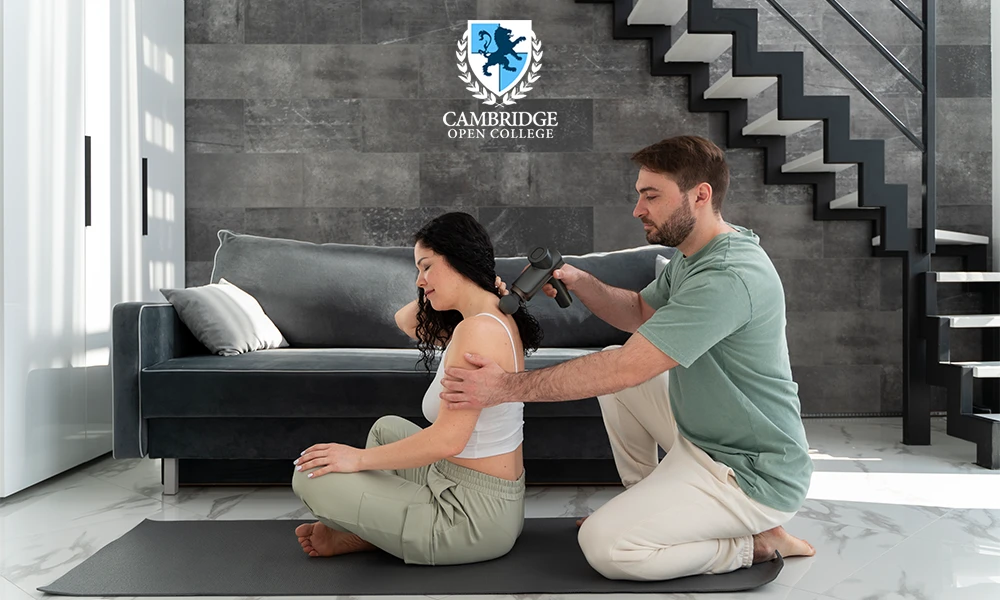
Beyond general beauty therapy, you can also find online massage courses, specialist skincare programmes, and courses that help you specialise in particular treatments. Many learning providers offer multiple courses that you can complete to build a comprehensive skillset.

Benefits of Studying Beauty Therapy from Home

Distance learning courses offer numerous advantages for aspiring beauty therapists. First, you can study in your own time, fitting lessons around work, family, or other responsibilities. There’s no need to commute to college or rearrange your entire schedule.

Second, home study is often more affordable than traditional classroom courses. Many providers offer payment plans, making professional training accessible to more people. You’ll also find some free online beauty courses with certificates, perfect if you’re on a tight budget or want to explore beauty therapy before investing in a full qualification.

Third, you receive personal tutor support throughout your journey. Your tutor is available to answer questions, provide feedback on assignments, and guide you through challenging topics. This one-to-one attention often exceeds what you’d get in a busy classroom.

Finally, online learning lets you progress at a pace that suits you. Quick learners can complete their course within a shorter timeframe, whilst others can take longer if needed without pressure.

What Does a Beauty Therapy Course Cover?

A comprehensive online beauty therapy course covers all the essential skills you need to become a beauty therapist. Course materials typically include both theory and practical elements.

Core Modules

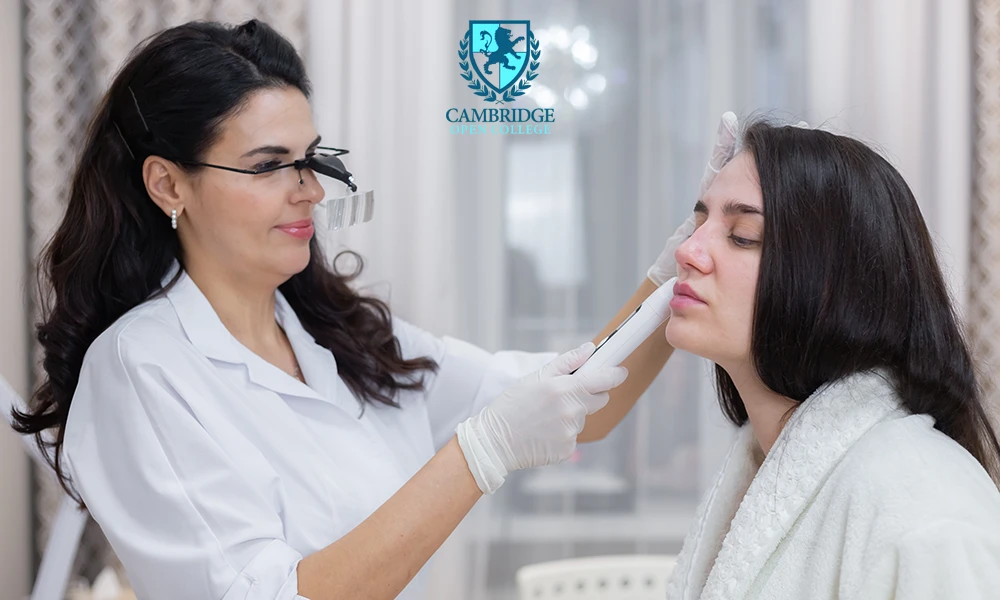
Most beauty therapy courses include training in facial treatments, teaching you about different skin types, skin analysis, and appropriate treatments for various concerns. You’ll learn professional techniques for cleansing, exfoliating, and moisturising.

Waxing is another crucial part of the course. You’ll study different waxing methods, health and safety procedures, and how to provide comfortable treatments for clients.

The course covers makeup application, showing you how to create various looks for different occasions. You’ll understand colour theory, face shapes, and professional makeup techniques.

Health and Safety

Understanding health and safety is vital in the beauty industry. Your course will cover hygiene practices, sterilisation procedures, client consultation, and how to work safely in a salon environment.

Business Skills

Many courses also include business modules, teaching you about working in a salon, building a mobile beauty business, or even visiting your clients in their homes. You’ll learn about client care, booking systems, and professional standards.

Entry Requirements for Beauty Courses

One of the best things about correspondence courses UK beauty therapy programmes is that entry requirements are usually minimal. Most courses welcome complete beginners with no previous experience.

You don’t typically need specific GCSEs or qualifications to enrol. As long as you’re enthusiastic about becoming a beauty therapist and committed to completing the course, you’re eligible to start.

Some providers set a minimum age of 16 or 18, but there are no upper age limits. Whether you’re a school leaver or considering a career change later in life, beauty therapy training is accessible to you.

Understanding Accreditation and Quality Standards

When choosing correspondence courses, accreditation is crucial. Look for courses that are fully accredited by recognised awarding bodies or regulated by Ofqual, the official qualifications regulator in England.

The Quality Licence Scheme provides accreditation for many online training programmes. QLS Level 2 qualifications are valued by employers and demonstrate you’ve completed a quality programme.

Courses are accredited when they meet specific standards for content, tutor qualifications, and assessment methods. Always check that your chosen learning provider offers courses that are fully accredited before enrolling.

Working with accredited training providers ensures you receive your certificate upon successful completion and that your qualification is recognised throughout the beauty industry.

Costs and Free Options

The correspondence courses UK beauty therapy cost varies significantly depending on the provider and qualification level.

Some training providers offer free online beauty courses with certificates UK, which are excellent for beginners wanting to test their interest before investing. However, free courses may have limited content or less comprehensive tutor support.

Most professional Level 2 qualifications cost between £200 and £800. This investment includes all learning materials, tutor feedback, assessments, and your certificate. Many providers offer payment plans, letting you spread the cost over several months.

When comparing costs, consider what’s included. Cheaper courses might seem attractive, but ensure they’re properly accredited and include adequate tutor support. Remember, you’re investing in your future career.

How Online Beauty Training Actually Works

How Online Beauty Training Actually Works

Starting an online beauty therapy course is straightforward. Once you enrol, you’ll receive access to your learning materials through an online platform. The programme typically includes written lessons, videos, diagrams, and practical demonstrations.

You’ll work through modules at your own pace, completing assignments and submitting them to your personal tutor. Your tutor provides detailed feedback, helping you improve and understand the material thoroughly.

For practical skills like facials and waxing, courses provide detailed instructions and videos. You’ll practice on friends or family members, documenting your work with photos or videos. Some courses require you to complete a certain number of practical hours.

The course works around your schedule completely. Study during lunch breaks, in the evenings, or on weekends – whatever suits your lifestyle. Most students complete the course within 3 to 12 months, depending on how much time they can dedicate.

Student support is available throughout. Whether you need clarification on course content or encouragement when things get challenging, your tutor and the provider’s support team are there to help.

Career Opportunities After Completion

Upon successful completion, numerous career paths open up. Many graduates work in a salon, starting as junior beauty therapists and progressing to senior positions. Salons, spas, hotels, and cruise ships all employ qualified beauty therapists.

Others prefer the flexibility of mobile beauty work, visiting your clients in their homes or workplaces. This option offers excellent work-life balance and the potential to build your own client base.

Some successful beauty therapists open their own salons or treatment rooms, whilst others work in complementary settings like gyms, hairdressers, or wellness centres.

Your Level 2 qualification also serves as a foundation for further training. You can specialise in advanced treatments, train in related fields like massage therapy or nail technology, or progress to Level 3 qualifications.

The beauty industry continues to grow, with strong demand for qualified professionals. A beauty therapy career offers job security, creativity, and the satisfaction of helping clients feel confident and pampered.

Choosing the Right Course Provider

With many options available, selecting the best correspondence courses UK beauty therapy programme requires research. Look for providers with positive reviews, transparent information about accreditation, and responsive student support.

Check what courses are completed by previous students and their success stories. Reputable learning providers proudly share graduate testimonials and career outcomes.

Ensure the tutor support offered meets your needs. Some students prefer quick email responses, whilst others value more detailed feedback. Understanding how your tutor is available helps set appropriate expectations.

Review what learning materials are included and whether the course covers everything you want to learn. Some programmes focus narrowly on specific treatments, whilst others provide comprehensive training across multiple beauty therapy areas.

Finally, confirm you receive your certificate promptly upon successful completion and that it’s from a recognised awarding body.

Conclusion

Correspondence courses in UK beauty therapy have transformed how people train for rewarding beauty careers. With flexible home study options, affordable costs including free courses, and fully accredited qualifications, there’s never been a better time to become a beauty therapist.

Whether you’re seeking a complete career change or want to add new skills to your portfolio, distance learning courses provide a practical pathway. With dedicated tutor support, quality course materials, and the ability to study in your own time, you can achieve your beauty therapy dreams without disrupting your current life.

Ready to start your beauty therapy journey? Explore our accredited Level 2 beauty therapy diploma and take the first step towards an exciting, creative career that brings confidence and beauty to clients every day.

Level 3 Childcare Qualification from Home: Your Complete Guide

Are you thinking about starting a career in childcare but worried about fitting study around your current commitments? A Level 3 childcare qualification from home could be the perfect solution. With flexible online learning, you can train to work with children whilst managing your family, job, or other responsibilities.

In this guide, we’ll explain everything you need to know about studying Level 3 childcare qualifications from the comfort of your own home.

What is a Level 3 Childcare Qualification?

What is a Level 3 Childcare Qualification

A Level 3 childcare qualification is a recognised professional qualification that prepares you to work with children and young people in various early years settings. These courses are equivalent to A-levels and are highly respected by employers across the UK.

The most popular Level 3 qualifications include the Focus Awards Level 3 Award in Childcare and Education, the Level 3 Diploma in Childcare Learning and Development, and specialist courses like the Level 3 Award in Preparing to Work in Home-Based Childcare.

These qualifications are accredited by awarding organisations and recognised by Ofsted and the Department for Education. When you complete your Level 3 childcare course, you’ll be qualified to work as an early years educator, childminder, nanny, or in various roles within the early years sector.

Can You Study Level 3 Childcare from Home?

Yes, you absolutely can! Modern distance learning courses have made it easier than ever to complete your Level 3 childcare qualification online from home. You don’t need to attend a physical classroom or college to gain a recognised qualification.

Online childcare courses let you study at your own pace, fitting your learning around work, family, and other commitments. You’ll receive the same high-quality education and support as traditional classroom learners, but with much more flexibility.

Most Level 3 childcare courses from home are completed through written assignments and practical assessments. You’ll have access to tutor support throughout your studies, and all course materials are provided online or by post.

Types of Level 3 Childcare Courses Available Online

There are several Level 3 childcare qualifications you can study from home, each designed for different career paths in the early years sector.

Level 3 Childcare Learning and Development

This comprehensive course covers all aspects of working with children from birth to seven years. You’ll learn about children’s learning and development, health and wellbeing, and how to create safe and stimulating environments for young learners. This qualification is ideal if you want to work in nurseries, pre-schools, or as an early years practitioner.

Level 3 Award in Preparing to Work in Home-Based Childcare

If you’re thinking about becoming a childminder or starting your own childcare business, this is the perfect qualification. The course focuses specifically on home-based childcare, covering everything from setting up your childminding business to meeting Ofsted requirements. You’ll learn about caring for children in a home environment and how to work effectively with parents.

Focus Awards Level 3 Diploma

The Focus Awards Level 3 Diploma for the Early Years Educator is one of the most recognised qualifications in the sector. This course allows you to qualify as an early years educator and count in staff ratios in early years settings. It’s a popular choice for those who want to work directly with young children in professional childcare environments.

Entry Requirements

Most Level 3 childcare courses have straightforward entry requirements. You’ll typically need to be at least 16 years old, though some providers may require you to be 18 or older.

You don’t always need previous qualifications to start a Level 3 course, but having a Level 2 childcare qualification can be helpful. Some learners start with basic childcare courses before progressing to Level 3.

Good literacy and numeracy skills are important, as you’ll need to complete written assignments throughout your course. If you’ve been out of education for a while, don’t worry – many distance learning providers offer additional support to help you succeed.

How Long Does It Take to Complete Level 3 Childcare?

How Long Does It Take to Complete Level 3 Childcare

The time it takes to complete your Level 3 childcare qualification from home depends on several factors, including which course you choose and how much time you can dedicate to studying each week.

On average, most learners complete their Level 3 childcare qualification within 12 to 18 months through distance learning. However, because you’re studying at your own pace, you might finish sooner if you can commit more time to your studies.

Some intensive courses can be completed in as little as 6 months if you’re able to study full-time from home. Others may take up to 24 months if you’re balancing work and family commitments. The flexibility of online learning means you can speed up or slow down based on your personal circumstances.

Benefits of Studying from Home

Studying for your Level 3 childcare qualification from home offers numerous advantages over traditional classroom-based learning.

Flexibility is perhaps the biggest benefit. You can study whenever it suits you – early morning, during nap times, or in the evening after work. There’s no need to travel to college or arrange childcare, which saves both time and money.

Home study courses are often more affordable than college-based programmes. You’ll save on travel costs, and many online providers offer flexible payment options to spread the cost over several months.

You’ll still receive excellent tutor support throughout your course. Most distance learning providers assign you a dedicated tutor who will mark your work, provide feedback, and answer any questions you have. Many also offer online forums where you can connect with other learners.

The comfort of learning in your own home means you can create the perfect study environment for you. Whether that’s at the kitchen table, in a quiet corner of your bedroom, or at the local library – you choose what works best.

Career Opportunities After Qualification

Completing your Level 3 childcare qualification from home opens up a range of exciting career opportunities in the early years sector.

As an early years educator, you could work in nurseries, pre-schools, or playgroups. Level 3 qualified practitioners are essential in these settings and can take on supervisory responsibilities. Many nursery managers and room leaders hold Level 3 qualifications.

If you’ve completed the award in preparing to work in home-based childcare, you’ll be ready to register as a professional childminder with Ofsted. You can run your own childminding business from home, setting your own hours and creating a nurturing environment for the children you care for.

Nannying is another popular career path for Level 3 qualified practitioners. Childcare qualifications for nannies are highly valued by families, and having a Level 3 qualification can lead to better employment opportunities and higher pay.

You might also consider roles such as play worker, nursery nurse, or early years practitioner. Some Level 3 graduates go on to specialise further, perhaps by training as a special educational needs teaching assistant or moving into education and training roles.

The skills you gain through your Level 3 childcare qualification – understanding child development, creating learning activities, and working with families – are valuable across many roles within the care and education sectors.

Getting Started with Your Course

Ready to begin your Level 3 childcare qualification from home? Here’s what you need to know about getting started.

First, research different course providers to find one that suits your needs. Look for providers offering accredited courses with good tutor support and flexible payment options. Check reviews from past students and make sure the qualification is recognised by relevant professional bodies.

Once you’ve chosen your course, the enrolment process is usually straightforward. You’ll need to complete an application form, provide proof of identity, and pay a deposit or set up a payment plan. Many providers offer online enrolment, making it quick and easy to get started.

When your course materials arrive, set aside some time to create a study plan. Think about when you’ll study each week and how you’ll balance your course with other commitments. Most successful distance learners set regular study times and stick to them as much as possible.

Remember that you’ll have tutor support throughout your studies. Don’t hesitate to ask questions or request help when you need it. Your tutor is there to guide you through the course and help you achieve your qualification.

If you’re interested in other education-related qualifications alongside your childcare studies, you might also consider courses like the Level 3 Award in Education and Training, which can complement your childcare knowledge.

Conclusion

A Level 3 childcare qualification from home is an excellent way to start or advance your career in the early years sector. With flexible online learning, dedicated tutor support, and recognised qualifications, you can train to work with children whilst managing your existing responsibilities.

Whether you want to become a childminder, work in a nursery, or pursue a career as a nanny, studying from home makes it possible to achieve your goals at your own pace. The demand for qualified early years practitioners continues to grow, making now a great time to invest in your childcare education.

Take the first step towards your new career today by exploring the childcare courses available and finding the right Level 3 qualification for you.

Accredited Health and Social Care Courses Online: Your Complete Training Guide

Thinking about a rewarding career in the care sector? Accredited health and social care courses online offer the perfect way to gain recognised qualifications whilst balancing work and family commitments. Whether you’re a career changer, a current care worker needing formal qualifications, or someone passionate about caring for others, online training provides flexible access to the skills and knowledge you need. These courses are delivered through distance learning, allowing you to study from home at your own pace. In this comprehensive guide, we’ll explore what makes courses accredited, the qualifications available, and how to choose the best health and social care courses online. Let’s discover how Cambridge Open College can support your journey into this fulfilling profession.

What Are Accredited Health and Social Care Courses Online?

What Are Accredited Health and Social Care Courses Online

Accredited health and social care courses online are qualifications that meet official standards set by recognised awarding bodies. Accreditation means the course has been reviewed and approved by organisations like Focus Awards, Ofqual, or the Quality Licence Scheme (QLS). These recognised qualifications are accepted by employers across the health and social care sector, making them essential for anyone wanting to work professionally in care settings.

The difference between accredited and non-accredited courses matters enormously. Accredited courses follow strict quality standards, ensuring you receive proper training that employers trust. Non-accredited courses might offer useful information, but they don’t provide the Ofqual regulated qualification that care employers require. When you complete an accredited course, you gain credentials that open career doors.

These courses use distance learning, which means all training happens online. You access learning materials through digital platforms, submit assignments electronically, and communicate with tutors remotely. This format offers incredible flexibility for working adults who can’t attend traditional classroom courses. The online distance learning model has become increasingly popular because it removes geographical barriers whilst maintaining high educational standards.

Health and social care qualifications are available at different levels. Level 2 certificates and diplomas provide entry-level training, Level 3 qualifications offer comprehensive professional development, and Level 4 courses deliver advanced specialist knowledge. Each level builds on the previous one, creating clear progression pathways for your career. Through supported open learning, you receive guidance whilst maintaining the flexibility to study around your commitments.

Types of Accredited Health and Social Care Qualifications

Level 2 Qualifications (Certificate and Diploma)

Level 2 qualifications provide foundational knowledge for people starting careers in care. The Focus Awards Level 2 Certificate in Understanding Health and Social Care introduces key concepts like safeguarding, person-centred care, and communication skills. This certificate typically takes 3-6 months to complete and suits anyone exploring whether care work is right for them.

The Level 2 Diploma in Health and Social Care offers more comprehensive training. This qualification covers broader topics and includes practical elements that prepare you for working directly with vulnerable people. Care workers in care homes, hospitals, and community settings often hold this diploma. It demonstrates to employers that you understand the fundamentals of providing quality care and can work safely within care settings.

Level 3 Qualifications (Certificate, Award, and Diploma)

Level 3 qualifications represent professional-level training. The Level 3 Award in Supporting Health and Social Care provides focused training in specific areas. This shorter qualification suits care workers wanting to develop particular skills without committing to a full diploma.

Level 4 and Specialist Courses

QLS Level 4 qualifications provide advanced training for experienced care professionals. These courses develop leadership skills, in-depth specialist knowledge, and prepare you for management positions within care services. Level 4 certificate courses suit social care workers who want to progress into senior or supervisory roles.

Benefits of Studying Health and Social Care Courses Online

Online learning transforms access to professional qualifications. You study from home, eliminating commuting time and costs. This flexibility means you can fit education around work shifts, family responsibilities, and other commitments. Whether you prefer studying early mornings or late evenings, the learning materials are available whenever suits you.

Distance learning provides the same quality education as classroom courses, often with better individual support. You receive dedicated tutor guidance, with tutors available to answer questions and provide feedback on assignments. This personalised tutor support often exceeds what’s possible in busy classroom environments. Many students find they learn more effectively through the range of online courses because they can work at their own pace.

Balancing work and study becomes manageable through online training. Current care workers can gain qualifications whilst continuing to earn. Career changers don’t need to quit jobs before retraining. This practical approach means you develop skills and knowledge without financial strain. The professional development you gain often leads to promotions or pay increases that quickly offset course costs.

Cost-effectiveness is another major advantage. Online courses typically cost less than classroom equivalents because providers don’t maintain expensive physical facilities. You also save on travel, parking, and time off work. For many students, these savings make the difference between accessing education or remaining unqualified. Our career development courses provide excellent value whilst delivering recognised qualifications.

Online health and social care training develops both practical skills and theoretical knowledge. You learn through videos, case studies, interactive activities, and written materials that bring care concepts to life. This varied approach suits different learning styles and helps you understand how theory applies in real care settings.

What You’ll Learn on Health and Social Care Courses

Health and social care courses cover essential knowledge that every care professional needs. Safeguarding vulnerable individuals forms a core component of all courses. You learn to recognise signs of abuse, understand your responsibilities in protecting people, and know how to report concerns properly. This safeguarding knowledge is fundamental to working safely in any care setting.

Person-centred care planning teaches you to develop support plans that respect individual preferences and choices. Rather than applying one-size-fits-all approaches, you learn to understand each person’s unique needs and provide care that promotes dignity and independence. This care planning skill distinguishes professional care workers from untrained assistants.

How to Choose the Best Accredited Health and Social Care Course Provider

How to Choose the Best Accredited Health and Social Care Course Provider

Selecting the right training provider significantly affects your learning experience and qualification value. Check accreditation credentials carefully. Reputable providers clearly display their approval from Focus Awards, Ofqual, or other recognised awarding bodies. These accreditations guarantee your qualification meets official standards and employers will recognise it.

Look for courses operating within the Regulated Qualifications Framework (RQF). RQF qualifications are quality-assured by Ofqual, England’s qualifications regulator. An Ofqual regulated qualification provides confidence that your training meets strict standards. If a provider can’t clearly demonstrate their accreditation, consider this a warning sign.

Tutor support quality separates excellent providers from mediocre ones. The best accredited health and social care courses online include dedicated personal tutors who provide unlimited support. Check whether tutors respond quickly to questions, offer detailed feedback on assignments, and genuinely care about student success. Reading student reviews reveals what current learners experience.

Start Your Health and Social Care Career Today

Accredited health and social care courses online provide accessible, flexible pathways into meaningful careers. You can gain recognised qualifications whilst continuing to work, studying from home at your own pace. The range of courses available—from Level 2 certificates through Level 3 diplomas to Level 4 advanced qualifications—means there’s a perfect option for your current situation and career goals.

Professional development through proper accredited training opens doors that would otherwise remain closed. Employers across the care sector require staff to hold recognised qualifications. By investing in your education through reputable providers offering Focus Awards, QLS, or Ofqual regulated courses, you gain credentials that launch or advance your career.

Starting a career in health and social care means joining a sector where you truly make a difference. Every day, you help vulnerable people live better lives. This rewarding work combines with genuine career progression opportunities, making care an excellent choice for anyone seeking purposeful employment.

Ready to explore your options? Browse our complete range of health and social care courses to find the qualification that matches your ambitions. Our experienced course advisors are available to answer questions and guide you towards the right choice for your circumstances. Contact Cambridge Open College today to discuss how accredited health and social care courses online can help you build the caring career you’ve always wanted. Your journey towards making a real difference starts here.

Distance Learning Teaching Assistant Course: Your Complete Guide to Online TA Training

Thinking about a career working with children in schools? A distance learning teaching assistant course could be your perfect route into this rewarding profession. Whether you’re working full-time, have family commitments, or simply prefer studying from home, online teaching assistant courses offer the flexibility you need. You can become a teaching assistant without attending a campus or disrupting your current lifestyle. In this guide, we’ll explain everything about distance learning TA courses, from qualifications available to costs and career opportunities. Let’s explore 6through flexible online learning with Cambridge Open College.

What Is a Distance Learning Teaching Assistant Course?

What Is a Distance Learning Teaching Assistant Course

A distance learning teaching assistant course allows you to train for a teaching assistant career entirely online. You study from home, access course materials through an online learning management system, and receive tutor support without ever visiting a classroom. This makes it ideal for working adults, parents, or anyone who needs flexibility.

Can you do a TA course online? Absolutely. Online teaching assistant courses are fully recognised and accredited by awarding bodies like Focus awards. Schools across the UK accept these qualifications because they meet the same standards as classroom-based courses. The difference is simply how you learn—not what you learn.

These courses use supported open learning, which means you work through modules at your own pace whilst receiving personal tutor support. You’ll access learning materials 24/7, submit assignments online, and communicate with your tutor whenever you need guidance. This flexibility is one of the biggest benefits of distance learning compared to classroom learning.

Teaching assistant qualifications come in different levels. Level 2 certificates provide entry-level knowledge, Level 3 diplomas offer comprehensive training for qualified teaching assistant roles, and Level 4 certificates prepare you for higher level teaching assistant positions. Each qualification builds on the previous one, creating a clear career pathway. Our online distance learning courses guide explains how these qualifications work in more detail.

Types of Teaching Assistant Qualifications Available Online

Level 2 Certificate in Supporting Teaching and Learning

This entry-level qualification introduces you to the teaching assistant role. It typically takes 6-9 months to complete when studying part-time. You’ll learn about child development, classroom support strategies, and how to help pupils with their learning. This Level 2 certificate in supporting teaching and learning is perfect if you have no experience and want to test whether this career suits you.

Many people search for a cache level 2 teaching assistant course online free, and whilst free taster courses exist, fully accredited qualifications require investment. However, the knowledge you gain makes you employable in schools, nurseries, and educational settings. Our Level 2 Teaching Assistant course provides everything you need to start your career.

Level 3 Diploma in Supporting Teaching and Learning in Schools

This is the most popular teaching assistant qualification. The Level 3 diploma in supporting teaching and learning in schools provides comprehensive training that schools actively seek when hiring. It covers classroom management, supporting literacy and numeracy, safeguarding children, and working with pupils who have special educational needs.

The  Level 3 diploma typically takes 9-12 months to complete through distance learning. You’ll gain a nationally recognised qualification that opens doors to permanent teaching assistant positions. Many schools prefer candidates with Level 3 qualifications because they demonstrate commitment and comprehensive knowledge. Our Level 3 Teaching Assistant qualification is fully accredited and includes full tutor support throughout your studies.

Level 3 Award in Supporting Teaching and Learning

If you want a shorter qualification, the Level 3 award in supporting teaching and learning offers focused training in specific areas. This award course typically takes 3-6 months to complete. It’s ideal if you already work in schools and want to enhance specific skills or if you’re looking for a quicker route to improving your CV. The 3 award in supporting teaching and learning provides valuable knowledge without the time commitment of a full diploma.

Level 4 Certificate for Higher Level Teaching Assistants

For experienced teaching assistants wanting to progress, the Level 4 certificate prepares you for higher level teaching assistant roles. These positions involve more responsibility, including planning lessons, leading small group sessions, and mentoring other TAs. The higher level teaching assistant qualification demonstrates advanced skills and opens opportunities for career progression and higher salaries.

You can explore all our education and training courses to find the qualification that matches your career goals. We also offer childcare courses if you’re interested in working with younger children.

Benefits of Distance Learning for Teaching Assistant Training

Distance learning transforms how you can train for your new career. You study at your own pace, which means if you understand a topic quickly, you move forward. If something needs more time, you can revisit materials without holding anyone back. This personalised approach suits adult learners who bring life experience to their studies.

There’s no need to travel to a campus or attend scheduled classes. You study from home during times that suit you—early mornings before work, evenings after children are in bed, or weekends. This flexibility makes distance learning perfect for people balancing work, family, and education. Many of our students continue working whilst studying, making this one of the best flexible online courses for working adults in the UK.

You’ll have access to a personal tutor who supports you throughout your course. Unlike large classroom courses where attention is divided, online learning often provides more one-to-one tutor support. Your tutor marks assignments, answers questions, and guides you through challenging topics. This individual attention helps you succeed.

Distance learning is often more cost-effective than classroom courses. You save on travel costs, parking, and time off work. The course fees themselves are typically lower because providers don’t need to maintain physical classrooms. For those wanting to enhance their career development through online courses, this affordability makes a real difference.

Perhaps most importantly, distance learning suits people with no experience. You don’t need previous qualifications or teaching experience to start. The course content builds from basics, and your tutor supports you every step. This makes online teaching assistant courses accessible to career changers from any background.

How Distance Learning Teaching Assistant Courses Work

How Distance Learning Teaching Assistant Courses Work

When you enrol on a distance learning teaching assistant course, you receive access to an online platform containing all your course materials. These include video lessons, written guides, activities, and resources. Everything is delivered online, so you can study anywhere with internet access. Some students study at home, others during lunch breaks at work, and some even whilst travelling.

How to become a teaching assistant with no experience online? Start with a Level 2 or Level 3 course that includes placement support. Your course provider will guide you in finding local schools that accept student placements. You’ll gain hands-on experience whilst studying, building confidence and practical skills. By the time you complete your qualification, you’ll have both the certificate and real classroom experience.

The typical time commitment is 5-10 hours per week for most courses. This includes reading materials, completing activities, writing assignments, and communicating with your tutor. The beauty of home study courses in the UK is that you control when those hours happen. Busy week at work? Study less. Quiet weekend? Study more. The learning environment adapts to your life.

Course content covers everything from child development theories to practical classroom strategies. You’ll learn about safeguarding, equality and diversity, supporting pupils with special educational needs, and helping children develop literacy and numeracy skills. The course gives you both theoretical knowledge and practical techniques you’ll use daily as a teaching assistant.

Course Costs and Funding Options

How much does a TA course cost? Prices vary depending on the qualification level and provider. Level 2 certificates typically range from £300-£500, whilst Level 3 diplomas cost between £500-£900. Level 4 certificates are usually £700-£1,200. These prices often include all course materials, tutor support, and your final certificate—there shouldn’t be hidden costs.

Many providers offer payment plans that spread costs over several months. This makes qualifications more affordable by breaking one large payment into smaller, manageable amounts. Check our course fees page for current pricing and payment options.

Can I do a teaching assistant course for free? Government funded teaching assistant courses online are available for eligible learners. If you’re unemployed, on certain benefits, or earning below a threshold, you might qualify for funding that covers part or all of your course fees. Government funded teaching assistant courses online free options do exist, but eligibility criteria apply. Contact course advisors to check whether you qualify for funding support.

Choosing the Right Teaching Assistant Course Provider

Accreditation matters enormously when choosing where to study. Look for courses accredited by Focus Awards, the leading awarding body for teaching assistant qualifications. These are fully accredited courses that schools recognise and trust. A cache accredited course ensures your qualification holds value when applying for jobs.

Quality tutor support separates excellent providers from average ones. You want experienced tutors who respond quickly, provide detailed feedback, and genuinely care about your success. Read student reviews to understand what current learners experience. Positive testimonials about tutor support indicate a provider who prioritises student success.

Course advisors should be available to answer questions before you enrol. They help you choose the right qualification for your goals, explain the course structure, and clarify any concerns. Good providers offer this guidance freely because they want you to make informed decisions. Our team at Cambridge Open College is always available to discuss which teaching assistant course suits your situation.

Start Your Teaching Assistant Journey Today

A distance learning teaching assistant course removes the barriers that might have prevented you from retraining. You can study from home, keep your current job, and gain a recognised qualification that schools actively seek. Whether you choose a Level 2 certificate to start your journey or a Level 3 diploma for comprehensive training, online learning makes it achievable.

The range of courses available means there’s a perfect option for your circumstances and goals. With full tutor support, flexible study schedules, and accredited qualifications, you have everything needed to become a qualified teaching assistant. Thousands of people just like you have successfully changed careers through distance learning—you can too.

Ready to explore your options? Browse our full range of teaching assistant and education courses to find the qualification that matches your ambitions. Our course advisors are here to answer questions and guide you towards the right choice. Contact us today to discuss how a distance learning teaching assistant course can transform your career and help you make a real difference in children’s lives.

Flexible Online Courses for Working Adults in the UK: Your Guide to Career Advancement

Balancing a full-time job with personal development can feel impossible. You want to advance your career, gain new skills, or change industries entirely, but traditional education doesn’t fit around work commitments. That’s where flexible online courses for working adults in the UK come in. These courses let you study at your own pace, earn recognised qualifications, and boost your career without leaving your job. In this guide, we’ll explore how distance learning works, what courses are available, and how you can fit studying into your busy schedule. Let’s discover why choosing the right provider makes all the difference.

What Are Flexible Online Courses for Working Adults?

Flexible online courses are designed specifically for busy professionals who need to balance work, family, and education. Unlike traditional classroom learning, these courses use a distance learning model that gives you complete control over when and where you study.

With supported open learning courses, you access learning materials online and work through modules at your own pace. There’s no need to attend lectures at set times or take time off work. Whether you prefer studying early mornings, evenings, or weekends, the flexibility is entirely yours.

These courses come in various formats. Short online courses can take just a few weeks to complete, whilst more comprehensive qualifications might span several months. Many programmes offer certificates or recognised qualifications, including Level 3 diplomas that are equivalent to A-levels. The beauty of flexible learning is that you’re never rushed—you progress when you’re ready.

Home study courses in the UK have become increasingly popular because they remove geographical barriers. You can access the same quality education from anywhere in the country, making them ideal for working adults who can’t commute to physical campuses. This makes online distance learning an accessible option for everyone.

Benefits of Flexible Online Learning for Working Professionals

Benefits of Flexible Online Learning for Working Professionals

Career Advancement Without Career Breaks

One of the biggest advantages is that you can enhance your professional development without leaving your current job. You’ll gain new skills and qualifications that make you more valuable to employers, potentially leading to promotions or salary increases. Many working adults use career development courses online to transition into new sectors or move up the career ladder.

Perfect Work-Life Balance

Flexible online courses fit around your existing commitments. You’re not sacrificing family time or weekends to attend classes. Instead, you create a study schedule that works for you. Whether you can dedicate five hours a week or fifteen, you’ll make steady progress towards your qualification.

Accredited and Recognised Qualifications

Quality matters when you’re investing time in education. Reputable providers offer accredited qualifications that employers recognise and value. These aren’t just completion certificates—they’re proper credentials that enhance your CV and open doors to new opportunities.

Cost-Effective Learning Options

Financial barriers shouldn’t prevent you from learning. Free courses online with certificates UK are available in many subjects, allowing you to gain knowledge without the hefty price tag. Whilst some free online courses for adults UK offer basic introductions, paid courses typically provide more comprehensive content, tutor support, and recognised qualifications.

Online business courses that let you study from home are particularly valuable for professionals wanting to improve their commercial understanding. Whether you’re aiming for management roles or starting your own venture, courses in business and commerce provide practical skills you can apply immediately in the workplace.

Types of Flexible Online Courses Available

Short Online Courses for Quick Skills

Which short-term course is best for a job? It depends on your career goals, but popular short courses include business administration, digital marketing, and health and social care. These typically run for 8-12 weeks and provide specific skills that employers value. A business admin course can open doors to office management roles, whilst social care qualifications meet growing sector demand.

Level 3 Qualifications

Level 3 courses are equivalent to A-levels and provide substantial knowledge in specialist subjects. They’re perfect for working adults who want recognised qualifications without committing to full degrees. Popular options include:

These qualifications typically take 6-12 months to complete when studying part-time, giving you flexibility whilst maintaining academic rigour.

Professional Development and Industry Training

Sector-specific training helps you stay current in your field. Whether you’re in healthcare, education, business, or social care, professional development courses keep your skills sharp and your knowledge up-to-date. Health and social care courses online are particularly sought-after as the sector continues growing across the UK.

Free vs Paid Courses

Free online courses with certificates exist, often covering introductory topics or taster sessions. Whilst these provide valuable knowledge, they typically lack the depth, tutor support, and recognised accreditation of paid courses. Paid programmes offer structured learning, expert tutors, comprehensive assessments, and qualifications that employers recognise—making them worthwhile investments in your future.

What is the easiest degree to get online in the UK? Whilst “easiest” is subjective, foundation degrees in business, health and social care, and education tend to be accessible for working adults because they build on practical experience and offer flexible study options.

How to Study Online While Working Full Time

How to Study Online While Working Full Time

Time Management Strategies

Can I study online while working full time? Absolutely. Thousands of working adults successfully complete online courses each year. The key is realistic planning. Most flexible courses recommend dedicating 5-10 hours a week to study, though you can adjust this based on your circumstances.

Start by identifying your most productive times. Some learners prefer early mornings before work, whilst others study during lunch breaks or evenings. Weekends might offer longer study sessions for tackling assignments or coursework.

Understanding Course Structure

Online courses typically divide content into manageable modules. You’ll work through learning materials—including videos, readings, and interactive content—before completing assessments that test your understanding. This structure means you can finish one module before moving to the next, creating clear milestones and achievement points.

Assessments vary by course but often include written assignments, multiple-choice tests, or practical projects. Some programmes require you to submit work monthly, whilst others let you progress at your own speed. Studying business and commerce courses from home often involves case studies and real-world business scenarios.

Tutor Support and Learning Materials

Quality course providers offer dedicated tutor support. You’ll have someone to answer questions, provide feedback on assignments, and guide your learning journey. Learning materials are available 24/7 through online platforms, meaning you can study whenever suits you best.

If you’re considering a career in education, learning how to become a teaching assistant in the UK requires understanding both the qualification requirements and the practical steps—something comprehensive courses cover thoroughly.

Managing Costs

Before enrolling, check course fees and explore payment options. Many providers offer monthly payment plans that make courses more affordable. Remember that investing in qualifications often leads to better job prospects and higher earnings, making it a worthwhile long-term investment.

Which course is best for online work from home? Digital skills courses, virtual assistance training, and online business management qualifications are excellent choices. These teach skills directly applicable to remote work whilst being delivered through flexible online learning.

Choosing the Right Course Provider

Accreditation and Recognition

Not all course providers are equal. Look for organisations offering accredited qualifications that employers and professional bodies recognise. Accreditation ensures the course meets quality standards and that your certificate holds genuine value in the job market.

Quality Tutor Support

Excellent tutors make the difference between struggling alone and succeeding confidently. Check whether providers offer one-to-one support, quick response times to questions, and constructive feedback on your work. Learning with us means having expert guidance throughout your journey.

Student Success and Reviews

Student reviews provide honest insights into course quality, tutor support, and overall experience. Look for providers with high completion rates and positive testimonials from working adults like yourself. Real students’ experiences reveal whether a provider truly delivers on their promises.

Understanding What’s Included

Before enrolling, ensure you understand what’s included in your course fee. Quality providers offer comprehensive learning materials, unlimited tutor support, assessment marking, and your final certificate—all included in one price with no hidden costs.

Learning more about the provider helps you make informed decisions. Established institutions with proven track records offer peace of mind that you’re investing wisely.

Conclusion: Take the Next Step in Your Career

Flexible online courses for working adults in the UK remove the barriers that traditionally prevented busy professionals from gaining qualifications. You can study at your own pace, fit learning around work and family commitments, and earn recognised certificates that boost your career prospects.

Whether you’re looking to advance in your current role, change careers entirely, or simply gain knowledge in subjects that interest you, flexible online learning makes it possible. The qualifications you earn become valuable additions to your CV and digital credentials that showcase your commitment to professional development.

Ready to start your learning journey? Explore all our courses to find the perfect programme for your goals. Our team is here to answer questions and guide you towards the right qualification. Contact us today to discover how flexible online learning can transform your career.

Beauty Courses UK: Your Complete Guide to Starting a Rewarding Career

Beauty courses offer a pathway into this exciting field, whether you’re just starting out or looking to add new skills to your repertoire. From nail technician training to advanced aesthetics, the range of beauty qualifications available across the UK means you can tailor your education to match your career goals.

This comprehensive guide explores everything you need to know about beauty courses, including the different types of training available, which qualifications are most valuable, and how to choose the right course for your ambitions. Whether you’re interested in working in a busy salon, becoming a mobile beauty therapist, or opening your own beauty business, understanding your training options is the first step towards success.

Understanding Beauty Courses in the UK

Beauty courses in the UK are structured around different qualification levels, each designed to build your skills progressively. The most common starting point is Level 2 beauty therapy, which provides foundational knowledge in essential beauty treatments. This covers practical skills like facials, manicures, pedicures, waxing, and basic makeup application.

As you progress, Level 3 beauty therapy expands your expertise to include advanced facial treatments, massage techniques, and more complex beauty procedures. Level 4 qualifications and specialist courses focus on specific treatments or business management skills. These higher levels often require you to complete lower level qualifications first, building a solid foundation of knowledge.

What is the Best Beauty Course to Take?

Choosing the best beauty course depends entirely on your personal circumstances and career goals. For complete beginners with no previous experience in the beauty industry, starting with Level 2 beauty therapy provides the broadest foundation. This qualification teaches you multiple treatments, helping you discover which areas you enjoy most before specialising further. If you already know which area of beauty interests you most, targeted training in that specialism might be more appropriate. Someone passionate about nails might go straight into comprehensive nail courses rather than general beauty therapy. Similarly, if massage therapy appeals to you, specific massage course training could be the right starting point.

Beauty Courses for Beginners

Starting your journey in beauty can feel overwhelming, but Level 2 beauty therapy courses are specifically designed for beginners. You don’t need any previous qualifications or experience to enrol, making these courses accessible to anyone with enthusiasm and commitment. The training covers fundamental skills that form the basis of all beauty work.

During Level 2 beauty therapy, you’ll learn about health and safety in the salon environment, client consultation techniques, and professional conduct. Practical modules teach you how to perform facials, apply makeup, conduct manicures and pedicures, and carry out various waxing treatments. You’ll also study the theory behind these treatments, learning about skin anatomy, contra-indications, and hygiene practices.

Advanced Beauty Courses

Once you’ve established yourself with Level 2 beauty therapy, Level 3 qualifications take your expertise to the next level. These advanced courses build on your existing knowledge, introducing more complex treatments and deeper theoretical understanding. You’ll learn advanced facial techniques, electrical treatments, and specialised body therapies. Level 3 beauty therapy often includes aromatherapy massage, hot stone treatments, and sophisticated skincare protocols. The theoretical components cover skin conditions in greater detail, teaching you how to analyse skin effectively and recommend appropriate treatment plans. This level of qualification opens doors to senior therapist positions and management roles within salons.

Most Profitable Beauty Courses

If earning potential is a key consideration, certain beauty courses lead to more lucrative careers than others. Advanced aesthetics training, including treatments like fat dissolving and skin rejuvenation, typically commands the highest fees per treatment. Clients seeking these services are often willing to pay premium prices for qualified practitioners.

Microblading and semi-permanent makeup courses also offer excellent earning potential. These treatments provide long-lasting results that clients value highly, allowing practitioners to charge accordingly. A skilled microblading artist can earn substantial income from relatively few appointments each week, especially once they’ve built a reputation for quality work.

Online Beauty Courses vs Classroom Training

The growth of online beauty courses has transformed access to professional training. Distance learning allows you to study theory at your own pace, fitting education around work and family commitments. This flexibility particularly benefits those who can’t easily travel to training centres or need to maintain income whilst qualifying.

Online courses typically deliver theoretical content through video tutorials, written materials, and online assessments. You can revisit complex topics as many times as needed, learning at a speed that suits you. This approach works especially well for subjects like anatomy, health and safety, and client consultation skills.

Accredited Beauty Training: Why It Matters

Working in the beauty industry requires professional insurance, and insurers typically insist on accredited qualifications. Focus Awards accreditation is recognised across the beauty sector, giving employers and clients confidence in your training standards. Without proper accreditation, you might struggle to secure insurance or employment in reputable establishments.

Accredited training ensures the course curriculum meets industry standards and prepares you thoroughly for professional practice. Awarding bodies regularly review course content to keep it current with industry developments and best practices. This means your qualification remains relevant and valuable throughout your career.

Starting Your Career as a Beauty Therapist

The path from newly qualified to established beauty therapist involves gaining practical experience and building confidence in your skills. Many therapists begin by working in busy salons where they can practice various treatments daily. This environment accelerates your learning as you encounter different clients and treatment scenarios.

Working in an established salon provides mentorship opportunities too. More experienced therapists can offer guidance, share techniques, and help you develop your professional approach. The structure of salon employment removes concerns about finding clients or managing business administration whilst you’re still building confidence.

Choosing the Right Beauty Training Provider

The quality of your training significantly impacts your future success as a beauty therapist. When researching beauty courses, look beyond price to consider what’s included in the programme. Comprehensive course materials, responsive tutor support, and adequate practical training all contribute to valuable education.

Check that course providers offer accredited qualifications from recognised awarding bodies. Ask about pass rates and whether they provide support if you need to retake assessments. Understanding exactly what you’re paying for helps you make informed comparisons between different training options.

How to Get Started with Beauty Courses

Taking the first step towards a beauty career begins with honest assessment of your goals and circumstances. Think about which aspects of beauty work appeal to you most. Are you drawn to the artistic elements of makeup and nail design? Do you enjoy the therapeutic aspects of massage and skincare? Understanding your interests helps you choose appropriate training.

Consider your available time and budget realistically. Course duration varies significantly between qualifications. Level 2 beauty therapy courses typically take several months to complete when studying part-time, whilst specialist short courses might be completed in weeks. Match your course choice to the time you can genuinely commit to studying and practicing.

Frequently Asked Questions

What qualifications do I need to start beauty courses?

For Level 2 beauty therapy courses, you typically don’t need any formal qualifications to begin. Most course providers simply require you to be at least 16 years old and have genuine enthusiasm for the beauty industry.

How long do beauty courses take to complete?

Course duration varies depending on the level and whether you’re studying full-time or part-time. Level 2 beauty therapy courses typically take 6-9 months when studied part-time alongside work. Intensive full-time programmes might be completed in 3-4 months.

Can I study beauty courses online?

Yes, many beauty courses are now available through online learning platforms. Online beauty courses deliver theoretical content through video lessons, written materials, and online assessments that you complete at your own pace.

What’s the difference between Level 2 and Level 3 beauty therapy?

Level 2 beauty therapy provides foundational training in essential treatments like facials, manicures, pedicures, waxing, and makeup application. It’s designed for beginners with no previous experience.

Do I need insurance to work as a beauty therapist?

Yes, professional insurance is essential for anyone providing beauty treatments. Public liability insurance protects you if a client is injured in your premises or by your equipment.

Which beauty treatments are most in demand?

Nail services, particularly gel polish and gel extensions, consistently remain highly popular across the UK. Lash treatments including extensions and lash lifts are also in high demand. Advanced skincare treatments like chemical peels and micro needling attract clients seeking anti-ageing solutions.

Can I work from home after completing beauty courses?

Many beauty therapists successfully operate from home-based salons after qualifying. You’ll need to ensure your home meets local council regulations for business use, which typically includes appropriate insurance, health and safety standards, and sometimes planning permission.

HLTA Home Study Courses: Your Path to Becoming a Higher Level Teaching Assistant

Are you working as a teaching assistant and ready to take the next step in your career? HLTA home study courses offer a flexible and practical way to gain the qualifications you need whilst continuing to work in your current role. With the demand for skilled higher level teaching assistants growing across UK schools, now is the perfect time to invest in your professional development.

This comprehensive guide will walk you through everything you need to know about HLTA home study courses, from entry requirements and course content to career benefits and how to choose the right programme for you. Whether you’re looking for an hlta course online or want to understand what qualifications you’ll need, we’ve got you covered.

What is a HLTA Home Study Course?

A HLTA home study course is a flexible online training programme that prepares teaching assistants to achieve Higher Level Teaching Assistant status. The qualification is officially known as the Level 4 Certificate for Higher Level Teaching Assistant, and it’s recognised across England, Wales, and Northern Ireland.

Most HLTA home study courses are accredited by Focus Awards, which ensures the qualification meets national standards. The Focus Awards Level 4 Certificate demonstrates that you’ve developed the skills and knowledge needed to take on greater responsibilities in the classroom, including planning and delivering learning activities under the direction of a teacher.

Unlike traditional classroom-based training, a higher level teaching assistant course delivered through home study allows you to complete your learning around your existing work and family commitments. You’ll access course materials online, submit assignments electronically, and receive support from experienced tutors without needing to attend physical classes.

Why Choose Online HLTA Home Study Courses?
Why Choose Online HLTA Home Study Courses

The flexibility of online learning has made HLTA home study courses increasingly popular among teaching assistants. When you study at your own pace, you can fit your coursework around school terms, childcare arrangements, and other personal responsibilities.

Most teaching assistants who choose home study continue working full-time whilst completing their qualification. This means you can immediately apply what you’re learning in your daily role, making the course content more relevant and easier to understand. Your workplace becomes your learning environment, which is particularly valuable for the practical elements of the course.

Access to online tutors is another significant benefit. Your assigned tutor will provide feedback on your assignments, answer questions, and guide you through challenging topics. Many learners find this one-to-one support more valuable than large classroom settings where individual attention can be limited.

Cost is another consideration. Online courses often have lower fees than classroom-based alternatives because there are no venue costs or travel expenses. This makes professional development more accessible to teaching assistants at all stages of their careers.

Entry Requirements for HLTA Courses

Before enrolling in HLTA home study courses, you’ll need to meet certain entry requirements. These ensure you have the foundation knowledge and experience to succeed in the Level 4 qualification.

You must hold a minimum of Level 2 qualifications in both literacy and numeracy. These are typically GCSEs at grade C/4 or above in English and Maths, though equivalent qualifications are also accepted. If you don’t currently hold these qualifications, you may need to complete them before starting your HLTA course.

Experience working with children in an educational setting is essential. Most course providers, including Cambridge Open College, require learners to be employed as teaching assistants or in a similar role where they regularly support teaching and learning. This ensures you can complete the practical elements of the course and gather the evidence needed for assessment.

Some teaching assistants will have already completed a Level 3 teaching assistant qualification before progressing to Level 4. Whilst this isn’t always mandatory, having Level 3 can provide a strong foundation for the higher level teaching assistant course content.

What You’ll Learn in a HLTA Course

The course content for HLTA home study courses is based on the national HLTA standards, which outline the professional knowledge, understanding, and skills required for the role. You’ll develop expertise in supporting teaching and learning across different subjects and age groups.

Key areas covered include planning and preparing learning activities, assessing pupil progress, managing behaviour, and working effectively with teachers and other professionals. You’ll learn how to adapt your approach for pupils with different needs and abilities, including those with special educational needs and disabilities.

The Level 4 HLTA course also focuses on safeguarding, understanding child development, and promoting positive relationships in the classroom. You’ll explore how literacy and numeracy skills underpin learning across the curriculum and how you can support pupils in developing these essential competencies.

Assessment methods typically include written assignments where you demonstrate your understanding of theory, along with practical observations in your workplace. Your online tutor will guide you through each assessment, explaining what’s expected and providing feedback to help you improve.

How to Choose the Best HLTA Home Study Course

With several providers offering teaching assistant courses at Level 4, choosing the best HLTA home study course requires careful consideration. Start by checking that the course is accredited by a recognised awarding body such as Focus Awards. This ensures your qualification will be accepted by schools and local authorities.

Look at what’s included in the course materials. Quality providers offer comprehensive resources including detailed course notes, example assignments, and additional reading materials. You should have access to your course content online whenever you need it, allowing you to study at times that suit you.

Tutor support is crucial for success. Ask about how quickly tutors respond to queries, how feedback is provided on assignments, and whether you’ll have a dedicated tutor throughout your studies. Good communication with your tutor can make the difference between struggling and thriving on your course.

Consider the course fees and what payment options are available. Whilst HLTA home study courses require investment, many providers offer payment plans to spread the cost. Check whether your employer might contribute towards your training, as many schools support staff development for teaching assistants who wish to progress.

Student reviews and success rates can provide insight into course quality. Look for testimonials from experienced teaching assistants who have completed the course and achieved their HLTA qualification.

Free vs Paid HLTA Courses

You may have seen references to hlta home study courses online free or free hlta course options. It’s important to understand what these actually offer compared to paid, certificated programmes.

Some websites provide free information and resources about HLTA standards and the role of higher level teaching assistants. These can be useful for learning about the profession, but they don’t provide a recognised qualification. You won’t receive the Level 4 Certificate for Higher Level Teaching Assistant through free resources alone.

The Open University and some other institutions occasionally offer free short courses related to education and teaching assistance. However, these are typically introductory courses rather than the full HLTA qualification. Whilst they can support your professional development, they won’t give you HLTA status.

Investing in a properly accredited HLTA course online with certificate is essential if you want to progress your career and potentially increase your salary. The qualification demonstrates to employers that you’ve met national standards and have the competence to work at a higher level.

Think of the course fees as an investment in your future earning potential. Higher level teaching assistants typically earn more than standard teaching assistants, so the qualification can pay for itself over time through increased salary.

How Long Does a HLTA Course Take?

One of the most common questions about HLTA home study courses is about completion time. The answer varies depending on how much time you can dedicate to your studies each week.

Most teaching assistants complete their Level 4 HLTA course within 9 to 12 months when studying part-time. This assumes you’re spending approximately 4-6 hours per week on coursework, including reading materials, completing assignments, and preparing for assessments.

The beauty of home study is that you truly can study at your own pace. If you have more time available during school holidays, you might progress more quickly during those periods and slow down during busy term times. Flexible online learning adapts to your schedule rather than forcing you to adapt to fixed class times.

Some factors can affect how long it takes to complete the course. If you’re confident with academic writing and familiar with educational theory from previous qualifications, you may find assignments easier to complete. Your workplace support matters too – teaching assistants whose schools actively support their HLTA preparation often progress more smoothly.

Remember that the course isn’t just about getting through assignments quickly. Taking time to really understand the course content and reflect on your practice will make you a better higher level teaching assistant in the long run.

Career Benefits of HLTA Qualification

Achieving your HLTA qualification opens up new opportunities in your teaching assistant career. Many schools specifically look for qualified higher level teaching assistants when recruiting for senior support staff positions.

The higher level teaching assistant role comes with increased responsibilities and, typically, higher pay. Whilst salaries vary by region and school, HLTA-qualified staff often earn £2,000-£5,000 more per year than unqualified teaching assistants. Over the course of your career, this represents a significant return on your course investment.

Beyond salary, HLTA status brings greater job satisfaction for many teaching assistants. You’ll have more autonomy in the classroom, take on leadership responsibilities, and play a more active role in pupils’ learning. Some higher level teaching assistants cover classes during teacher absences, plan and deliver interventions, or mentor other support staff.

The qualification also provides a foundation if you’re considering becoming a teacher in the future. Whilst HLTA status alone doesn’t qualify you to teach, it demonstrates your commitment to education and gives you valuable experience that strengthens teaching training applications.

Getting Started with Your HLTA Home Study Course

Ready to begin your journey towards becoming a higher level teaching assistant? Starting your HLTA training course is straightforward when you know what to expect.

First, ensure you meet the entry requirements we discussed earlier. If you’re missing any qualifications, speak to course advisors about completing these first. Cambridge Open College can provide guidance on the best route for your individual circumstances.

When you enrol in the Level 4 Certificate for Higher Level Teaching Assistant, you’ll receive access to your course materials and be assigned an online tutor. Take time to familiarise yourself with how the course works, including how to submit assignments and contact your tutor with questions.

Speak with your school about your HLTA preparation. Your headteacher or line manager needs to support your studies by allowing you opportunities to demonstrate the competencies required. Some schools provide dedicated time for HLTA candidates to work on their assignments.

Set up a realistic study schedule that fits around your other commitments. Consistency matters more than long study sessions studying for an hour three times per week is often more effective than cramming for three hours once a week.

Join online communities where other teaching assistants share their experiences of studying for HLTA. Learning from others who are on the same journey can provide motivation and practical tips for success.

Frequently Asked Questions

Can you do a HLTA course online?

Yes, you can complete a HLTA course entirely online through home study. Online HLTA home study courses provide all the training and assessment you need to gain your Level 4 Certificate for Higher Level Teaching Assistant without attending classroom sessions.

What qualifications do I need to do a HLTA course?

You need a minimum of Level 2 in literacy and numeracy and experience working as a teaching assistant or in a similar role supporting children’s learning in an educational setting.

Which is the best HLTA course?

The best HLTA course is one that’s accredited by Focus Awards or another recognised awarding body, offers comprehensive tutor support, provides flexible online learning, and fits your budget. Cambridge Open College offers Focus Awards-accredited courses with dedicated tutor support throughout your studies.

How long does it take to complete a HLTA course?

Most teaching assistants complete their HLTA qualification in 9-12 months when studying part-time alongside work. The exact duration depends on how much time you can dedicate to your studies each week and your pace of learning.

Do I need to be working in a school to do a HLTA course?

Yes, you need to be employed in a school or educational setting where you’re working as a teaching assistant. This is essential because you’ll need to demonstrate your competencies in a real classroom environment as part of the course assessment.

Will my school support me through the HLTA course?

Many schools actively support teaching assistants who want to gain HLTA qualification. Speak with your headteacher about your plans  they may provide time for observations, help with evidence gathering, or even contribute towards course fees.

Level 3 Beauty Therapy Course: Your Guide to Becoming a Qualified Beauty Therapist

Are you thinking about a career in the beauty industry? A Level 3 beauty therapy course might be exactly what you need. This qualification opens doors to working in salons, spas, and health clubs across the UK. Whether you want to work for yourself or in a busy salon, a Level 3 beauty therapy course gives you the knowledge and skills that employers are looking for.

Many people start their journey in beauty therapy with a Level 2 qualification. Then they progress to Level 3 to learn advanced beauty treatments and become a fully qualified beauty therapist. This article explains everything you need to know about Level 3 beauty therapy courses, including online options, costs, and how long they take.

What Is a Level 3 Beauty Therapy Course?

A Level 3 beauty therapy course is a vocational qualification that teaches you advanced beauty treatments and therapy techniques. It’s more advanced than a Level 2 beauty therapy course. When you complete it, you become a qualified beauty therapist who can work in the professional beauty sector.

Level 3 is a nationally recognised qualification in the UK. It’s a diploma in beauty therapy that shows clients and employers you have proper training. The course covers everything from facial and body treatments to massage techniques and electrical treatments. You’ll also learn about health and safety, client care and communication, and salon management basics.

This level 3 beauty therapy course is perfect for people who want a career in the beauty industry. Whether you work in a busy salon, a spa, health clubs, or even set up your own business, this qualification is highly sought after. Many employers now ask for at least a Level 3 qualification before they’ll hire you as a beauty therapist.

How Long Is a Level 3 Beauty Therapy Course?

The course duration varies depending on how you study. A full-time level 3 beauty therapy course usually takes between 8 to 12 weeks if you study full-time. If you study part-time while working, it might take 6 to 12 months.

Some training providers offer a fast track option. A level 3 beauty therapy fast track course lets you complete your qualification more quickly. These courses are intensive, which means you study for longer hours each day, but you finish sooner. Fast track courses are good if you want to start your career quickly or you already have some beauty therapy experience.

The course duration also depends on how much experience you already have. If you’ve already completed a Level 2 beauty therapy qualification, you might progress faster. If this is your first qualification in beauty therapy, you might need more time to learn all the skills and knowledge.

Most courses combine classroom learning with practical work on real clients. This takes time because you need to practice each technique over and over until you’re good at it. You also need to understand the theory behind what you’re doing, not just memorise facts. This is why most courses take at least two to three months, even when studying intensively.

Level 3 In Beauty Therapy Course Online: Study Flexibility
Level 3 In Beauty Therapy Course Online

If you work full-time or have family responsibilities, a level 3 in beauty therapy course online might be perfect for you. Online courses let you study when you want, and you can fit learning around your life.

However, it’s important to understand that you can’t do all parts of beauty therapy online. You can do the theory and knowledge parts online. You can watch videos showing techniques, and you can learn about health and safety and client care online. But you need to practice the practical skills in person.

Most online courses combine online learning with some in-person sessions. You might watch videos and read materials from home, but you’ll still need to come to a training centre to practice on real clients. This is because a therapist needs real hands-on experience, not just video learning.

A level 3 in beauty therapy course online is great for flexibility. You can study the theory at your own pace, then come to practical sessions on set days. This is less demanding than full-time study, but it means the course takes longer. You might do the online theory over several months, with practical sessions every week or every two weeks.

Getting Started With Your Level 3 Beauty Therapy Qualification

Ready to start? Here’s what you need to do. First, decide whether you want to study full-time, part-time, online, or fast track. Think about what fits your life best.

Next, search for training providers that offer the type of course you want. Get course dates, costs, and information about what’s included. Ask about the tutors and their experience. Find out how much practical training you’ll get on real clients.

Check the entry requirements. Most courses ask that you have Level 2 or some experience in beauty or related work. If you don’t have this, ask if you can do a Level 2 course first.

Apply for the course. Most training providers can start you within a few weeks. They’ll probably ask you to fill in an application form and might interview you. Be ready to explain why you want to do the course and what you hope to achieve.

Once you start, work hard on both the theory and the practical skills. You need to understand the knowledge behind what you’re doing, not just memorise facts. You also need to practice your practical skills on real clients over and over until you’re confident and skilled.

When you finish, you’ll have a nationally recognised Level 3 qualification. This opens doors to a career in the beauty industry. Whether you want to work in a salon, set up your own business, or progress to a Level 4 qualification, your Level 3 diploma in beauty therapy is your foundation.

Why Choose Cambridge Open College for Your Beauty Therapy Training?

Cambridge Open College is a leading provider of beauty therapy courses in the UK. We offer NVQ Level 3 beauty therapy courses and level 3 diploma qualifications that are recognised everywhere.

Our experienced staff understand what employers want. They know the practical skills and knowledge you need to succeed as a beauty therapist. We offer both full-time and part-time courses, and we have online options too. We can offer fast track courses if you need to finish quickly.

Our course costs are competitive, and we offer payment plans to help spread the cost. We believe that everyone should be able to afford to train in a career they love. We’re also flexible about entry requirements. If you haven’t got a Level 2 qualification yet, we can discuss your options with you.

When you study with Cambridge Open College, you get excellent support from experienced tutors. You’ll practice your skills on real clients in our training centre, so you get the hands-on experience you need. We also help you think about your career after you finish the course.

Internal Quality Assurance Courses: Your Complete UK Guide to IQA Training

If you work in education, training, or assessment, you might have heard about internal quality assurance. But what exactly is it, and why should you care about getting an IQA qualification? Whether you’re looking for internal quality assurance courses near London, Manchester, or online options, this guide will help you understand everything you need to know about becoming an internal quality assurer.

What Are Internal Quality Assurance Courses?

Internal quality assurance courses teach you how to check and maintain quality in training and assessment. When organisations deliver training or run assessment programmes, they need someone to make sure everything meets the right standards. That’s where an internal quality assurer comes in.

Internal quality assurance is about looking at assessment processes and practice. You’ll learn how to review the work of assessors, check that learners are being assessed fairly, and make sure that the organisation meets all the required standards. These courses cover the principles and practices of quality assurance, and they help you understand the role of an internal quality assurer in any training organisation.

An internal quality assurer works alongside assessors and tutors to keep standards high. You might check assessment papers, observe assessors at work, or give feedback to help them improve. It’s about supporting the quality of training and assessments across your organisation.

Why Choose an IQA Qualification?

Why Choose an IQA Qualification

Getting an IQA qualification shows that you have the knowledge and skills to do this job properly. Many organisations now require their internal quality assurers to hold a formal qualification. This makes you more valuable to employers and opens up career opportunities.

An IQA qualification also gives you confidence. You’ll understand the legal requirements, the best practices, and how to handle common problems. You’ll know exactly what to look for when carrying out assessments review, and you’ll be able to give useful feedback to your team.

If you’re already working in training or assessment, an IQA course will help you do your job better. If you’re thinking about moving into this area, a qualification will give you the skills employers are looking for. Quality assurance is an important part of any training provider’s work, so there’s always demand for trained IQAs.

Level 4 Award in Understanding the Internal Quality Assurance of Assessment Processes

The most popular qualification for internal quality assurers is the Level 4 Award in Understanding the Internal Quality Assurance of Assessment Processes. This is a nationally accredited qualification that’s recognised across the UK.

This level 4 award covers everything you need to know about your role as an internal quality assurer. You’ll learn about assessment processes and practice, how to quality assure different types of assessment, and how to support assessors. The award in understanding the internal quality assurance of assessment processes is offered by several awarding organisations.

The Level 4 Award is suitable for anyone who works in training or assessment and wants to move into a quality assurance role. It’s also perfect if you’re already doing this job but want a formal qualification. Many training organisations now ask their staff to hold this level 4 award.

Some training providers offer a Level 3 Certificate in Assessing Vocational Achievement as a stepping stone before the Level 4. This helps you understand assessment before you move into quality assurance. The level 3 certificate in assessing vocational achievement covers the basics, and then the level 4 builds on that knowledge.

The Highfield Level 4 Award is one option you can choose. This is a well-known qualification that many employers recognise. It’s delivered by training providers across the UK, and it’s part of the RQF (Regulated Qualifications Framework), which means it meets national standards.

Internal Quality Assurance Courses Near You: London, Manchester, and Beyond

Finding the right course near where you live is important. If you’re looking for internal quality assurance courses near London, you’ll find lots of options. London has many training providers who offer this qualification, both in-person and online.

If you’re based in Manchester, there are also plenty of internal quality assurance courses near Manchester available. Many training organisations in the North West deliver quality assurance courses, so you shouldn’t have to travel far.

The good news is that you don’t have to study near your home. Many providers now offer internal quality assurance courses online. A level 4 IQA course online gives you the flexibility to study when it suits you. You can work through the course at your own pace and fit it around your job.

Online learning is becoming more popular because it’s convenient. If you choose internal quality assurance courses online, you can access your learning materials whenever you want. You can study in the evening, at weekends, or during your lunch break. This makes it much easier to fit the course around your other responsibilities.

The best internal quality assurance courses will give you access to tutors who can answer your questions. Look for providers who offer good support and regular contact with your tutor. This makes a big difference to your learning experience.

How Much Do IQA Courses Cost?

The cost of IQA courses varies depending on the provider and the type of course. Most Level 4 Awards cost between £400 and £800. Some providers charge more, and some charge less, so it’s worth shopping around.

If you’re worried about the IQA qualification cost, there are options. Some training providers offer payment plans so you can spread the cost. Others might offer discounts if you’re booking for a group from your organisation.

When you’re looking at IQA qualification cost, remember to think about the value. A good course will give you the knowledge and skills you need to do your job well. This can help you progress in your career and earn more money, so it’s an investment in your future.

Why Choose Cambridge Open College for Your IQA Training?

Cambridge Open College is a leading provider of quality assurance qualifications in the UK. We offer IQA training courses that are accredited and recognised by employers. Our tutors are experienced in quality assurance, and they understand the real challenges you face in your role.

We deliver internal quality assurance courses both online and in-person, so you can choose what suits you. Our courses are affordable, and we offer payment plans to help spread the cost. We also provide excellent support to all our learners, with regular tutor contact and quick answers to your questions.

When you study with Cambridge Open College, you’re investing in your future. Our IQA qualification will help you do your job better, progress to lead roles, and earn more money. We’re committed to helping you succeed.

Conclusion

Internal quality assurance is an important role in any training organisation. If you work in training or assessment, an IQA qualification can really help your career. Here’s what you’ve learned:

Internal quality assurance courses teach you how to check and maintain quality in assessment. The Level 4 Award is the main qualification you need. You can study online or in-person, near London, Manchester, or anywhere in the UK. Courses usually cost between £400 and £800, but some free resources are available. You don’t need lots of qualifications to start, but some training experience helps. IQAs earn between £24,000 and £35,000 per year on average, with scope to earn more. With the right course and support, you can build a good career in quality assurance.

Ready to take the next step? Contact Cambridge Open College today to find out about our IQA training courses. Whether you’re looking for online courses, in-person training, or something flexible that fits around your life, we have options for you. Get started with your internal quality assurance qualification today.

Early Years Foundation Stage Course: Complete Guide to EYFS Training and Development

If you work with young children or are thinking about a career in childcare, an Early Years Foundation Stage course can help you develop the knowledge and skills you need. Whether you’re a nursery worker, childminder, or completely new to early years, an EYFS course will teach you how to support children’s development properly.

In this guide, we’ll explain what an Early Years Foundation Stage course is, who needs it, what you’ll learn, and how it can help your career in the early years sector. We’ll also look at online options, different qualification levels, and how to get started with your training.

What is Early Years Foundation Stage (EYFS)?

Early Years Foundation Stage, or EYFS, is the official framework that guides early years settings in England. It sets out what childcare providers, nurseries, and schools should do to help young children learn and develop well.

EYFS applies to all early years settings, including nurseries, childminders, reception classes, and pre-schools. The framework focuses on how children learn through play and exploration. It covers children from birth until the end of reception class. Early years providers use EYFS to plan activities, assess children’s progress, and support each child’s development.

Why Take an Early Years Foundation Stage Course?

If you work in early years or want to start working with young children, there are several good reasons to take an EYFS course.

Professional Knowledge and Skills

An Early Years Foundation Stage training course gives you professional knowledge about how young children develop. You’ll understand the ages and stages of child development. You’ll learn effective teaching and learning strategies that work with early years learners. This knowledge helps you do your job better and feel more confident working with children.

Ofsted and Legal Requirements

Early years providers in England must follow EYFS, and Ofsted inspectors check that settings are delivering it properly. Staff who understand EYFS can help their settings meet these requirements. Having trained staff who know the framework helps settings get good Ofsted ratings. Understanding legislation and policies that affect early years settings is also important for compliance.

Career Progression

Taking an EYFS course shows employers you’re serious about early years work. It opens doors to better roles and more responsibility. Many nurseries and training providers prefer staff with proper qualifications. CPD (Continuing Professional Development) courses keep your knowledge up to date as guidance changes.

Better Outcomes for Children

When practitioners have proper training, children benefit. You’ll be able to plan activities that really support children’s progress. You’ll understand how to observe and assess children properly. You’ll know how to create inclusive environments where all children can learn well.

The 5 Principles of the EYLF (Early Years Learning Framework)

5 Principles of the EYLF

Understanding the 5 principles is absolutely central to EYFS. Let’s look at what they mean in simple terms.

Principle 1: Every Child is a Unique Individual

Every child develops at their own pace and in their own way. They have different interests, abilities, and family backgrounds. As early years practitioners, you need to recognise and celebrate each child’s uniqueness. You should plan activities that match each child’s interests and developmental needs.

Principle 2: Children Learn to Be Strong and Independent

Young children need to develop confidence and independence. They need opportunities to make choices, take safe risks, and solve simple problems. Supporting independence means letting children do things for themselves, even if it takes longer than doing it for them. You help children become confident by praising effort and letting them experience both success and manageable challenges.

Principle 3: Children Learn Best Through Positive Relationships

Relationships are fundamental to how young children learn. Children need warm, caring adults who they trust. They learn through watching and copying adults. Good relationships with practitioners help children feel secure enough to explore and learn. Building positive relationships with families is also essential.

Principle 4: Children Learn and Develop Well in Enabling Environments

The environment both physical space and how it’s organised really matters. Young children learn through exploring safe, interesting environments indoors and outdoors. An enabling environment provides resources, space, and time for children to play and explore. It’s organised in ways that help children learn independently.

Principle 5: Children Develop and Learn in Different Ways and at Different Rates

This principle reminds us not to expect all children to learn the same things at the same time. Some children are early talkers; others might be advanced physically. Some love quiet activities; others prefer energetic play. Good early years practice recognises these differences and supports each child’s unique development.

Frequently Asked Questions

What is EYFS?

EYFS is the Early Years Foundation Stage framework that guides early years settings in England. It covers children from birth to age 5. The framework focuses on 7 areas of learning and development and promotes learning through play.

How to get EYFS qualification?

Enrol on a Level 2 or Level 3 early years course with a training provider. Complete the modules and coursework. Show you can apply EYFS in practice through assessments. Receive your certificate once you’ve finished.

What is EYFS teacher salary?

Early years practitioners typically earn £18,000-£22,000 yearly. Experienced practitioners or managers earn more. Early years teachers earn £24,000-£32,000+. Salary depends on experience, location, and the type of setting.

What are the 5 principles of EYLF?

The 5 principles are: every child is unique; children learn to be strong and independent; children learn best through positive relationships; children develop well in enabling environments; and children develop in different ways and at different rates.

What level is a foundation degree in early years?

A foundation degree is typically Level 5 quite advanced. It usually takes two years full-time study and covers early years plus related topics in depth.

Can I study EYFS online for free?

Some online courses are free, particularly if government-funded. However, free courses might be limited or have specific eligibility. Most comprehensive online courses require payment.

How long does EYFS training take?

It depends on the level. Level 2 might take 8-12 weeks. Level 3 usually takes 12-16 weeks. Full-time courses are faster; part-time courses take longer. Some flexible courses let you study at your own pace.

Do childminders need EYFS training?

Childminders should understand EYFS, though formal qualification requirements vary. Many childminders take EYFS training to improve their practice and meet Ofsted expectations.

Next Steps and Call to Action

If you work with young children or want to start a career in early years, an Early Years Foundation Stage course is a brilliant investment in your future.

You now understand what EYFS is, why it matters, and what you’ll learn on a course. You know about different qualification levels, online options, and the career opportunities available. The next step is to find a course that suits you.

Look for early years foundation stage course providers near you, or search for online courses if that suits you better. Think about whether Level 2 or Level 3 is right for your situation. Consider whether you prefer studying full-time, part-time, or online. Compare different providers and their fees.

Ready to start? An Early Years Foundation Stage qualification will help you develop the professional knowledge needed to really support young children’s learning and development. Your career in early years could start today.