Month: February 2026

Level 3 Massage Therapy Courses Online – How to Qualify as a Massage

A Level 3 massage therapy qualification is the recognised professional standard for working as a massage therapist in the UK. Whether you want to build a career in sports massage, holistic therapy, or full body massage, Level 3 is the qualification that employers, insurers, and professional associations look for before they will take you on or cover you.

The good news is that a significant part of a Level 3 massage therapy course can be studied online in the UK. You do not need to attend a traditional college or beauty academy. Home study providers allow you to complete all the theory from home and submit practical assessments by video — making it a realistic option for people who cannot commit to fixed course dates or an intensive course schedule.

This article explains what a Level 3 massage therapy course covers, who it is for, what qualifications are available, how online study works, how long it takes, and whether free or funded options exist.

What Does a Level 3 Massage Therapy Course Cover?

A Level 3 massage therapy course gives you the full theoretical and practical foundation you need to work as a qualified massage therapist. The course content typically covers anatomy and physiology, body systems, a range of massage techniques including Swedish massage, deep tissue massage, full body massage, hot stone massage, and Indian head massage, as well as client consultation, contraindications, aftercare advice, and safe and effective practice throughout.

Learners also study massage theory — understanding how and why different massage techniques work on the body — and how to build a professional massage practice or therapy business. The course is designed to give you both the knowledge and the practical skills to work confidently with clients across a range of settings.

A recognised Level 3 qualification such as the ITEC Level 3 Diploma in Massage Therapy or the ITEC Level 3 Diploma in Sports Massage is an Ofqual-regulated qualification on the Regulated Qualifications Framework (RQF). This makes it nationally recognised by employers, insurance providers, and professional associations across the UK — from sports clubs and health centres to spa and holistic therapy settings.

Who Is a Level 3 Massage Therapy Course For?

Level 3 massage therapy courses are designed to be accessible. Most providers do not require previous massage experience to begin, making them a genuine option for complete beginners as well as those with some existing massage experience who want a formal qualification.

These courses suit a wide range of learners:

  • Complete beginners wanting to start a career as a professional massage therapist
  • Beauty or holistic therapists who want to add massage qualifications to their existing skills
  • Sports coaches or fitness professionals wanting to qualify as sports massage therapists
  • People who want to set up their own mobile massage or therapy business
  • Career changers looking for a flexible, hands-on profession they can build around other commitments

Bear in mind that even when studying online, learners will need a massage couch and access to a model for practical assessments. The theory elements — including anatomy and physiology, massage theory, and client consultation — can be completed entirely from home. Our career development courses online guide has more on how to choose the right course for a career change.

How Does Online Level 3 Massage Therapy Study Work?

How Does Online Level 3 Massage Therapy Study Work

Online study for a Level 3 massage therapy course works in two parts — theory and practical. The theory elements, which make up a large part of the course, are completed entirely online through a structured learning platform. After enrolment, you get instant access to all course materials, study at your own pace with no fixed timetable, and work through easy-to-follow modules with a dedicated tutor supporting you throughout.

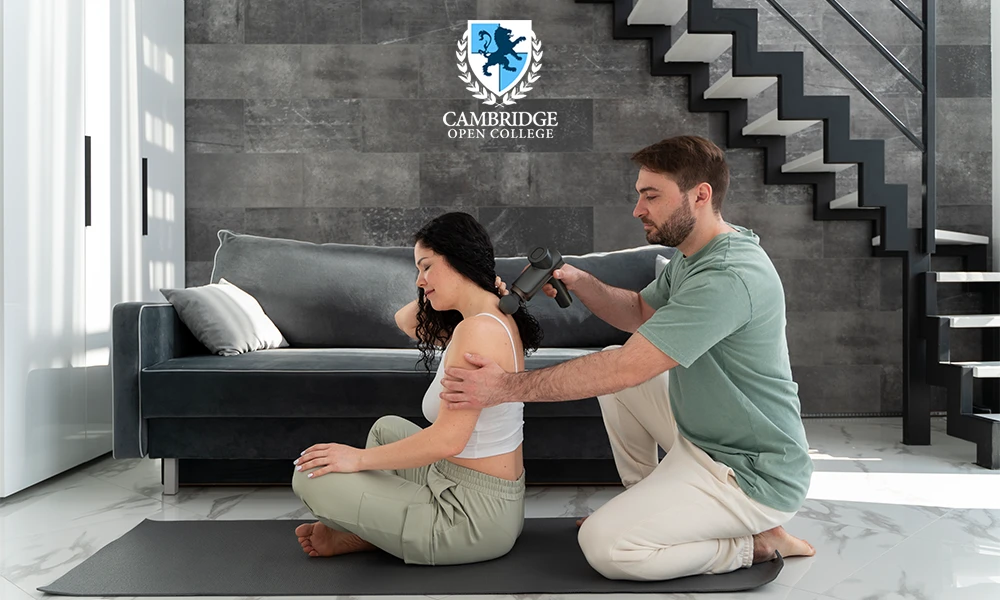
Practical elements — such as performing Swedish massage, sports massage techniques, deep tissue massage, and full body massage treatments — are assessed via video submission. You film your massage practice on a model at home and submit the recordings for tutor review. This means you can complete the full course without attending a campus or fixed course dates.

All course materials are included in the course price with no hidden costs. Many providers offer the option to pay in full or spread the cost across monthly instalments. For more on how home study platforms work in practice, our online distance learning courses guide explains exactly what to expect before you commit. You can also read about our body massage course for a practical example of how online massage training is delivered.

What Qualification Do You Receive?

There are several qualification routes available at Level 3 for massage therapy, depending on the awarding body and the type of provider you choose.

The ITEC Level 3 Diploma in Massage Therapy (RQF) is one of the most widely recognised massage qualifications in the UK. It is Ofqual-regulated, required by many professional associations for insurance and membership, and accepted by employers across sports, spa, and holistic therapy settings. The ITEC Level 3 Diploma in Sports Massage Therapy is the most recognised option specifically for sports massage therapists working in fitness and sports environments.

For those studying through home study providers, an endorsed qualification through Focus Awards or a similar scheme is widely accepted by employers in the massage and beauty industry and is a practical route for those who want flexible online study. On completing their Level 3 course, learners can apply to join professional bodies such as the Complementary and Natural Healthcare Council (CNHC) or the Federation of Holistic Therapists (FHT). Cambridge Open College’s Beauty Therapy Level 3 course is a broader option that includes massage techniques and body treatments alongside other professional qualifications. For more on what accredited qualifications look like, our online courses with accredited qualifications guide is worth reading before you choose a provider.

How Long Does a Level 3 Massage Course Take?
How Long Does a Level 3 Massage Course Take

Course duration depends on the qualification type and how much time you commit to study each week. For online home study, most learners complete the theory elements of a Level 3 massage course in three to six months. A full Level 3 Diploma including practical assessment typically takes six to twelve months for part-time study — or faster with a more intensive course approach.

Short course options are also available for learners who want to add specific massage techniques — such as Indian head massage or hot stone massage — to an existing qualification without completing a full diploma course. Self-paced online study means there is no fixed end date — you work through the course at whatever speed suits your life. Our guide to adult learning online courses in the UK has helpful advice on managing flexible self-paced study alongside work and family commitments.

Frequently Asked Questions

Can you do a Level 3 massage therapy course online in the UK?

Yes — the theory elements of a Level 3 massage therapy course can be studied entirely online through an accredited UK provider. Practical assessments such as Swedish massage, deep tissue massage, and full body massage techniques are completed via video submission, so you can train from home with a model and a massage couch.

Are there free Level 3 massage therapy courses in the UK?

learners may be eligible for funded Level 3 qualifications through UK government schemes such as Free Courses for Jobs or Advanced Learner Loans, depending on age, existing qualifications, and employment status. Check your eligibility at our guide to free online courses with certificates from the UK government before you enrol.

What is the best Level 3 massage course for beginners in the UK?

For complete beginners, a body massage course or a Level 3 Beauty Therapy course that includes massage techniques is a practical starting point. For those wanting to specialise in sports massage, the ITEC Level 3 Diploma in Sports Massage Therapy or the Active IQ Level 3 Diploma in Sports Massage Therapy are the most widely recognised options in that field.

Do you need a qualification to practise massage therapy in the UK?

There is no legal requirement to hold a specific qualification, but most insurance providers, professional associations, and employers require at least a Level 3 qualification before they will work with you. Holding a recognised Level 3 massage therapy diploma also allows you to join professional bodies such as the Focus Awards, which significantly boosts client trust and professional credibility.

Cambridge Open College offers accredited online massage and beauty therapy courses — including our body massage course and Beauty Therapy Level 3 — that cover massage techniques, anatomy and physiology, massage theory, and professional practice, all studied from home at your own pace. You get instant access to all course materials after enrolment, dedicated tutor support throughout, and an accredited certificate on successful completion. Browse the full range of beauty and massage courses at Cambridge Open College and find the course that fits your career goals.


Level 2 Beauty Therapy Course Online UK – How to Start Your Beauty Career

A Level 2 beauty therapy course is the recognised starting point for anyone who wants to build a career in the beauty industry. It gives you the foundational knowledge and practical skills to carry out a range of beauty treatments professionally — from facials and waxing to manicure and pedicure — and it is the qualification most salons look for when hiring junior therapists.

The good news is that a Level 2 beauty therapy course can be studied online in the UK. You do not need to attend a traditional college or beauty academy. With the right accredited provider, you can study the theory from home at your own pace and complete practical assessments using video submission.

This article explains what a Level 2 beauty therapy course covers, who it is for, what qualification you receive, how online study works, and what your options are once you have completed Level 2.

What Does a Level 2 Beauty Therapy Course Cover?

What Does a Level 2 Beauty Therapy Course Cover

A Level 2 beauty therapy course gives you a solid foundation in the most common beauty treatments and the professional knowledge to deliver them safely. Course content typically covers facial treatments, manicure and pedicure, waxing treatments, basic make-up application, skin anatomy, client consultation, contraindications, health and safety in the salon, and professional conduct.

The theory side of the course teaches you how and why treatments work — from understanding skin types to knowing which clients should not receive certain treatments. The practical side develops the hands-on skills you will need to work confidently in a salon or spa environment.

A Level 2 Diploma in Beauty Therapy — such as the VTCT Level 2 Diploma in Beauty Therapy — is an Ofqual-regulated qualification that appears on the Regulated Qualifications Framework (RQF). It is equivalent to GCSE level, benchmarked against level descriptors published by Ofqual, and recognised by employers, salons, and training providers throughout the UK. It qualifies you to work as a junior beauty therapist or salon assistant, or to progress directly to a Level 3 qualification.

Who Is a Level 2 Beauty Therapy Course For?

Level 2 beauty therapy courses are designed to be accessible. There are typically no formal entry requirements — you do not need previous qualifications to begin, though some providers ask for basic literacy skills. They suit a wide range of learners:

  • Complete beginners with no experience in beauty treatments who want to start a career in the beauty industry
  • Anyone who wants to explore beauty therapy before committing to a full Level 3 course
  • People returning to work who want a recognised qualification to support a salon or spa role
  • Those who want to work as a mobile beauty therapist or offer treatments on a self-employed basis
  • School leavers and adult learners considering a career change into beauty and wellness

Bear in mind that even when studying online, learners will need access to a model for practical assessments — the theory elements can be completed entirely from home, but hands-on practice is an essential part of any beauty therapy qualification. For a broader overview of accredited beauty courses available in the UK, our beauty courses UK guide covers all the key options.

Can You Study a Level 2 Beauty Therapy Course Online in the UK?

Yes — the theory elements of a Level 2 beauty therapy course can be studied fully online in the UK through an accredited provider. After enrolment, you get instant access to all your course materials through a structured online learning platform. Study is self-paced with no fixed timetable, so you work through modules at whatever speed suits your life.

A dedicated personal tutor supports you throughout the course — marking your assignments, giving written feedback, and answering your questions. This means you are never studying alone, even when learning from home.

Practical elements — such as performing facials, waxing treatments, manicures, and pedicures on paying clients or a model — cannot be completed purely online. Most online providers use video assessment, where learners film their practical treatments at home and submit the recordings for tutor review. All course materials are included in the course price with no hidden costs, and many providers offer monthly instalments to spread the course fee. Our online distance learning courses guide has helpful advice on managing self-paced home study effectively.

What Qualification Do You Get from a Level 2 Beauty Therapy Course?

There are several qualification routes available, depending on the awarding body and the type of provider you study with.

The VTCT Level 2 Diploma in Beauty Therapy (RQF) is the most widely recognised Level 2 beauty therapy qualification in the UK. It is Ofqual-regulated, nationally recognised by salons and spas across England, Wales, and Scotland, and accepted by the vast majority of beauty employers. A QLS Level 2-endorsed certificate is another option — not Ofqual-regulated, but widely accepted for self-employment and freelance beauty work. CPD-accredited beauty therapy certificates are also available as shorter course options for those who want to add specific treatments to existing skills.

Ofqual-regulated qualifications appear on the RQF with their own unique qualification number — this is what makes them formally recognised by employers and further training providers across the UK. On completing Level 2, most learners progress to a full Level 3 Beauty Therapy qualification to access a wider range of career opportunities. Our guide to online courses with accredited qualifications explains clearly what to look for before choosing a provider.

What Comes After a Level 2 Beauty Therapy Qualification?

What Comes After a Level 2 Beauty Therapy Qualification

Completing a Level 2 beauty therapy course opens several clear paths, depending on your goals and how quickly you want to progress.

Level 3 Beauty Therapy is the standard professional qualification for working as a fully qualified beauty therapist. It covers advanced facial treatments, body massage, electrotherapy, and more complex beauty treatments — and it is required by most salons and spas for senior therapist roles. Some providers offer a fast track Level 2 and 3 combined route for those who want to complete both levels quickly and move into employment as soon as possible.

Self-employment is also a realistic option after Level 2. Many learners start offering basic beauty treatments as a mobile or home-based therapist while they build towards Level 3 over time. Our Level 3 Beauty Therapy course blog explains what the next qualification involves and what career doors it opens. You can also read about massage therapy courses online at Level 3 if you want to add massage to your beauty skills.

Frequently Asked Questions

Can you do a Level 2 beauty therapy course online in the UK?

Yes — the theory elements of a Level 2 beauty therapy course can be completed fully online through an accredited UK provider. Practical treatments such as facials, manicures, and waxing are assessed via video submission, so you can train from home as long as you have access to a model and basic beauty equipment.

Is a Level 2 beauty therapy qualification recognised by employers?

Yes — an Ofqual-regulated Level 2 Diploma in Beauty Therapy, such as the VTCT Level 2, is recognised by employers across the UK beauty industry. It qualifies you to work as a junior beauty therapist or salon assistant and is accepted by most salons and spas as a foundation-level professional qualification.

Do I need a Level 2 before doing Level 3 beauty therapy?

Not always. Some Level 3 beauty therapy courses accept complete beginners with no prior qualifications, particularly for online home study routes. If you are confident and ready to commit, you may be able to go straight to Level 3 — always check entry requirements with the course provider before you enrol.

Are there free Level 2 beauty therapy courses in the UK?

Some learners may be eligible for government-funded Level 2 qualifications through Free Courses for Jobs or Skills Bootcamps, depending on age, employment status, and existing qualifications. Our guide to free online courses with certificates from the UK government explains how to check your eligibility before you enrol.

Cambridge Open College offers an accredited online Beauty Therapy Level 3 course that is perfect for beginners who are ready to go straight to a fully professional qualification. It covers beauty therapy foundations, anatomy, skincare, make-up, and salon management — all studied from home at your own pace, with instant access after enrolment, dedicated tutor support, and an accredited certificate on successful completion. Browse the full range of beauty courses at Cambridge Open College or explore all available courses to find the right starting point for your beauty career.

SEN Teaching Assistant Courses Online – How to Get Qualified in the UK from Home

More children than ever in UK schools are being identified with special educational needs. Schools need qualified, knowledgeable teaching assistants who can provide the right support — and the demand for trained SEN staff is growing every year across the UK education system.

The good news is that SEN teaching assistant courses can now be studied fully online. You do not need to attend a traditional college or learning institution. You can train from home, fit study around your existing commitments, and receive an accredited qualification that employers across the UK recognise.

This article covers what SEN teaching assistant courses involve, who they are for, what qualification you receive at Level 2 and Level 3, and exactly how to get started with online SEN training.

What Is a SEN Teaching Assistant Course?

A SEN teaching assistant course is a qualification that trains learners to support children and young people with special educational needs and disabilities (SEND) in school and classroom settings. It gives you the knowledge and practical strategies to make a real, positive impact on the pupils you work with.

Core course content covers the SEN Code of Practice, different types of learning difficulties and disabilities, behaviour management strategies, how to support children with autism, working effectively alongside the class teacher, and tailoring support to meet individual learning needs. Learners also study how to assist pupils with special educational needs in mainstream schools — where the need for skilled SEN support is greatest.

Courses are available at Level 2 and Level 3 on the Regulated Qualifications Framework (RQF), and most are accredited through recognised awarding bodies such as Focus Awards, which is regulated by Ofqual. Both levels are designed to build real-world knowledge and skills that can be applied directly in a school or learning support environment.

Who Are SEN Teaching Assistant Courses For?

Who Are SEN Teaching Assistant Courses For

These courses are designed to be accessible to a wide range of learners — and most have no formal entry requirements. They suit:

  • People who want to start working as a classroom assistant or SEN support worker in a UK school
  • Teaching assistants already working in schools who want a formal SEN qualification to formalise their experience
  • Volunteers or school support staff who work with pupils with special educational needs and want to strengthen their knowledge
  • Parents, carers, or support workers assisting children with learning difficulties outside a school setting
  • Career changers who want to move into education, specialist support, or SEND roles

There is no requirement to have worked in a school before enrolling. Courses are designed for beginners and experienced learners alike. If you are interested in how distance learning teaching assistant courses work in practice, our guide on distance learning teaching assistant courses has more detail on what to expect.

Level 2 vs Level 3 SEN Teaching Assistant Courses — What Is the Difference?

Choosing between a Level 2 and Level 3 SEN course depends on your experience and where you want to go with your career.

A Level 2 SEN teaching assistant course is introductory level — broadly equivalent to a GCSE. It is the ideal starting point for people new to the field with no previous experience working with children and young people with special educational needs. It covers the basics of SEND, how to support pupils in the classroom, and how to work effectively with the class teacher.

A Level 3 SEN teaching assistant course is more advanced — equivalent to A-level on the RQF. It goes much deeper into the SEN Code of Practice, specialist support strategies, supporting children with autism, behaviour management, SEND policy, and how to tailor learning support to meet individual needs and preferences. Completing a Level 3 SEN course also opens the door to progressing to a Level 4 Higher Level Teaching Assistant (HLTA) qualification. For more on career progression in education, our guide on how to become a teaching assistant in the UK is a helpful read.

What Qualification Do You Receive from an Online SEN Teaching Assistant Course?

There are several accredited qualifications available depending on the course you choose and your level of study.

The SEN Teaching Assistant Level 3 is an accredited online course awarded by Focus Awards through the Focus on Quality Provision (FQP) scheme. It covers 22 units across all core SEN topics and is widely accepted by employers in UK schools. The Level 3 Certificate in Supporting Teaching and Learning in Schools (RQF) is an Ofqual-regulated qualification that appears on the Regulated Qualifications Framework — making it a fully nationally recognised credential.

On completing their SEN course, learners receive an accredited certificate recognised by employers across the UK. Some learners also choose to study qualifications in understanding autism or online learning disability courses at Level 3 alongside their SEN teaching assistant training to build broader specialist support skills. You can explore the full SEN Teaching Assistant Level 3 course at Cambridge Open College to see exactly what is included.

How Does Online SEN Teaching Assistant Training Work?

How Does Online SEN Teaching Assistant Training Work

You can complete a SEN teaching assistant course fully online in the UK — no classroom, no campus, and no fixed timetable. After enrolment, you get instant access to all your course materials through a structured online learning platform. Everything you need is in one place from day one.

Study is entirely self-paced. You work through easy-to-follow modules at whatever speed suits your life, and a dedicated personal tutor is assigned to support you throughout your learning journey. You submit assignments online and receive individual written feedback from your tutor — not automated responses. All course materials are included in the course price, with no hidden costs.

Most learners complete a Level 3 SEN teaching assistant course within a few months, depending on how much time they dedicate each week. Bear in mind that while the course itself is studied from home, you will need to pass a Disclosure and Barring Service (DBS) check before working with children in a school environment. For guidance on managing online self-paced study, our online distance learning courses guide is well worth reading before you begin.

Frequently Asked Questions

Are there free SEN teaching assistant courses in the UK?

Some free SEN teaching assistant courses are available through government-funded schemes such as Free Courses for Jobs, which offers eligible adults in England free access to Level 3 qualifications. Availability depends on your age, existing qualifications, and employment status — check your eligibility on the free online courses with certificates UK government page before you enrol.

Is a SEN teaching assistant qualification recognised by UK schools?

Yes — accredited SEN teaching assistant qualifications from Ofqual-regulated awarding bodies such as Focus Awards are recognised by employers across UK schools and education settings. A Level 3 qualification demonstrates to schools that you have the knowledge and practical skills to support pupils with special educational needs effectively.

What is the best SEN teaching assistant course online in the UK?

The best course depends on your experience and goals. For beginners, a Level 2 SEN course is a solid starting point. For those wanting a comprehensive, widely recognised qualification, a Level 3 SEN Teaching Assistant course is the most recommended option. Always confirm that the course is accredited by a recognised awarding body before you enrol.

Can I become a SEN teaching assistant without experience?

Yes. Most online SEN teaching assistant courses have no formal entry requirements and are open to anyone with a genuine interest in supporting children and young people with special educational needs. You will need a DBS check before working with children, but the course itself is accessible to complete beginners.

Cambridge Open College offers accredited online SEN teaching assistant courses that you can study from home, at your own pace, with a dedicated tutor supporting you from the day you enrol. All course materials are included in the course price — no hidden costs — and you receive an accredited certificate on successful completion. Browse the SEN Teaching Assistant Level 3 course or explore the full range of teaching and education courses at Cambridge Open College to find the right course for you.

Level 4 Health and Social Care Online UK- Your Guide to the Diploma

If you are already working in health or social care and want to move into a management or senior role, a Level 4 health and social care qualification is the recognised next step. It sits directly above Level 3 on the Regulated Qualifications Framework (RQF) and is equivalent to the first year of a university degree in health and social care — giving you the advanced knowledge and management skills that employers in the care sector look for.

The Qualification Level 4 Diploma in Health and Social Care is an Ofqual-regulated qualification awarded by a nationally recognised awarding body. It can be studied entirely online in the UK, making it accessible to working care professionals who cannot leave their job to attend a traditional college or campus.

This article covers what the Level 4 Diploma involves, who it is for, what jobs it leads to, whether you can study it online, how long it takes, and what funding options may be available.

What Is a Level 4 Health and Social Care Diploma?

The Level 4 Diploma in Health and Social Care is an advanced, regulated qualification designed for people working in or moving into management and leadership roles in the care sector. It is regulated by Ofqual, awarded by recognised awarding bodies such as Qualifi, and appears on the RQF with its own unique qualification number — the Qualifi Level 4 Diploma carries Qualification Accreditation Number 601/5058/0.

This is not a certificate of participation. It is a regulated qualification as defined by level descriptors published by Ofqual, equivalent to the first year of a health and social care degree. The course typically requires 120 credits spread across six units.

Course content covers health and social care management, leadership and communication in care settings, sociological concepts of health and ill health, healthcare policy and its impact on service delivery, person-centred care, reflective practice, safeguarding, care plans, and how to work effectively across different care environments and social care settings. Every module is directly relevant to working in health and social care at a senior level.

Who Is a Level 4 Health and Social Care Course For?

The Level 4 Diploma is designed for learners who already have experience in the health and social care sector and are ready to formalise their knowledge or step up into more senior roles. It is not an entry-level course.

It is particularly well suited for:

  • Experienced care workers ready to move into team leader, senior carer, or care coordinator roles
  • People already in management roles in care homes, adult social care, or community care who want a formal management qualification to match their experience
  • Learners who have completed a Level 3 health and social care course and want to progress to Level 4 and beyond
  • Career changers with relevant work experience in health or social care organisations seeking an accredited Level 4 qualification

Entry requirements typically ask for a Level 3 qualification in health and social care or relevant work experience in a health or social care setting. Recognition of prior learning (RPL) may be available for experienced professionals who do not hold a formal Level 3. Our guide to health and social care courses online covers the full qualification pathway from Level 2 through to Level 5.

What Jobs Can You Get with a Level 4 Health and Social Care Qualification?

What Jobs Can You Get with a Level 4 Health and Social Care Qualification

The Level 4 Diploma opens the door to a range of management and senior roles across the health and social care sector. Common job roles for Level 4 graduates include:

  • Care manager or deputy manager in a care home or residential care setting
  • Care coordinator in adult social care or community care services
  • Health and social care manager across different care environments and social services
  • Senior support worker or team leader in social care settings
  • Health and wellbeing coordinator or community development officer

The health and social care sector remains in high demand across the UK. Roles in adult care, care homes, and community care settings continue to grow, making the Level 4 Diploma a stable, long-term investment in your career. Learners who successfully complete Level 4 can progress to a Level 5 Diploma in Health and Social Care Management — equivalent to the second year of a degree — or work towards a full degree in health and social care. Our career development courses guide has more on planning your progression within health and social care.

Can You Do Level 4 Health and Social Care Online?

Yes — you can study the Level 4 health and social care diploma entirely online in the UK. The course is delivered online through a structured learning platform, and there is no requirement to attend a physical college, campus, or classroom at any point.

After enrolment, you get instant access to all course materials — everything is included in the course price with no hidden costs. Study is self-paced with no fixed timetable, so you can fit your learning around your existing job and personal commitments. A dedicated tutor supports you throughout, and all assessments are completed online within the course platform itself. For guidance on how self-paced home study works in practice, our online distance learning courses guide and online courses with accredited qualifications articles explain what to expect before you enrol.

How Long Does a Level 4 Health and Social Care Course Take?

How Long Does a Level 4 Health and Social Care Course Take

Most learners complete the Level 4 Diploma in 6 to 12 months, depending on how much time they dedicate to study each week. There is no fixed end date — you work through the course modules at whatever pace suits your life, and you can slow down during busier periods without penalty.

The NVQ Level 4 route — available for those completing workplace-based evidence in an active care role — typically takes longer due to the requirement for observed practice and portfolio evidence. The online diploma route through a distance learning provider is considerably more flexible. For learners asking about NVQ Level 4 and 5 combined routes, the standard pathway is to complete Level 4 first before progressing to Level 5 — most learners move through the levels sequentially. Our guide to flexible home study courses you can start anytime has useful advice on managing self-paced study alongside a full-time role.

Frequently Asked Questions

Can I do Level 4 health and social care online?

Yes — a Level 4 health and social care diploma can be studied entirely online through an accredited UK provider. You get instant access to course materials after enrolment, study at your own pace, and receive support from a dedicated tutor throughout. There is no need to attend a classroom or campus at any point.

Is there a Level 4 in health and social care?

Yes. The Level 4 Diploma in Health and Social Care is an Ofqual-regulated qualification that sits above Level 3 and below Level 5 on the Regulated Qualifications Framework (RQF). It is awarded by recognised awarding bodies such as Qualifi and is widely accepted by employers across the UK health and social care sector.

How long does it take to complete Level 4 health and social care?

Most learners complete the Level 4 Diploma in 6 to 12 months, depending on how much time they study each week. Because study is self-paced, you can move faster when you have more time or slow down during busier periods. There is no fixed deadline for completing your course.

Is there government funding available for NVQ Level 4 health and social care?

Some learners may be eligible for funding through the Advanced Learner Loan scheme or other government-funded programmes, depending on age, existing qualifications, and employment status. It is worth checking your eligibility before you enrol — funded options can significantly reduce the cost of your Level 4 qualification.

Cambridge Open College offers an accredited Advanced Practice in Health and Social Care Level 4 course that working professionals across the UK can study entirely online, at their own pace, with all course materials included and dedicated tutor support from day one. The qualification is accredited, recognised by employers in the health and social care sector, and there are no hidden costs. Explore the Level 4 course or browse the full range of health and social care courses at Cambridge Open College to find the right qualification for your care career.

UK Distance Learning with Quality Learning Materials : What to Expect?

A lot of people worry that studying from home means lower quality. They picture dry, hard-to-follow materials, no real support, and a qualification that employers will not take seriously. It is a fair concern – but it is one that good UK distance learning providers have worked hard to address.

Accredited UK distance learning courses now deliver high-quality learning materials, well-structured programmes, and personal tutor support through dedicated online learning platforms. The learning experience has improved enormously, and for many learners it is now equal to — or better than — studying in a classroom.

This article explains what quality learning materials in distance learning actually look like, how tutor support works, what subjects you can study, and how to choose the right UK distance learning provider for your goals.

What Are Quality Learning Materials in Distance Learning?

Quality learning materials are the foundation of any good distance learning course. At a minimum, learners should expect well-written study guides, easy-to-follow course content broken into clear modules, and assignments that test genuine understanding rather than just memory.

Good study materials are written by fully qualified subject specialists – not pulled together from generic internet sources. They should be comprehensive without being overwhelming, and written in plain, everyday language that is straightforward to work through at your own pace.

A well-designed online course guides you logically from one module to the next. You should never reach the end of a section and feel unsure about what comes next. If the structure is unclear, the materials have not been designed well — and that is worth factoring in before you enrol.

How Does Tutor Support Work in UK Distance Learning?

How Does Tutor Support Work in UK Distance Learning

Tutor support is one of the most important parts of any distance learning course — and it is also one of the most variable. A good UK distance learning provider assigns each learner a personal tutor who marks assignments, gives written feedback, and is available to answer questions throughout the course.

This is very different from an automated system or a generic email helpdesk. A personal tutor responds to your specific work and gives you personalised guidance based on where you are in your learning journey. That kind of individual feedback is what helps learners actually progress and complete their qualification. Our guide on help and support from expert tutors online explains in detail what good tutor support looks like in practice.

Responsive, qualified tutors are what separates a highly rated distance learning provider from one that simply sells access to course materials and leaves learners to get on with it alone.

What Does a Well-Structured Distance Learning Course Look Like?

A well-structured course has a clear path from enrolment to qualification. Each module has defined learning objectives, assignments build logically on what came before, and learners always know where they are and what they need to do next.

The best online learning platforms keep everything in one place — study materials, assignments, tutor communication, and progress tracking. There is no logging into separate systems or hunting for resources. Everything is accessible from the moment you enrol, and the structure of the course carries you through from start to finish.

This level of organisation is what makes the difference between a smooth, manageable learning experience and a frustrating one. For a broader overview of how distance learning works in practice, our online distance learning courses guide is a useful read before you commit to a course.

What Subjects Can You Study Through UK Distance Learning?

UK distance learning providers now offer a wide range of subjects across vocational and professional qualification levels. Common areas include health and social care, business administration, teaching and education, early years and childcare, HR management, counselling, mental health, and life coaching — among many others.

Qualifications are available from Level 2 through to Level 5 on the Regulated Qualifications Framework (RQF), covering entry-level awards right through to diplomas and higher-level vocational programmes. Some learners also use distance learning to resit GCSEs or gain a subject they did not study at school — a practical option for adults returning to education.

If you are looking to move into a new career or build on your existing skills, our career development courses blog and home study courses guide cover the options in more detail. You can also browse adult learning online courses in the UK for guidance on getting started as a mature learner.

How to Choose a Good UK Distance Learning Provider

How to Choose a Good UK Distance Learning Provider

Not all distance learning providers are equal. Before you enrol, check five things:

  1. Accreditation — is the course Ofqual-regulated and awarded by a recognised UK awarding body?
  2. Learning materials — are the study materials written by fully qualified subject specialists and easy to follow?
  3. Personal tutor support — will you be assigned a real tutor who marks your work and gives individual feedback?
  4. Course structure — is the learning journey clearly laid out from your first module to your final assessment?
  5. Student reviews — what do past learners say about the quality of materials and support they received?

Accredited UK providers must meet national standards for course content and learner support. That accreditation is a meaningful quality guarantee — not just a logo. For more on what accredited online qualifications look like, our guide to online courses with accredited qualifications is worth reading before you decide. You can also find guidance on flexible online study options to compare how different providers structure their courses.

Frequently Asked Questions

Are UK distance learning qualifications recognised by employers?

Yes, qualifications from accredited UK distance learning providers are recognised by employers across all sectors. What matters to employers is that the qualification is Ofqual-regulated and awarded by a recognised awarding body — not whether you studied online or in a classroom.

What is the cheapest way to study online in the UK?

Distance learning is generally one of the most affordable routes to a recognised qualification in the UK. There are no travel costs or campus fees, and many providers offer flexible payment plans. Some learners may also be eligible for government-funded qualifications through schemes like Free Courses for Jobs.

Can international students study UK distance learning courses?

Yes — most UK distance learning providers accept international students. Because courses are delivered entirely online, learners can access their study materials and tutor support from anywhere in the world with an internet connection.

How long does it take to complete a UK distance learning course?

It depends on the qualification level and how much time you study each week. Many learners complete a Level 3 diploma in six to twelve months. Because study is self-paced, you can move faster when you have more time available or slow down during busier periods.

Cambridge Open College has been delivering UK distance learning with quality learning materials and dedicated tutor support since 2015. Courses are written by fully qualified subject specialists, structured to be easy to follow from day one, and include all study materials in the course price. Qualifications are accredited and recognised by employers throughout the UK. Browse the full range of online courses at Cambridge Open College and find the right one for where you want to go.

Mental Health Support Worker Courses Online Your Complete UK Guide

More people than ever are choosing to train as mental health support workers in the UK. Demand for skilled, compassionate workers in mental health care is growing, and many people are turning to online courses because they fit around work, family, and other commitments.

A mental health support worker helps people who are experiencing mental health issues in a range of settings — from community services and social care organisations to NHS-adjacent roles and residential care environments. It is a genuinely rewarding career, and online training has made it more accessible than ever before.

This article is for anyone thinking about starting a mental health support worker course online in the UK — whether you are completely new to health and social care, or already working in the sector and looking to formalise your skills and knowledge with a recognised qualification.

What Is a Mental Health Support Worker Course?

A mental health support worker course gives you a solid, practical understanding of mental health and how to support people who are affected by it. Courses cover the different types of mental health conditions, the principles of care and management in mental health settings, duty of care in adult health and social care, the Mental Capacity Act, and approaches to supporting individuals safely and compassionately.

Many courses are built around the Level 2 Certificate in the Principles of Mental Health Care. This is a recognised entry-level qualification that gives learners a detailed understanding of mental health and the skills needed to work effectively as a mental health care worker.

CPD-accredited courses are also available for people already working in health and social care who need to update their training or meet continuing professional development requirements for their organisation.

Can You Do Mental Health Support Worker Training Online in the UK?

Yes — you can complete mental health support worker training entirely online in the UK. You do not need to attend a traditional college or learning institution. Everything is delivered through a structured online platform that you can access from home, at any time that suits you.

Once you enrol, you get instant access to your online training materials. Courses are easy to follow, self-paced, and supported by a dedicated tutor throughout. If you have a question or need guidance, your tutor is there to help — you are never studying alone.

Upon successful completion of the course, you receive an accredited certificate that is recognised by employers across the UK. For a broader look at how online and distance learning works, our online distance learning courses guide is a helpful starting point.

What Qualifications Do You Get from Online Mental Health Courses?

What Qualifications Do You Get from Online Mental Health Courses

There are several qualifications available depending on where you are in your career.

The most common starting point is a CPD-accredited certificate. These short online mental health courses are recognised by the CPD Certification Service and are widely used for professional development in health and social care. Your certificate will contain the universally recognised CPD Certification Service logo, which is recognised throughout the UK by employers and organisations alike.

The Level 2 Certificate in the Principles of Mental Health Care is a more formal qualification. It gives learners a thorough grounding in mental health — covering types of conditions, care and management approaches, safeguarding, and the principles a mental health care worker is required to understand and apply.

For those looking to progress further, Level 4 qualifications are available in areas like Community Mental Health Practice, Cognitive Behavioural Therapy, and Counselling and Psychotherapy — all of which can be studied online at your own pace.

Who Are Mental Health Support Worker Courses For?

Who Are Mental Health Support Worker Courses For

These courses are designed to be accessible to a wide range of learners. You do not need previous experience or existing qualifications to start an entry-level mental health support worker course.

The courses are particularly well-suited for:

  • People new to health and social care who want to start a career supporting individuals with mental health needs
  • Care workers already in adult health and social care settings who want a formal, accredited qualification
  • Support workers in social care or community services who need CPD training recognised by their employer
  • Anyone with lived experience of mental health challenges who wants to build a career helping others

No prior experience is required for beginner courses — they are built from the ground up to give new learners everything they need. If you are thinking about a career change or a new direction, our career development courses blog has useful guidance on getting started.

What Will You Learn on a Mental Health Support Worker Course Online?

The course content is practical, clearly structured, and directly relevant to working in mental health support. Core topics include:

  • The different types of mental health conditions and how they affect people day to day
  • Principles of care and management in mental health settings
  • Duty of care in adult health and social care
  • The Mental Capacity Act and what it means in practice for support workers
  • How to support individuals with mental health needs in a safe, person-centred way
  • Approaches to care — including communication, risk awareness, and compassionate support

All course materials are included in the course price. Learners complete online assessments as they progress, and upon successful completion, receive a certificate to showcase their new skills and knowledge. For more information on what accredited online qualifications look like, our guide to online courses with accredited qualifications explains what to expect.

Frequently Asked Questions

Are there free mental health courses in the UK? Some free online mental health courses are available through NHS-linked platforms and Gov.uk resources, though these tend to be short awareness courses rather than fully accredited qualifications. For a complete mental health support worker course with tutor support and a recognised certificate, a paid accredited course is typically required.

Are accredited mental health courses online recognised by employers? Yes. Accredited mental health courses online — including CPD-recognised qualifications — are widely accepted by employers across health and social care, social services, and community support roles throughout the UK. Always confirm your course is accredited by a recognised body such as the CPD Certification Service or an Ofqual-regulated awarding organisation.

What is the best mental health support worker course online in the UK? The best course depends on your experience and goals. For beginners, the Level 2 Certificate in the Principles of Mental Health Care is an excellent starting point. For those already working in the sector, a CPD-accredited short course or a Level 4 qualification in Community Mental Health Practice may be a better fit.

Do I need previous experience to start a mental health support worker course? No. Entry-level mental health support worker courses online are open to anyone with an interest in the field. You do not need existing qualifications or experience to enrol — courses are designed to build your understanding of mental health from the ground up.

Cambridge Open College offers fully accredited online mental health courses that you can study from home, at your own pace, with dedicated tutor support from start to finish. From the moment you enrol, you get instant access to all your course materials — easy-to-follow, clearly structured, and included in the course price. When you complete your course, you receive an accredited certificate to demonstrate your new skills and knowledge to employers. Browse the full range of mental health and health and social care courses at Cambridge Open College and find the right one for you.

Distance Learning Management Tools : What They Are and How They Work

When you sign up for an online course, something has to make it all work. The platform you log into, the place where you access your learning materials, track your progress, and message your tutor — all of that is powered by distance learning management tools. These are the software systems and online platforms that sit behind every successful online course.

The most common type is a Learning Management System, or LMS. Colleges, universities, and training providers all use some form of LMS to deliver online learning to their students. Without these tools, managing distance learning at any scale would be almost impossible.

This article is for anyone who wants to understand how distance learning works in practice — whether you are a learner thinking about studying online, an educator looking at learning solutions, or simply someone curious about how e-learning management systems are built and used.

What Is a Learning Management System (LMS)?

A Learning Management System is a software platform used to create, deliver, manage, and track online courses and training content. Think of it as a digital classroom — everything a learner needs is stored in one place and accessed through a single login.

A good LMS does several things well. It organises course content so learners can follow a clear learning path, tracks how far each learner has progressed, and supports communication between learners and tutors. It also gives providers the ability to create courses, upload learning materials, and monitor learning outcomes across their entire student base.

LMS platforms come in different forms. Some are cloud-based, meaning they are hosted online and accessible from any device. Others are open-source, which means they are free to use and can be customised. Some are built specifically for corporate training, while others are designed for academic teaching and learning. Choosing the right LMS depends on what the organisation needs.

What Are the Four Types of Learning Management Systems?

Understanding the different types of LMS systems helps you see why not all distance learning platforms feel the same. Here are the four main categories:

  1. Cloud-based LMS — Hosted entirely online, with no installation required. Learners access the platform from any device, anywhere. This is one of the most popular types for modern distance learning providers because it is flexible and easy to scale.
  2. Open-source LMS — Free to download and customise. Moodle LMS is probably the most well-known example and is widely used in schools, colleges, and universities. A free LMS like Moodle is a practical option for organisations with technical resources to manage it themselves.
  3. Corporate LMS — Designed for employee training and development within businesses. These platforms often include features like blended learning, personalised learning journeys, and progress reporting for managers. Many companies use a corporate LMS to deliver training content at scale across large teams.
  4. Academic LMS — Built specifically for schools, colleges, and universities. These focus on course management, structured learning, and tracking learning outcomes for students. They are designed to support teaching and learning in an organised, easy-to-follow way.

The best learning management system for any organisation depends on its size, budget, and learning needs. A small training provider has different requirements to a large university delivering global learning to thousands of students.

What Are Examples of LMS Tools?

What Are Examples of LMS Tools

There are many well-known LMS platforms used around the world. Some of the most widely recognised include Moodle (an open-source LMS used heavily in education), Canvas, Blackboard, Google Classroom, TalentLMS, and LearnUpon. Absorb LMS and Docebo are also among the best-known options for corporate learning environments.

Free LMS options, such as Moodle, make it possible for smaller providers to deliver structured online learning without large upfront costs. For organisations that want a ready-built cloud-based solution, platforms like TalentLMS and LearnUpon offer user-friendly learning environments with strong course management features.

Many distance learning providers — including Cambridge Open College — use their own structured online learning platform to give learners instant access to course materials, tutor support, and a smooth learning experience from day one. For a broader look at how distance learning works, our online distance learning courses guide is a helpful starting point.

How Do Distance Learning Management Tools Support Learners?

A well-designed LMS platform does more than just store content. It actively helps learners stay organised, motivated, and on track throughout their studies. Good LMS tools offer clear learning paths so students always know what to do next, personalised learning experiences that adapt to individual progress, and mobile learning access so you can study from your phone or tablet as well as a desktop.

Learners also benefit from being able to communicate with tutors directly through the platform. Having instant access to materials, easy-to-follow course content, and a clear learning environment makes a big difference — especially for those studying around work or family. Our guide on help and support from expert tutors online explains what good learner support looks like in practice.

If you are considering online study and want to understand how flexible the experience can be, our article on flexible online courses for working adults in the UK covers the key benefits clearly.

How to Manage Distance Learning Effectively as a Student

How to Manage Distance Learning Effectively as a Student

Using good distance learning management tools helps, but learners also play a role in managing their own studies well. The most important thing is to treat your online course like a real commitment. Set a regular study schedule and stick to it, even if the course is self-paced.

Use every feature the learning platform offers — access your course content regularly, check your progress, and reach out to your tutor when you need guidance. Break your study sessions into manageable chunks rather than trying to do everything at once. A structured online learning platform makes all of this much easier by keeping your materials, progress, and tutor contact in one place.

For practical advice on how to study from home effectively, our guides on accredited distance learning with dedicated tutor support and flexible study from home accredited courses are both worth reading. You can also compare the differences between distance learning and classroom learning to decide which approach suits you best.

Frequently Asked Questions

What are examples of LMS tools? Well-known LMS platforms include Moodle, Canvas, Blackboard, Google Classroom, TalentLMS, and LearnUpon. Moodle is one of the most widely used open-source LMS options in education, while corporate providers often use platforms like LearnUpon or TalentLMS for employee training.

What are the top 10 LMS platforms? The top LMS platforms used globally include Moodle, Canvas, Blackboard, Google Classroom, TalentLMS, LearnUpon, Docebo, Cornerstone, SAP Litmos, and Absorb LMS. The best choice depends on whether you need an academic, corporate, or open-source solution.

What are the four types of LMS? The four main types are cloud-based LMS, open-source LMS, corporate LMS, and academic LMS. Each type suits different organisations and learning needs, from large companies delivering employee training to colleges managing online courses for students.

How do you manage distance learning? Managing distance learning effectively means setting a regular study schedule, accessing your course materials consistently through the online platform, staying in contact with your tutor, and breaking your learning into manageable sessions. A well-structured LMS makes all of this much easier.

Cambridge Open College delivers its accredited online courses through a structured learning platform that gives every learner instant access to their course materials, easy-to-follow content, and dedicated tutor support throughout their studies. Whether you are interested in a Management Studies Level 3, Human Resources Management Level 4, or another subject entirely, everything you need is available in one place from the moment you enrol. Browse the full range of accredited online courses at Cambridge Open College and find the right one for you.

Level 3 Online Learning Disability Courses in the UK – What You Need to Know

If you work with or support people with learning disabilities, gaining a formal qualification can make a real difference — both to the people you support and to your own career. Online learning disability courses at Level 3 in the UK are designed for teaching assistants, support workers, carers, health and social care professionals, and parents who want to build their knowledge and skills in a flexible, accessible way.

A Level 3 qualification in this area is a recognised, professional step up. Whether you work in a school, a care setting, or a community environment, completing a Level 3 SEN or learning disability course shows that you understand how to support individuals with learning disabilities effectively and responsibly.

This article explains what a Level 3 learning disability course covers, who it is designed for, how online study works, and what your options are if you are looking at costs.

What Is a Level 3 Learning Disability Course?

What Is a Level 3 Learning Disability Course

A Level 3 qualification in supporting individuals with learning disabilities is a structured course that builds both knowledge and practical skills. It covers the principles of special educational needs, the legal and policy framework around special educational needs and disabilities (SEND), and how to support positive outcomes for the people in your care.

Typical course content includes understanding different types of learning disabilities, supporting children and young people with learning difficulties, facilitating learning and development activities to meet individual needs and preferences, and recognising social and emotional needs. Some courses also include units on working with autistic individuals and understanding their views and attitudes.

Level 3 sits on the Regulated Qualifications Framework (RQF) and is equivalent to A-level standard. Qualifications at this level are Ofqual-recognised, which means they are regulated, standardised, and accepted by employers across the UK.

Who Is This Course Designed For?

Online learning disability courses at Level 3 are designed for a wide range of people. The most common learners are teaching assistants who work with children with special educational needs, support workers and carers who assist people with a learning disability in day-to-day life, and health and social care professionals who want a formal qualification to support their job role.

The course is also suitable for parents of children with learning disabilities who want to better understand how to support their child’s development, and for adult learners who are looking to move into a new career working with children or vulnerable adults.

Most online courses at this level do not require previous qualifications to enrol. If you are new to the field and wondering how to get started, our guide on how to become a teaching assistant in the UK is a helpful starting point. You can also read our adult learning online courses UK guide for more on returning to education as an adult.

What Will You Learn on a Level 3 SEN and Learning Disability Course?

The course gives learners a solid understanding of how to support individuals with learning disabilities in a range of settings. You will learn to understand the basic principles of special educational needs, the legal and policy framework for SEND in England, and how to work with children and young people who are attending mainstream schools or specialist provision.

You will also develop skills in facilitating learning and development activities to meet individual goals, supporting active participation, and understanding the different needs and preferences of people with learning difficulties. The course covers social and emotional development, how views and attitudes affect the experience of people with a learning disability, and how to promote positive outcomes throughout your work.

By the time you complete the course, you will have gained the knowledge and confidence to apply what you have learned directly in your job role. If your work also involves health and social care responsibilities, our guide to health and social care courses online in the UK covers related qualifications that may also be useful.

Can You Do a Level 3 Learning Disability Qualification Online?

Yes — you can complete a Level 3 learning disability course fully online through an accredited provider. Online study means you get instant access to your course materials as soon as your enrolment is complete. There is no fixed timetable, so you can study at your own pace and fit your learning around your existing work and personal commitments.

A tutor will be assigned to support you throughout the course. They are available to answer questions, provide feedback on your work, and guide you through any areas you find difficult. You simply need a device with internet access to get started.

For more on how online distance learning works in practice, our online distance learning courses guide is a useful read. You can also find out more about what learner support looks like on our page about help and support from expert tutors online.

Is a Level 3 Learning Disability Course Free?

Is a Level 3 Learning Disability Course Free

Some free options do exist in the UK, but availability depends on your personal circumstances and which qualification you want to take. The government’s Free Courses for Jobs scheme in England offers free Level 3 qualifications to eligible adults who do not already hold a Level 3 qualification. If you meet the eligibility criteria, this could be a way to complete your enrolment at no cost.

Where courses are not fully funded, many accredited providers offer affordable course fees and payment plans so you are not paying everything upfront. When comparing providers, the most important thing to check is that the qualification is accredited and recognised — not just that the price is low. Our blog on free online courses with certificates from the UK government explains the funding options in more detail, and our affordable online qualifications guide covers how to manage the cost of studying.

Frequently Asked Questions

Can you do a Level 3 qualification online? Yes. Many Level 3 qualifications, including learning disability and SEN courses, are available fully online through accredited providers in the UK. You study at your own pace with tutor support and receive a recognised certificate on completion.

Can I get a Level 3 qualification for free? It depends on your circumstances. The government’s Free Courses for Jobs scheme offers free Level 3 qualifications to eligible adults in England who do not already hold one. Check your eligibility carefully before you begin your enrolment.

What is the Level 3 SEN course? A Level 3 SEN course is a qualification that teaches you how to support children and young people with special educational needs and disabilities. It covers topics such as understanding learning difficulties, the SEND legal framework, and how to facilitate learning activities to meet individual needs.

Which course is best for working with people with a disability? The best course depends on your job role and goals. For those working in schools or education settings, a Level 3 SEN Teaching Assistant or Teaching Assistant Level 3 qualification is a strong choice. For health and social care settings, a Health and Social Care Level 3 is also highly relevant.

Cambridge Open College offers accredited online learning disability courses at Level 3 that are fully flexible, self-paced, and supported by a dedicated tutor from the moment you enrol. Whether you are already working in a relevant role or just starting out, there is a course to suit your needs and your schedule. Browse the full range of accredited online courses at Cambridge Open College and take the next step at a pace that works for you.

Adult Learning Online Courses in the UK

It is never too late to learn something new. Thousands of adults across the UK are choosing to go back into education every year — not because they have to, but because they want to grow, change careers, or simply gain a qualification they never had the chance to get earlier in life. Whatever your reason, there is an online course out there that can help.

The great thing about adult learning online courses in the UK is the flexibility they offer. You can study at your own pace, fit your learning around work, family, and other commitments, and gain a recognised qualification without ever setting foot on a campus. You do not need to quit your job or rearrange your entire life just to get started.

This article is for adults in the UK who want to find a course online that genuinely fits their life and career goals — whether that is a short course to build new skills or a full diploma to move into a brand new field.

Why More Adults in the UK Are Choosing to Study Online

Traditional education does not always suit adult learners. Attending classes at a fixed time, commuting to a college, and keeping up with a strict timetable can be very difficult when you already have a full-time job or a family to look after. Online learning removes most of those barriers.

With adult learning online courses, you study from home on your own schedule. There is no travel involved, no set class times, and no pressure to keep pace with a group. Courses are designed so learners can go at a pace to suit them — fast if you have extra time, or slower if life gets busy. You can study in the evenings, at weekends, or during a lunch break.

If you work full-time or have caring responsibilities, our guide to flexible online courses for working adults in the UK explains exactly how online study can fit around your existing commitments.

What Types of Adult Learning Online Courses Are Available in the UK?

There is a wide variety of online courses available for adults in the UK, covering a huge range of subjects and skill levels. Whether you are interested in health and social care, business, education, or something more creative, you will find something that suits your goals.

Some of the most popular areas include:

Courses range from short awards to full diplomas. All are self-paced, with instant access and dedicated tutor support throughout. For more ideas on how studying online can boost your career, take a look at our career development courses online UK guide.

Are Online Courses for Adults in the UK Accredited?

Yes — many adult learning online courses in the UK are fully accredited by recognised awarding bodies. Accreditation simply means the course has been checked and approved to meet a set standard. It means your qualification is real, recognised, and accepted by employers.

The most reliable qualifications in England are regulated by Ofqual and sit on the Regulated Qualifications Framework (RQF). These carry the same weight as qualifications earned through classroom study. Some courses are also CPD-accredited, which means completing them counts towards your ongoing professional development — something many employers actively look for.

A certificate from an accredited online course carries genuine value for your CV and career prospects. Our guide to online courses with accredited qualifications explains what to look for when choosing a provider.

Are There Free Online Courses for Adults in the UK?

Are There Free Online Courses for Adults in the UK

Yes, some free online courses for adults in the UK do exist. The government’s Free Courses for Jobs scheme, available in England, offers eligible adults access to free Level 3 qualifications. If you do not already hold a Level 3 qualification and meet the eligibility criteria, this could be a way to study at no cost. Our blog on free online courses with certificates from the UK government covers this in more detail.

That said, government funded options do not always cover the specific subject you need. In those cases, paid accredited courses are well worth considering. Many course providers offer affordable payment plans with no hidden fees, making it easy to budget for your studies without paying everything upfront. See our affordable online qualifications guide for more on keeping costs manageable.

How to Choose the Right Online Course as an Adult Learner

How to Choose the Right Online Course as an Adult Learner

With so many online learning courses available in the UK, it can be hard to know where to start. Here are a few things to check before you enrol.

First, make sure the course is accredited. A qualification from an unrecognised provider will not carry much weight with employers. Second, check that tutor support is included — studying on your own is much easier when you have a qualified tutor available to answer questions. Third, look at whether the course fits around your schedule and whether you can study at your own pace.

Good course providers make it simple to enrol, give you instant access to your learning materials, and support you throughout your studies. Our page on help and support from expert tutors online explains what proper learner support looks like in practice.

Start Your Adult Learning Journey with Cambridge Open College

Cambridge Open College offers a wide range of accredited adult learning online courses in the UK, covering subjects from health and social care to business management, life coaching, and beyond. All courses are delivered fully online, with easy to follow learning materials and instant access from the moment you enrol.

Every course includes dedicated tutor support from qualified tutors who are there to guide you through your studies. There are no strict deadlines, no campus visits required, and no need for previous experience in most cases. Whether you want to build new skills, boost your career prospects, or take the next step in a completely different direction, there is a course here that suits you.

You can also explore our articles on courses designed for adult learners and flexible study from home for more guidance. When you are ready, browse the full range of online courses at Cambridge Open College and find the right one for you.

How Accredited Online Courses Can Help You Move Your Career Forward

Many people in the UK want to do more with their careers but are not sure where to start. Whether you want a pay rise, a new job title, or a complete career change, getting the right qualification can make a real difference. Accredited online courses for career progression give you a way to study at your own pace, earn a recognised certificate, and take your career to the next level — without giving up your job or your daily routine.

This article is for anyone looking to upskill, change direction, or simply boost their career prospects. If you have been thinking about professional development online but were not sure what is available or whether it is right for you, read on.

What Are Accredited Online Courses and Why Does Accreditation Matter?

An accredited online course is one that has been checked and approved by a recognised awarding body or professional organisation. In the UK, this often means a course carries CPD (Continuing Professional Development) recognition, or is regulated by an official body such as Ofqual.

When a course is accredited, it means the content meets a set standard. Employers know this too. Industry-recognised qualifications carry far more weight on a CV than a certificate from a course that has not been checked by anyone. If you want your learning journey to count towards your career goals, accreditation is something you should always look for.

You can read more about what to look for when choosing a course in our guide to online courses with accredited qualifications.

Government Funded Courses for Adults, Over 25s and Over 40s

One of the most common questions people ask is whether they can access free government funded courses for adults. The answer is: it depends on your situation, but there are options available.

In England, the government offers funded training through schemes such as the Free Courses for Jobs programme. This gives eligible adults access to free online courses with qualifications at Level 3 — which is equivalent to A-level standard. Government funded courses for over 25s are available to those who do not already hold a Level 3 qualification. There are also government funded courses for over 40s through certain local councils and skills bootcamps.

Even if you do not qualify for fully funded training, many accredited online courses in the UK are priced to be affordable. Our blog on free online courses with certificates from the UK government explains exactly what is available and how to apply.

Types of Accredited Online Courses Available for Career Progression

Types of Accredited Online Courses Available for Career Progression

There is a wide range of topics covered by accredited online courses designed to boost your career. Whether you are aiming for a role in management, health and social care, education, or finance, there are career development courses to suit you.

Here are some popular options at Cambridge Open College:

All of these courses are self-paced, so you can learn at your own pace around your work and home life. Each one comes with tutor support, so you are never left to figure things out on your own. You can also view the full range of courses online at Cambridge Open College.

For more ideas on which courses suit working adults, take a look at our post on career development courses online in the UK.

 How Flexible Online Learning Works

 How Flexible Online Learning Works

Distance learning has changed a lot over the years. It is no longer about textbooks arriving in the post. Today, flexible online courses let you study from home, access your materials instantly, and work through lessons in your own time.

At Cambridge Open College, all courses are available with instant access as soon as you enrol. There are no fixed timetables or live sessions you have to attend. You simply log in and study whenever it suits you — whether that is early in the morning, in your lunch break, or late at night.

Completing a CPD-accredited course also earns you CPD points and a CPD certificate, which you can add to your CV and professional profile. This is especially useful if you work in a sector where ongoing professional development is expected, such as health and social care, education, or business.

Our guide to flexible online courses for working adults in the UK covers everything you need to know about fitting study around a busy life. You can also read about accredited distance learning with dedicated tutor support to understand what expert support looks like in practice.

How to Take the Next Step in Your Career

The hardest part of career progression is often just getting started. It helps to be clear about where you want to go. Think about the kind of role you would like in one or two years’ time, and then work backwards to figure out what skills and knowledge you need to get there.

Once you have a clear goal, choosing the right online course becomes much easier. A good qualification gives you the confidence to go for jobs you might not have applied for before, and helps you stand out in interviews. Developing your practical skills through expert-led training can also help you perform better in your current role — which puts you in a stronger position when opportunities come up.

If you are not sure which course is right for you, our article on courses designed for adult learners and career development is a good place to start. You can also explore our online distance learning courses guide for a broader overview of what is available.

Cambridge Open College offers a wide range of industry-recognised qualifications that are job-ready and designed for real career growth. Whether you are starting fresh or building on years of experience, there is a course here that can help you move forward. Browse all available accredited online courses at Cambridge Open College and take the next step today.