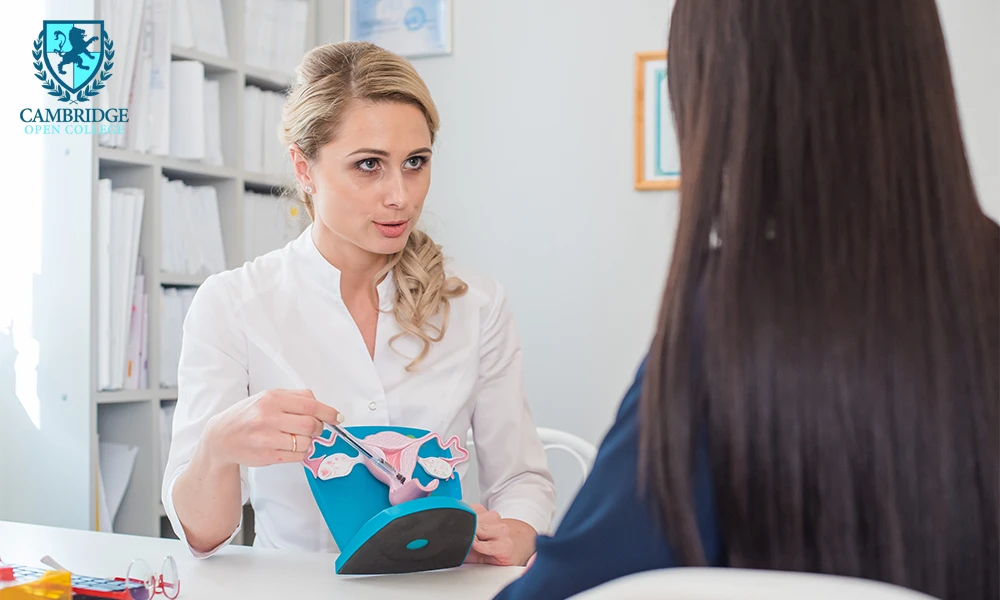
Are you dreaming of a rewarding beauty career but struggling to fit traditional college into your busy life? Correspondence courses in UK beauty therapy offer a flexible solution that lets you study at your own pace from the comfort of home. Whether you’re looking for free online beauty courses with certificates or fully accredited diplomas, distance learning has opened exciting new doors for aspiring beauty therapists across the country. In this guide, we’ll explore everything you need to know about correspondence beauty therapy courses, from qualifications and costs to career opportunities and how online training actually works.
What Are Correspondence Courses in Beauty Therapy?
Correspondence courses, also known as distance learning beauty therapy courses, allow you to train as a beauty therapist without attending a physical classroom. These online beauty therapy courses provide all your learning materials digitally, letting you study in your own time around your existing commitments.
Unlike traditional college programmes, correspondence beauty courses work around your schedule. You’ll receive course materials online, complete assignments at your own pace, and get tutor support via email or online platforms. Many courses are fully accredited by recognised awarding bodies, ensuring your qualification holds real value in the beauty industry.
The beauty of home learning is simple: whether you’re a busy parent, working full-time, or living in a remote area, you can still pursue your dream of becoming a beauty therapist.
Types of Beauty Therapy Qualifications Available
Level 2 Diplomas and Certificates
Most correspondence courses UK beauty therapy students start with a Level 2 qualification. This foundation level covers essential beauty treatments and prepares you for entry-level roles in salons or mobile beauty businesses.
A Level 2 beauty therapy course typically includes modules on facial treatments, waxing, skincare, makeup application, and health and safety. Upon successful completion of this course, you’ll have the skills to work as a professional beautician.
QLS Level 2 and Accredited Diplomas
Quality Licence Scheme (QLS) Level 2 diplomas are popular choices for home study students. These courses are fully accredited and recognised across the UK beauty industry. An accredited diploma demonstrates to employers that you’ve received quality training from a reputable learning provider.
Some distance learning courses also offer NVQ Level 2 beauty therapy qualifications, though these often require practical assessments at approved centres. NVQ courses combine home study with hands-on experience, giving you a recognised qualification that employers highly value.
Specialised Beauty Courses
Beyond general beauty therapy, you can also find online massage courses, specialist skincare programmes, and courses that help you specialise in particular treatments. Many learning providers offer multiple courses that you can complete to build a comprehensive skillset.
Benefits of Studying Beauty Therapy from Home
Distance learning courses offer numerous advantages for aspiring beauty therapists. First, you can study in your own time, fitting lessons around work, family, or other responsibilities. There’s no need to commute to college or rearrange your entire schedule.
Second, home study is often more affordable than traditional classroom courses. Many providers offer payment plans, making professional training accessible to more people. You’ll also find some free online beauty courses with certificates, perfect if you’re on a tight budget or want to explore beauty therapy before investing in a full qualification.
Third, you receive personal tutor support throughout your journey. Your tutor is available to answer questions, provide feedback on assignments, and guide you through challenging topics. This one-to-one attention often exceeds what you’d get in a busy classroom.
Finally, online learning lets you progress at a pace that suits you. Quick learners can complete their course within a shorter timeframe, whilst others can take longer if needed without pressure.
What Does a Beauty Therapy Course Cover?
A comprehensive online beauty therapy course covers all the essential skills you need to become a beauty therapist. Course materials typically include both theory and practical elements.
Core Modules
Most beauty therapy courses include training in facial treatments, teaching you about different skin types, skin analysis, and appropriate treatments for various concerns. You’ll learn professional techniques for cleansing, exfoliating, and moisturising.
Waxing is another crucial part of the course. You’ll study different waxing methods, health and safety procedures, and how to provide comfortable treatments for clients.
The course covers makeup application, showing you how to create various looks for different occasions. You’ll understand colour theory, face shapes, and professional makeup techniques.
Health and Safety
Understanding health and safety is vital in the beauty industry. Your course will cover hygiene practices, sterilisation procedures, client consultation, and how to work safely in a salon environment.
Business Skills
Many courses also include business modules, teaching you about working in a salon, building a mobile beauty business, or even visiting your clients in their homes. You’ll learn about client care, booking systems, and professional standards.
Entry Requirements for Beauty Courses
One of the best things about correspondence courses UK beauty therapy programmes is that entry requirements are usually minimal. Most courses welcome complete beginners with no previous experience.
You don’t typically need specific GCSEs or qualifications to enrol. As long as you’re enthusiastic about becoming a beauty therapist and committed to completing the course, you’re eligible to start.
Some providers set a minimum age of 16 or 18, but there are no upper age limits. Whether you’re a school leaver or considering a career change later in life, beauty therapy training is accessible to you.
Understanding Accreditation and Quality Standards
When choosing correspondence courses, accreditation is crucial. Look for courses that are fully accredited by recognised awarding bodies or regulated by Ofqual, the official qualifications regulator in England.
The Quality Licence Scheme provides accreditation for many online training programmes. QLS Level 2 qualifications are valued by employers and demonstrate you’ve completed a quality programme.
Courses are accredited when they meet specific standards for content, tutor qualifications, and assessment methods. Always check that your chosen learning provider offers courses that are fully accredited before enrolling.
Working with accredited training providers ensures you receive your certificate upon successful completion and that your qualification is recognised throughout the beauty industry.
Costs and Free Options
The correspondence courses UK beauty therapy cost varies significantly depending on the provider and qualification level.
Some training providers offer free online beauty courses with certificates UK, which are excellent for beginners wanting to test their interest before investing. However, free courses may have limited content or less comprehensive tutor support.
Most professional Level 2 qualifications cost between £200 and £800. This investment includes all learning materials, tutor feedback, assessments, and your certificate. Many providers offer payment plans, letting you spread the cost over several months.
When comparing costs, consider what’s included. Cheaper courses might seem attractive, but ensure they’re properly accredited and include adequate tutor support. Remember, you’re investing in your future career.
How Online Beauty Training Actually Works
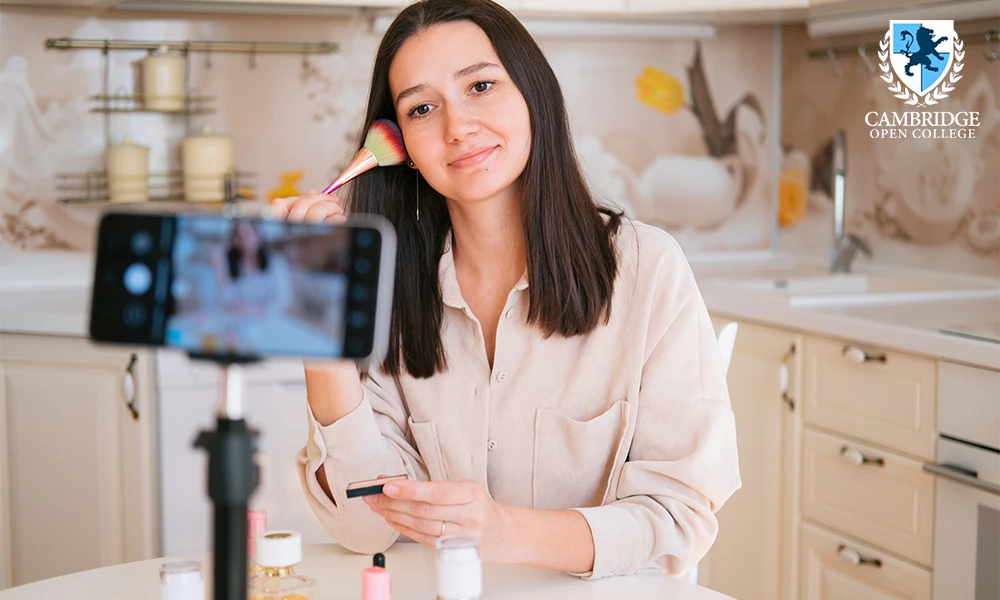
Starting an online beauty therapy course is straightforward. Once you enrol, you’ll receive access to your learning materials through an online platform. The programme typically includes written lessons, videos, diagrams, and practical demonstrations.
You’ll work through modules at your own pace, completing assignments and submitting them to your personal tutor. Your tutor provides detailed feedback, helping you improve and understand the material thoroughly.
For practical skills like facials and waxing, courses provide detailed instructions and videos. You’ll practice on friends or family members, documenting your work with photos or videos. Some courses require you to complete a certain number of practical hours.
The course works around your schedule completely. Study during lunch breaks, in the evenings, or on weekends – whatever suits your lifestyle. Most students complete the course within 3 to 12 months, depending on how much time they can dedicate.
Student support is available throughout. Whether you need clarification on course content or encouragement when things get challenging, your tutor and the provider’s support team are there to help.
Career Opportunities After Completion
Upon successful completion, numerous career paths open up. Many graduates work in a salon, starting as junior beauty therapists and progressing to senior positions. Salons, spas, hotels, and cruise ships all employ qualified beauty therapists.
Others prefer the flexibility of mobile beauty work, visiting your clients in their homes or workplaces. This option offers excellent work-life balance and the potential to build your own client base.
Some successful beauty therapists open their own salons or treatment rooms, whilst others work in complementary settings like gyms, hairdressers, or wellness centres.
Your Level 2 qualification also serves as a foundation for further training. You can specialise in advanced treatments, train in related fields like massage therapy or nail technology, or progress to Level 3 qualifications.
The beauty industry continues to grow, with strong demand for qualified professionals. A beauty therapy career offers job security, creativity, and the satisfaction of helping clients feel confident and pampered.
Choosing the Right Course Provider
With many options available, selecting the best correspondence courses UK beauty therapy programme requires research. Look for providers with positive reviews, transparent information about accreditation, and responsive student support.
Check what courses are completed by previous students and their success stories. Reputable learning providers proudly share graduate testimonials and career outcomes.
Ensure the tutor support offered meets your needs. Some students prefer quick email responses, whilst others value more detailed feedback. Understanding how your tutor is available helps set appropriate expectations.
Review what learning materials are included and whether the course covers everything you want to learn. Some programmes focus narrowly on specific treatments, whilst others provide comprehensive training across multiple beauty therapy areas.
Finally, confirm you receive your certificate promptly upon successful completion and that it’s from a recognised awarding body.
Conclusion
Correspondence courses in UK beauty therapy have transformed how people train for rewarding beauty careers. With flexible home study options, affordable costs including free courses, and fully accredited qualifications, there’s never been a better time to become a beauty therapist.
Whether you’re seeking a complete career change or want to add new skills to your portfolio, distance learning courses provide a practical pathway. With dedicated tutor support, quality course materials, and the ability to study in your own time, you can achieve your beauty therapy dreams without disrupting your current life.
Ready to start your beauty therapy journey? Explore our accredited Level 2 beauty therapy diploma and take the first step towards an exciting, creative career that brings confidence and beauty to clients every day.