Month: December 2025

Home Study Courses UK: Get Qualified Without the College Commute

Do you want a better job, but can’t afford to quit working to study? Are you worried that “going back to school” means sitting in a classroom with teenagers? You are not alone. Thousands of adults across the UK are stuck in jobs they don’t like because they think retraining is too hard or too expensive. But there is a solution. Home study courses UK allow you to gain professional qualifications from your sofa. You can learn at your own pace, fit your studies around your family, and get the certificate you need to start a new career.

In this guide, we will explain exactly how distance learning works, what subjects you can study, and how to spot the difference between a “free hobby course” and a real professional qualification.

What Are Home Study Courses?

Home study courses (often called distance learning) are qualifications that you complete entirely online. There are no classrooms to visit and no strict timetables to follow.

When you enrol with Cambridge Open College, the process is simple:

  1. Online Learning: You access all your study materials through our secure learner portal.

  2. Flexible Study: You choose when to study. Whether it is 30 minutes in the evening or a few hours on the weekend, you fit the course around your life.

  3. Tutor Support: You are never alone. You will have a personal tutor a real human expert who marks your assignments and answers your questions.

This method is perfect for busy adults who need flexible online courses to juggle work, childcare, and education.

Popular Home Study Subjects in the UK

Unlike a university degree which takes 3 years, our vocational short courses are designed to get you job-ready in months. We specialise in sectors where there is a high demand for staff.

Here are some of our most popular online options:

  • Teaching Assistant: Do you want to work in a school? Our [Teaching Assistant Diploma] is the industry standard for support staff.

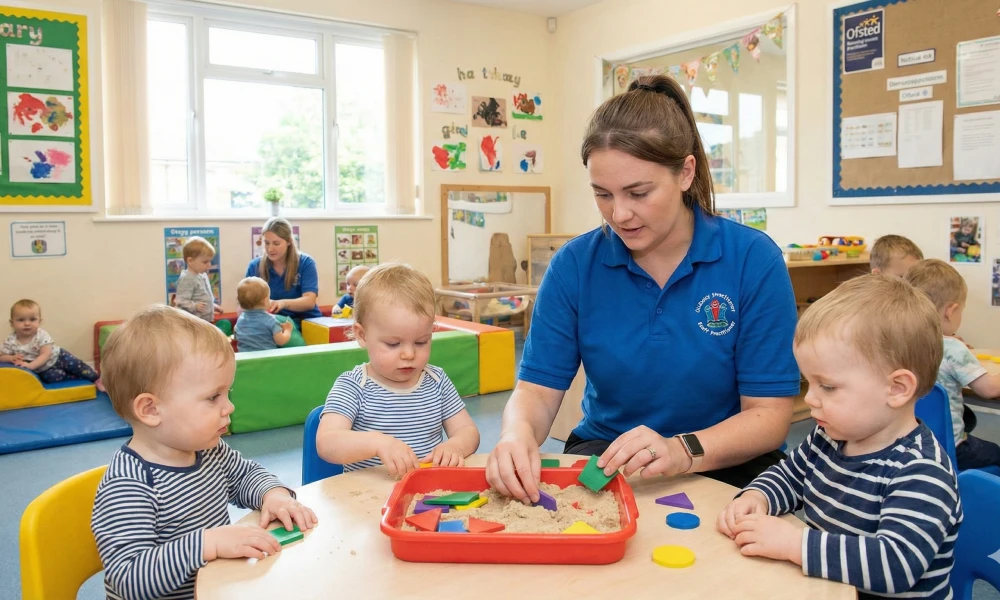
  • Childcare: If you love working with children, our [Early Years Qualifications] allow you to work in nurseries and pre-schools.

  • Assessing (TAQA): For experienced professionals who want to teach others, our [Assessor Courses] are the perfect way to upskill.

  • Health and Social Care: We offer a wide range of courses to help you support vulnerable people.

Whether you are looking for a Level 2 certificate or an advanced Level 3 diploma, we have a pathway for you.

Accredited vs. Free Courses: What is the Difference?

When you search on Google, you might see terms like “free online home study courses uk” or “free courses online with certificates uk”. It is very important to understand the difference.

Free Courses (The Hobby Route) There are many free online courses uk government sites that offer short taster sessions. These are great for general interest, but they rarely offer a regulated qualification. A “completion badge” from a free site is unlikely to impress an employer.

Accredited Courses (The Career Route) If you want a job, you need a qualification that is nationally recognised. Employers look for certificates from official awarding bodies like Focus Awards. These qualifications sit on the RQF (Regulated Qualifications Framework).

To offer these high-standard qualifications, we have to pay registration fees and employ expert tutors. That is why best online courses  with certification are paid courses. They are an investment in your future employability.

How Does Enrolment and Payment Work?

We believe that education should be accessible to everyone. You shouldn’t have to worry about a huge upfront cost. We offer a range of finance and payment options to suit your budget. You can choose to pay in full, or spread the cost using Klarna or an instalment plan. This allows you to start your distance learning course immediately without financial stress. Enrolment is quick and easy. You can sign up online 24/7 and start your learning experience the same day.

Who Can Do These Courses?

One of the most common questions we get is: “Which course is best for a 60 year old?”

The answer is: Any of them.

Home learning is for everyone. We have students aged from 18 to 80. Whether you are looking for a new career or just want to keep your brain active, you are welcome here. People also ask: “What is the quickest degree to get in the UK?” At Cambridge Open College, we focus on vocational training rather than academic degrees. A vocational Level 3 Diploma can often be completed in 6-12 months. This is much faster than a 3-year undergraduate degree and often leads directly to a specific job.

Why Choose Cambridge Open College?

With so many providers out there (like Open Study College or Oxford Home Study), why should you choose us?

  • Personal Touch: We are not a faceless corporation. We offer dedicated student support.

  • Trustpilot Reviews: Don’t just take our word for it. Check our Trustpilot score to see what our happy students say.

  • Fully Accredited: We are an authorised and regulated centre. Your certificate is the real deal.

Conclusion

You don’t need to be stuck in a job you hate. You don’t need to worry about being “too old” or “too busy” to learn. With home study courses UK, you have the power to change your life from your living room. Take the first step today. Browse our range of online courses and find the perfect qualification to launch your new career.

The Ultimate Guide to Online Distance Learning Courses in the UK

Life is busy. Between work, family, and the school run, finding time for yourself can feel impossible. You might dream of changing careers or getting a promotion, but the idea of going back to a classroom is just not realistic. How can you get qualified without quitting your job or sacrificing your family time? The answer is online distance learning courses. Studying from the comfort of your own home has never been easier. Thousands of adults across the UK are using this method to retrain, upskill, and change their lives. In this guide, we will explain exactly how it works, the different types of courses available, and how you can get started today.

What is Distance Learning?

Distance learning is exactly what it sounds like. It allows you to study for a qualification without physically attending a college or university. Gone are the days of rigid timetables and commuting in rush hour traffic. With online learning, the classroom comes to you. You access your course materials through a computer or tablet, allowing you to study at your own pace. Whether you are an early bird who likes to study at 5 am, or a night owl who prefers the evenings, flexible study means you fit your education around your life, not the other way around.

The Benefits of Distance Learning Courses for Adults

The Benefits of Distance Learning Courses for Adults

Why are so many people choosing this route? Here are the main advantages of distance learning courses for adults.

1. Flexibility

This is the biggest benefit. You are in control. If you have a busy week at work, you can pause your studies. If you have free time, you can power through a module. This flexibility makes it possible for parents and full-time workers to gain new qualifications.

2. Lower Cost

University degrees and physical college courses are expensive. You have to pay for travel, textbooks, and often high tuition fees. Online distance learning courses are generally much more affordable. Plus, because you can keep working while you study, you don’t lose your income.

3. Speed

Do you want to wait three years to start your new career? Probably not. Vocational distance learning courses are designed to be practical and fast. Many of our students complete their diplomas in just 6 to 12 months.

Types of Courses: Degree vs. Vocational

When you start searching, you might look for distance learning universities UK or open university distance learning courses. It is important to understand the difference between academic degrees and vocational qualifications.

University Degrees (The Academic Route) Universities, like the Cambridge Open University, are great if you want a degree in a subject like History, English Literature, or Law. However, these are “Academic” routes. They typically take 3 to 6 years to complete and focus on theory and essay writing.

Vocational Courses (The Career Route) If your goal is to get a specific job, a vocational course is often the better choice. These are practical qualifications (like Level 2 or Level 3) that train you for a specific role.

At Cambridge Open College, we specialise in these career-focused courses.

  • Want to work in a nursery? Our [Childcare Courses] are popular for those wanting to start a career in early years.

  • Want to work in a school? Check out our [Teaching Assistant Qualifications] which get you ready for the classroom.

  • Want to teach adults? Experienced professionals can upskill with our [Assessor Courses].

While online degrees have their place, our distance learning options are designed to get you into a job faster.

How Does It Work?

If you have never studied online before, it might seem daunting. But the process is simple and supportive.

  1. Enrol Online: You can sign up for a course at any time of year. There are no term dates.

  2. Get Your Materials: You will receive access to your learning materials. This includes study guides and assignments.

  3. Meet Your Tutor: You are not alone. You will be assigned a personal tutor. They are a subject expert who will mark your work and guide you through the course.

  4. Get Certified: Once you pass your assignments (and placement if required), you receive a nationally recognised certificate from an awarding body like Focus Awards

Are Online Courses Recognised?

This is a common question. “Is an online qualification ‘real’?” Yes, absolutely. The value of a qualification comes from the awarding organisations, not the building you sat in to study it. We offer accredited courses regulated by Ofqual. This means that a Level 3 Diploma you earn with us has the same status as one you would get from a local college. Employers across the UK recognise and value these certificates. Whether you are studying Health and Social Care or Mental Health, your certificate proves you have the skills and knowledge required for the job.

How to Choose the Best Course

With so many providers out there, how do you find the best online distance learning courses? Check the Accreditation Always look for “Regulated” qualifications. If a course doesn’t mention an awarding body (Focus Awards), it might not be recognised by employers. Beware of “Free” Courses You might be tempted to search for distance learning courses free. We need to be honest here. While you can find free online courses for hobbies, they rarely offer professional value. A free online course usually gives you a generic “completion badge”. It does not give you a professional training certificate. To get a qualification that actually helps you get a job, you need a course that includes tutor marking and official certification. This requires a small investment, but the return on that investment is a new career.

Conclusion

The world is your classroom. You no longer need to put your life on hold to get the education you deserve. Distance learning allows you to upskill, retrain, and improve your prospects from your own living room. Whether you have 2 hours a week or 10, there is a path for you. Are you ready to take the next step? Browse our wide range of distance learning and online courses today. From Childcare to Education, we have the right qualification to help you succeed.

Distance Learning Teaching Assistant Courses: Your Guide to Qualifying from Home

Do you want a career that fits perfectly around your family life? Are you looking for a job that is rewarding, stable, and lets you enjoy the school holidays with your own children? If so, becoming a Teaching Assistant (TA) is a fantastic choice. With the demand for school support staff rising across the UK, there has never been a better time to start. But what if you can’t go back to college full-time? That is where distance learning teaching assistant courses come in. In this guide, we will explain how you can qualify from home, which course level is right for you, and the truth about “free” qualifications.

Why Become a Teaching Assistant?

The teaching assistant role is vital in modern education. You are not just there to wash paint pots. You are there to support the teacher and help students achieve their potential. It is a varied role. One minute you might be helping a child with reading, and the next you are setting up a science experiment.

The benefits are huge:

  • Term-time working: Perfect for parents.

  • Job Satisfaction: Seeing a child “get it” for the first time is an amazing feeling.

  • Career Progression: You can move up to become a Higher Level Teaching Assistant (HLTA) or even a qualified teacher.

Understanding the Levels: Which Course is Right for You?

Understanding the Levels: Which Course is Right for You

When looking at teaching assistant courses online, the options can be confusing. What is the difference between a Level 2 and a Level 3? Here is a simple breakdown to help you choose the best course for teaching assistants based on your experience.

Level 2: The Starter

If you have no experience in schools, this is your starting point. The Level 2 Award in Support Work in Schools or the Level 2 Certificate in Supporting Teaching and Learning gives you the foundational knowledge.

  • Best for: Beginners and parent helpers.

  • Focus: Child protection, communication, and schools as organisations.

Level 3: The Standard

The Level 3 Diploma in Supporting Teaching and Learning is the most popular qualification. It is often required by schools for permanent roles. It covers everything in Level 2 but goes much deeper.

  • Best for: Those who want a serious teaching assistant career or are already volunteering.

  • Focus: Supporting learning activities, assessment for learning, and safeguarding.

Level 4: The Expert

Once you are experienced, you can take a Level 4 Certificate for the Higher Level Teaching Assistant (HLTA) role. This allows you to teach classes on your own to cover teacher absence.

Can You Do a TA Course Online?

Yes, absolutely. Thousands of students qualify every year through online teaching assistant courses.

How does it work?

  1. Theory: You study the course materials online via our learner portal.

  2. Tutor Support: You have a personal tutor who marks your assignments and guides you.

  3. Placement: This is the most important part. To get a full RQF qualification (Regulated Qualifications Framework), you usually need to volunteer in a school for a few hours a week.

This blend of study from home and practical experience ensures you are fully ready to work in schools.

Specialising: Special Educational Needs (SEN)

Many TAs choose to specialise in Special Educational Needs (SEN). Schools are always looking for staff who understand how to support children with Autism, ADHD, or other learning difficulties.

You can take specific courses like the Level 3 Award in Supporting Children and Young People with Autism. Adding this to your CV makes you highly employable.

Free vs. Accredited Courses: What You Need to Know

When you search Google, you might see terms like “free distance learning teaching assistant courses” or “government funded teaching assistant courses online”. We understand that everyone loves a bargain. However, it is important to be careful. The Reality of Free Courses: While you can find free online teaching assistant courses with certificates, these are often just “completion certificates”. They are not usually the fully accredited Focus awards qualifications that headteachers look for. Most government funded teaching assistant courses online free are restricted to people who are currently unemployed and claiming benefits. Why Choose a Paid Accredited Course? At Cambridge Open College, our courses are fully accredited on the RQF. This means they are nationally recognised. Employers know that a Level 3 Certificate from us means you have met the strict standards of the industry. We offer flexible payment plans to make your learning affordable, ensuring you get a qualification that actually leads to a job.

How to Start Your Career with Cambridge Open College

If you are ready to become a teaching assistant, we are here to help.

  • Tutor Support: You are never alone. Our expert tutors are just a message away.

  • Flexible Courses: There are no term times. You can start your distance learning teaching assistant courses today and learn at your own pace.

  • Fully Accredited: We only offer recognised qualifications like Focus Awards

Don’t wait for the next school year.

Start your journey today. Whether you choose a Level 2 Certificate or a Level 3 Diploma, you are taking the first step towards a rewarding new career in education.

The Complete Guide to Online Child Care Courses in the UK

Do you dream of a career working with children, but don’t have the time to attend a local college? You are not alone. For many adults, balancing a job, family life, and education feels impossible. The idea of sitting in a classroom at 9:00 am every Monday is simply not an option. The good news is that the education sector has changed. You can now gain a fully recognised qualification from the comfort of your own home. With online child care courses in the UK, you can change your career path without quitting your current job. In this guide, we will explore how distance learning works, which level is right for you, and the truth about “free” online courses.

Can You Get a Childcare Qualification Online?

One of the most common questions we get is: “Can you get a childcare qualification online?”

The answer is a resounding YES.

Many people worry that online childcare courses are not “real” or that employers won’t accept them. This is a myth. As long as the qualification is accredited by a recognised awarding body—such as Focus Awards —it holds exactly the same value as a certificate earned at a physical college. “Are online courses recognised in the UK?” Yes. Nurseries and schools care about the certificate, not where you sat while you studied the theory. Whether you study in a classroom or at your kitchen table, the Level 3 Diploma is the industry standard.

However, there is one important rule. While you can study the theory online, you cannot learn to care for children entirely from a computer screen. To get a full licence to practice, you will need to complete a practical placement in an early years setting.

Choosing the Right Level for You

If you are looking for childcare courses online uk, you will see different “Levels”. It is vital to choose the one that matches your career goals.

Level 1: Introduction to Caring

This is for absolute beginners. You might search for online childcare courses level 1 or a cache level 1 diploma if you just want a taster. It is great for building confidence but typically does not qualify you to work with children unsupervised.

Level 2: The Nursery Assistant (The Starter)

The Level 2 Certificate in Understanding Children and Young People is the standard entry-level qualification. It allows you to work as a nursery assistant or early years practitioner under supervision.

  • Who is it for? Beginners who want to start their career quickly.

  • Key Topics: Safeguarding, child development, and health and safety.

Level 3: The Early Years Educator (The Pro)

This is the “Gold Standard”. Level 3 Diploma for the Early Years Workforce (Early Years Educator) allows you to become a Room Leader or a Nursery Manager.

  • Who is it for? People who want a serious career in childcare with higher salary potential.

  • Search Term: “Which course is best for child care?” -> This is usually the answer employers are looking for.

How Does Online Childcare Training Work?

How Does Online Childcare Training Work

Studying a course online gives you total control. You don’t have to wait for “term time” to start. Here is how the process works with Cambridge Open College:

  1. Enrol Online: You can sign up instantly and get access to your materials.

  2. Learner Portal: You log in to a dedicated portal to read your lessons and learning course materials.

  3. Tutor Support: You are assigned a personal tutor. They mark your assignments and help you if you get stuck.

  4. Placement: You volunteer or work in a local nursery or school to gain your practical hours. Your tutor will guide you on how to evidence your skills.

The Truth About “Free” Online Childcare Courses

When searching on Google, you might see terms like “free online childcare courses with certificates uk” or “nvq level 2 childcare online course free“. We believe in being honest with our students. It is important to understand the difference between a “free resource” and a “professional qualification”. While you can find free information online, or perhaps a short free government funded childcare courses online (often for unemployed individuals at local colleges), these are rarely the full diplomas you need to get hired.

To work in a regulated environment like a nursery, you need a courses with certificates that are accredited. This accreditation involves costs for:

If you find a “free” course, check carefully. Does it offer a recognised certificate? Often, these are just “completion badges” that do not count towards your early years educator status. Investing in a paid, recognised course is investing in your future salary.

Why Study with Cambridge Open College?

We specialize in helping busy adults get qualified.

  • Flexible Online Study: No deadlines. No exams. You study at your own pace, fitting your learning around your family.

  • Expert Tutors: Our team consists of early years experts who have worked in the sector.

  • Affordable: We offer interest-free payment plans so you can spread the cost of your training.

Conclusion

There has never been a better time to join the early years sector. With a shortage of qualified staff, nurseries are crying out for skilled people. You don’t need to quit your job to retrain. With online child care courses in the UK, you can gain the knowledge of child development and the practical skills you need from home. Whether you want to be a home based childcare provider or work in a busy school, the journey starts here.

The Complete Guide to Childcare and Education Courses in the UK

Do you want a career that makes a real difference? Do you have a passion for helping young children learn and grow? If you answered yes, then a career in the Early Years sector could be perfect for you. It is one of the most fulfilling jobs you can do. Every day, you get to shape the future of the next generation. However, getting started can be confusing. There are so many different qualifications, levels, and certificates. You might be wondering, “Which course is right for me?” or “Do I need to go to college?”

In this complete guide, we will explore the best childcare and education courses in UK. We will break down the difference between Level 2 and Level 3, explain how online study works, and help you find the perfect pathway to your new career.

Why Choose a Career in Childcare and Education?

Why Choose a Career in Childcare and Education

Working with children is not just a job; it is a rewarding career. The early years sector in the UK is booming, and there is a high demand for qualified staff. Whether you want to work in a nursery, a pre-school, or even as a private childminder, the opportunities are endless. You could become a:

The best part? You don’t always need a university degree to get started. With the right vocational training, you can start earning and learning quickly.

Understanding the Levels: Level 2 vs. Level 3

When you start looking for childcare and education courses, you will see the terms “Level 2” and “Level 3” everywhere. It is vital to understand the difference so you don’t pick the wrong one.

Level 2: The Perfect Starting Point

If you have no experience, the Level 2 childcare qualification UK is often the best place to start. This course is designed for beginners. It teaches you the basics of child development, safeguarding, and how to support children in their play. A Level 2 qualification, such as the Certificate in Introduction to Early Years Education and Care, allows you to work as a nursery assistant. However, you will usually need to work under supervision.

Level 3: The “Gold Standard”

If you want to be a fully qualified Early Years Educator, you need a Level 3 qualification. This is often referred to as the NCFE CACHE Level 3. Employers love this qualification. It allows you to work unsupervised and even manage a room of children. It covers deeper topics like the Early Years Foundation Stage (EYFS) curriculum and observing learning activities.

Summary:

  • Level 2: Ideal for assistants and beginners.

  • Level 3: Required for “Educator” status and management roles.

Can I Study Childcare Online?

Yes, absolutely. The world of education has changed. You no longer need to sit in a classroom every day to get qualified. Many students choose childcare and education courses in uk online. This offers flexible study that fits around your life. You can read your learning materials and complete assignments at home. However, childcare is a hands-on job. That is why the best childcare and education courses in uk will always include a practical placement. Even if you study the theory online, you will need to spend time working in a real early years setting (like a nursery or school) to build your skills and confidence. This combination of theoretical knowledge and hands-on experience ensures you are ready for the workplace.

What Qualifications Do I Need to Work in Childcare in the UK?

This is the most common question we get: “What qualifications do I need to work in childcare in the UK?” Legally, you can work in a nursery as an “unqualified” assistant, but your career progression will be stuck. To be counted in the staff-to-child ratios as a qualified member of staff, you need at least a Level 2. To lead a room or become a manager, the Department for Education requires a “full and relevant” Level 3 qualification. You may also need to think about Maths and English. Many employers will ask for GCSEs or Functional Skills alongside your childcare certificate.

A Note on “Free” Courses

You might be tempted to search for an nvq level 2 childcare online course free. It is important to be careful here. While there are some short, introductory courses available for free, they rarely offer a full qualification.

If you want a professional qualification that employers recognise (like NCFE CACHE), there is usually a cost involved to cover the assessment, tutor support, and certification. Be wary of free government funded childcare courses online unless they are from a recognised college provider.

How to Choose the Best Course for You

With so many options, how do you decide? Here is a checklist to help you find the perfect course:

  1. Check the Accreditation: Look for names like Focus Awards. These are the “gold standard” awarding bodies. If a course isn’t accredited, it might not help you get a job.

  2. Check the Placement: Does the course require a placement? If you want to be a practitioner, you must have practical experience working with children and young people.

  3. Check the Support: Will you have a tutor? Studying online is great, but you need an expert to mark your work and guide you.

“Which degree is best for early childhood education?” If you want to go to university, a degree in “Early Childhood Studies” is a popular choice. However, remember that a university degree takes 3 years and can be expensive. Many people prefer the Level 3 Diploma because it is faster, cheaper, and gets you into the workplace sooner.

Career Pathways: Where Can This Qualification Take You?

Once you have your certificate, your career can grow rapidly. Here is a typical pathway:

  1. Nursery Assistant: You start here with a Level 2 or whilst training.

  2. Early Years Educator: With your Level 3, you are a key person for a group of children.

  3. Room Leader: You manage a specific age group (e.g., the baby room).

  4. Deputy Manager / Manager: You run the whole setting.

  5. Assessor / Tutor: Once you are experienced, you can teach others!

Some students also use their Level 3 childcare course as a stepping stone to university to gain UCAS points for teacher training or nursing.

Conclusion

Starting a career in childcare is one of the best decisions you can make. It offers job security, variety, and the chance to shape young lives. Whether you are looking for early childhood education courses in uk for international students or you are a local parent wanting to return to work, there is a course for you. Don’t let confusion about levels stop you. Remember: Level 2 is for starting out, and Level 3 is for stepping up.

IQA Courses Explained: The Ultimate Guide to Level 4 Internal Quality Assurance

Have you mastered the art of assessing? If you are already a qualified assessor holding a CAVA or A1 certificate, you might be wondering what comes next. The natural next step in your career is to move into Internal Quality Assurance (IQA). Becoming an IQA allows you to stop assessing students directly and start managing the quality of education. It is a step up the ladder, often coming with a higher salary and more responsibility. However, finding the right training can be confusing. There are different types of IQA courses available, and picking the wrong one can be a costly mistake.

In this guide, we will explain everything you need to know about the Level 4 IQA course online, the costs, and which qualification you actually need to get the job.

What is an Internal Quality Assurer (IQA)?

What is an Internal Quality Assurer

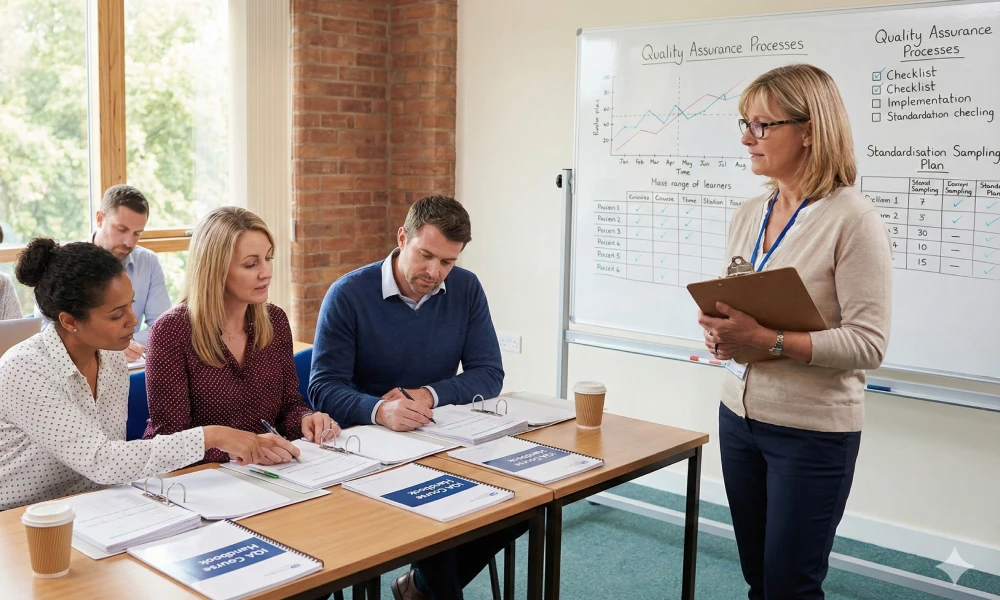
An Internal Quality Assurer (IQA) is responsible for maintaining high standards within a training centre or college. While an assessor checks the student, the IQA checks the assessor. Your job is to ensure that assessment decisions are fair, consistent, and valid. You will monitor the quality of assessment across the organisation. This involves sampling student portfolios, observing assessors, and giving feedback to your team. You act as the “gatekeeper” of quality. You ensure that when an external verifier (from an awarding body like City & Guilds or NCFE) visits, everything is perfect.

The Different Types of IQA Courses

This is where many people get confused. “IQA” is not just one single course. It is a suite of regulated qualifications. Depending on your career goals, you need to choose the right level. Here is a breakdown of the three main options.

1. Level 4 Award in Understanding the Internal Quality Assurance of Assessment Processes and Practice

This is often called the “knowledge-only” unit. It is a theory-based course.

  • Who is it for? This is for managers or completely new staff who need to know how IQA works but will not be doing the job themselves.

  • Important: This qualification does not qualify you to work as an IQA.

2. Level 4 Award in the Internal Quality Assurance of Assessment Processes and Practice

This is the standard, industry-recognised qualification. It combines the theory unit (above) with a practical unit where you assess the work of two assessors.

  • Who is it for? Anyone who wants to work as a practicing IQA. This is the most popular choice.

3. Level 4 Certificate in Leading the Internal Quality Assurance of Assessment Processes and Practice

This is the most advanced qualification. It is known as the Lead IQA course.

  • Who is it for? This is for people who manage a whole team of IQAs. You will learn how to produce work plans, manage staff, and handle external visits.

What Qualifications Do I Need to Be an IQA?

To enrol on a level 4 iqa course online, you typically need to meet a few requirements. First, you must be a qualified assessor. You should hold the Level 3 CAVA (Certificate in Assessing Vocational Achievement) or the older A1/D32 qualifications. Second, you need occupational competence. This means you must be an expert in the subject you are quality assuring. For example, if you are quality assuring construction courses, you must have a background in construction. Clarification on Levels: Sometimes people search for an “iqa qualification level 3”. It is important to know that this does not exist. All IQA qualifications are Level 4. This reflects the fact that it is a management-level role that requires a higher level of responsibility than assessing.

How Long Does an IQA Qualification Take?

One of the most common questions we get is: “How long does an IQA qualification take?” Because our IQA courses online are self-paced, the timeline is up to you. However, most learners complete the standard Award in 3 to 6 months. If you choose the Lead IQA course (Certificate), it may take 6 to 12 months because there is more work involved. You will need to gather evidence, write assignments, and observe assessors in your workplace. With our flexible system, you can fit this around your current job.

IQA Salary and Career Progression

Investing in your education is a big decision, so you want to know the return on investment. How much does an IQA earn? Salaries vary depending on the sector, but a qualified IQA in the UK typically earns between £25,000 and £35,000 per year. Experienced Lead IQAs or those working in specialised sectors (like engineering or offshore energy) can earn significantly more, often exceeding £40,000. There is also a strong market for freelance IQAs. Many training centres hire contractors to check portfolios for a few days a month. This can be a lucrative way to boost your income alongside a full-time job.

The Truth About Costs

You might be searching for a free iqa qualification. We need to be honest: fully accredited, regulated qualifications are rarely free. There are costs involved in registration, certification, and tutor support. While you may find free information online, you cannot get a certificate that employers respect without paying for a proper course. However, the iqa qualification cost is an investment. The increase in salary potential usually pays for the course fee within the first few months of working in your new role.

Why Choose Cambridge Open College?

When you study with us, you are choosing quality and flexibility.

  • Accredited & Regulated: Our courses are Highfield Level 4 Award or TQUK accredited. These are regulated by Ofqual, meaning your certificate is recognised by employers across the UK.

  • Expert Tutor Support: You are never alone. You will be assigned a personal tutor who will guide you through the assessment processes and practice.

  • Flexible Learning: You can study whenever and wherever you want. There are no strict term times.

Whether you are looking for a standard IQA qualification online or the advanced Lead IQA certificate, we have a pathway that suits you.

Conclusion

Becoming an Internal Quality Assurer is a fantastic way to progress your career in vocational education. It allows you to step back from direct teaching and focus on maintaining standards and helping other staff improve. If you are ready to ensure the quality of assessment in your sector, it is time to get qualified. Don’t settle for being just an assessor. Take the next step.

Everything You Need to Know About Assessing Vocational Achievement (CAVA)

Are you tired of the daily grind? Do you have years of experience in your trade but find yourself physically exhausted at the end of the week?

Many professionals reach a point where they want to get off the tools or the shop floor. They want to share their skills without the physical stress. If this sounds like you, becoming a qualified assessor is a fantastic career move.

The key to unlocking this new career path is the Level 3 Certificate in Assessing Vocational Achievement. This qualification gives you the power to assess the next generation of workers in your industry.

In this guide, we will explain exactly what this course is, who it is for, and how it can change your working life.

What is the Level 3 Certificate in Assessing Vocational Achievement?

The Level 3 Certificate in Assessing Vocational Achievement is often shortened to “CAVA”. It is the industry-standard qualification for anyone who wants to assess learners for an accredited qualification.

In the past, you might have heard of the “A1 assessor award” or the “D32/33 units”. The CAVA qualification has replaced these. It is the most modern and comprehensive assessor qualification available in the UK today.

This fully accredited course qualifies you to assess occupational competence. This means you can observe someone doing their job in their workplace. It also allows you to assess vocational skills in a classroom or training environment.

Who is this Qualification For?

This qualification is for experienced professionals. You do not need a university degree to become an assessor. What you need is occupational competence. This means you must be good at what you do.

Whether you are a hairdresser, a construction worker, or an early years educator, your experience is valuable. Colleges and training providers need people like you to check that their students are meeting the right standards.

Example: Assessing in the Early Years Sector

Let’s look at a practical example. The early years sector is huge in the UK. There is a massive demand for assessors here.

If you have a Level 3 Diploma for Working in the Early Years or have worked as a manager in a nursery, you already have the knowledge. You understand child development and how to support children.

By getting your Assessing Vocational Achievement certificate, you could work for a training provider. You would be responsible for assessing students who are currently studying:

  • Online childcare courses level 3

  • NCFE CACHE Level 3 Diploma for the Early Years Workforce

  • Level 2 Certificate in Understanding Children and Young People

Many students ask, “Can you get a childcare qualification online?” The answer is yes, but they still need a qualified assessor to observe them in their workplace. That is where you come in.

You could be the person signing off a student’s portfolio for an NVQ Level 3 childcare online course. You might observe a student demonstrating how to safeguard children or how they apply child psychology in a real setting.

Even for students looking for free online childcare courses with certificates UK, the assessment process must be rigorous. As a CAVA-qualified professional, you ensure that the early years practitioner of tomorrow is ready for the job.

What Will You Learn on the CAVA Course?

The CAVA course is designed to be practical. It prepares you for the real world of assessment. You will cover three main units during the training course.

What Will You Learn on the CAVA Course

Unit 1: Understanding the Principles and Practices of Assessment

This is the knowledge-based part of the course. You will learn the legal requirements and the rules of assessment. You will learn about the responsibilities of an assessor, including how to support learners with different needs.

Unit 2: Assessing Competence in the Work Environment

This unit is vital. It teaches you how to watch a learner doing their job. For example, if you are assessing health and social care, you might observe a learner working in a care home. You will learn how to check if they are working safely and following the correct standards.

Unit 3: Assessing Vocational Skills, Knowledge and Understanding

This unit focuses on assessing outside of the workplace. This could be in a workshop, a classroom, or via an online course. You will learn how to look at student work, such as essays or projects, and decide if they have met the criteria.

Career Opportunities: Why Become an Assessor?

Taking a Level 3 Certificate in Assessing Vocational Achievement opens many doors. Here are the main benefits of making the switch.

1. Flexible Working

Many assessors work on a freelance basis. This allows you to manage your own diary. You might spend two days visiting learners in early years settings or on building sites, and the rest of the week marking work from home. This is perfect if you are looking for a better work-life balance.

2. High Demand

Training providers are always looking for qualified staff. There is a particular shortage of assessors for specialized subjects like understanding autism, mental health course units, and care for children. If you have niche skills and the CAVA qualification, you will be highly employable.

3. Helping Others Succeed

There is a great sense of satisfaction in helping a learner achieve their goals. When you sign off a student’s Level 3 Diploma, you are helping them start their career. You are making a difference in the lives of learners across the UK.

4. Continued Professional Development (CPD)

Once you are a qualified assessor, you can go further. You might decide to take a Level 4 Internal Quality Assurance (IQA) course later. This allows you to manage other assessors. You could also move into teaching by taking the Level 3 Award in Education and Training.

Common Questions About the Industry

We often get asked specific questions about the industries our graduates go into. Here is how your new qualification fits in.

“What certification should I get for childcare?” If you want to work with children, you need an Early Years Educator qualification (usually Level 3). However, if you want to assess the people working with children, you need the Assessing Vocational Achievement certificate.

“Is there any 6 month course in the UK?” Most vocational courses, including the CAVA, can be completed in less than 6 months. Because our course is self-paced, many of our learners finish much faster than this.

“Can I get a childcare certification online?” Yes, many students study theory online. However, for a recognised childcare qualification like the NCFE CACHE Level 3, practical observation is required. This is why the industry needs you as an assessor.

How to Get Started

You can begin your journey to becoming a qualified assessor today. At Cambridge Open College, we offer the Level 3 Certificate in Assessing Vocational Achievement as a fully flexible online course.

Why study with us?

  • Tutor Support: You are not alone. You get a dedicated tutor to guide you through the course.

  • Nationally Recognised: Our qualification is fully accredited and recognised across the UK.

  • Flexible Learning: You can study from home, at your own pace. There are no strict deadlines.

This course is suitable for anyone who wants to advance their career. Whether you are currently working in early years, engineering, beauty, or business, this qualification is the bridge to your new role.

Conclusion

The Level 3 Certificate in Assessing Vocational Achievement is more than just a certificate. It is a passport to a new, flexible, and rewarding career.

It allows you to use your hard-earned experience to guide others. Instead of doing the heavy lifting yourself, you can use your knowledge and skills to ensure standards are met in your industry.

From assessing a Level 2 certificate in understanding children to signing off a plumbing portfolio, the opportunities are endless.

Don’t let your experience go to waste.

Take the first step towards your new career today. Enrol on our Level 3 CAVA course and start making a real difference in your sector.

The Ultimate Guide to Education and Training Courses in the UK

Are you thinking about a career in teaching? Perhaps you are an expert in your field whether that is beauty therapy, engineering, or business and you want to pass that knowledge on to others. The education sector is one of the most rewarding industries to work in, offering stability and the chance to make a real difference.

To get started, you need the right qualifications. This is where education and training courses come in.

In this guide, we will explore the best education and training courses UK learners can take to become qualified teachers. We will look at the different levels, from beginner to expert, and help you decide which online course is right for you.
What Are Education and Training Courses?

Simply put, education and training courses are vocational qualifications designed for people who want to teach in the “lifelong learning sector.” This includes Further Education (FE) colleges, adult education, private training centres, and work-based learning.

Unlike becoming a primary or secondary school teacher (which usually requires a university degree and a PGCE), teaching in the FE and skills sector focuses on your vocational skills. If you have skills and knowledge in a specific trade or subject, these courses teach you how to teach that subject effectively.

At Cambridge Open College, we offer a range of accredited courses that are recognised across the UK. Whether you are looking for a foundation course or a full diploma, we have the right online training pathway for you.

Understanding the Levels of Teacher Training

Understanding the Levels of Teacher Training

If you search for find teacher training courses, you might see terms like “Level 3,” “Level 4,” and “Level 5.” It can be confusing if you are new to the RQF (Regulated Qualifications Framework).

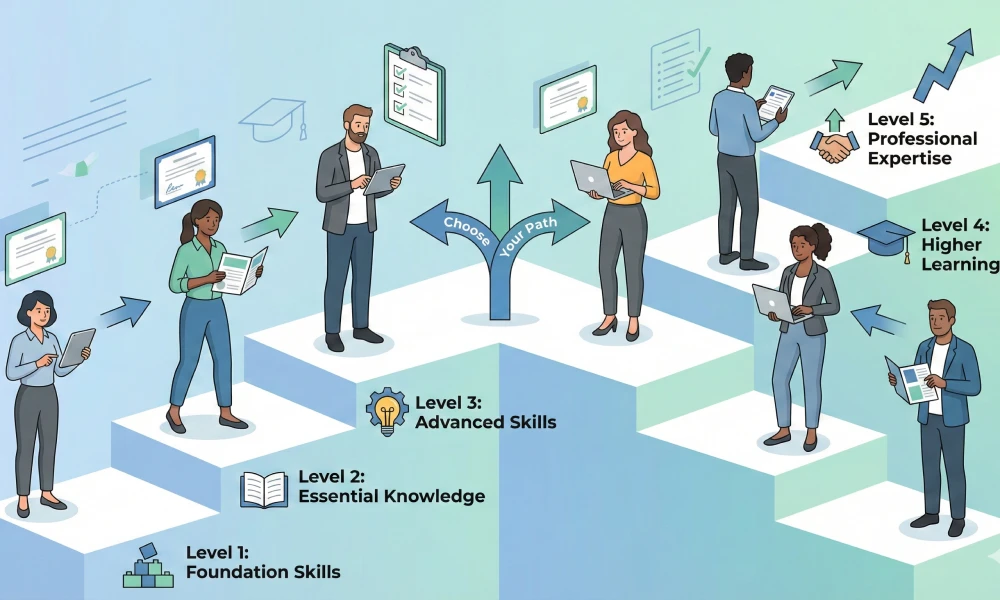
Think of these levels as a ladder. You start at the bottom and climb up as you gain more experience and responsibility.

The Foundation: Level 3 Award in Education and Training (AET)

This is the most popular starting point. You might remember the old PTLLS course (Preparing to Teach in the Lifelong Learning Sector). The Level 3 Award in Education and Training (AET) is the modern replacement for PTLLS.

This is the first stage teaching qualification. It is perfect for beginners because you do not need to be currently working in a school or college to take it.

  • Who is it for? Anyone who wants to start a career in teaching.
  • What will you learn? You will gain a fundamental understanding of the roles and responsibilities of a teacher. You will learn how to plan a simple lesson and how to maintain a safe learning environment.
  • Key Requirement: You only need to do a short “micro-teach” session (which can often be done via video recording).

If you want to test the waters before committing to a long career, the Level 3 AET is the best choice.

Level 4 Certificate in Education and Training (CET)

Once you have some experience, or if you are already in a teaching role, you might look at the Level 4 Certificate in Education and Training.

This course goes deeper than the Level 3. It is designed for those who want to develop your skills further.

  • Who is it for? Teachers who are already working and have access to at least 30 hours of teaching practice.
  • Course Content: You will learn how to plan and deliver inclusive teaching strategies. You will also learn how to assess learning and use appropriate resources to support your students.
  • Why take it? It shows employers that you are serious about your professional development and capable of handling more complex teaching tasks.

Level 5 Diploma in Education and Training (DET)

This is the heavyweight qualification. The Level 5 Diploma in Education and Training (sometimes referred to as the Level 5 Diploma in Teaching) is the industry standard for fully qualified teachers in the FE and Skills sector.

  • Who is it for? Teachers who have a significant teaching timetable (usually 100 hours of practice is required).
  • Equivalence: It is broadly equivalent to a Certificate of Education (CertEd) or a PGCE in Post-Compulsory Education.
  • Outcome: Upon successful completion, you can apply for QTLS (Qualified Teacher Learning and Skills) status, which is recognised as equivalent to QTS in schools.

Who Are These Courses For?

The beauty of education and training courses is that they are open to a wide range of people.

  1. International Students

We often get asked about teacher training courses in uk for international students. If you are looking to teach in your home country but want a prestigious UK qualification, these courses are ideal. Many students look for teacher training in uk for overseas candidates because UK qualifications are respected globally.

  1. Industry Professionals (CPD)

Are you a hairdresser, a construction manager, or a nurse? You can use these qualifications for CPD (Continuing Professional Development). Many professionals transition into teaching part-time to share their expertise.

  1. Beginners

As mentioned, the Level 3 Award is designed for the “pre-service” learner. You do not need a job to start. You can complete the course to make your CV look attractive to potential employers.

Benefits of Online Training Courses

In the past, you had to attend night school to get qualified. Today, education and training courses uk online are the standard. Here is why online learning with Cambridge Open College is the smart choice:

  • Study at your own pace: You do not need to rush. You can fit your studies around your current job or family life.
  • Cost-Effective: Many people search for free teacher training courses in uk for international students or free education and training courses uk. While there are some free resources available, a fully recognised teaching qualification usually has a fee. However, online courses are much cheaper than university degrees, offering great value.
  • Access to Resources: Our online portal gives you 24/7 access to course material. You can access resources to support your assignments whenever you need them.
  • Supportive Environment: Even though it is online, you are not alone. You get a dedicated tutor who provides constructive feedback on your work.

How to Choose the Best Education and Training Courses UK

With so many training qualifications available, how do you pick the right one? Here is a checklist to help you choose the best education and training courses uk has to offer:

  1. Check the Accreditation: Ensure the course is on the RQF. This ensures your certificate is recognised by organisations in the lifelong learning sector.
  2. Look for High-Quality Content: The course content should cover everything from teaching and learning theories to practical assessment methods. You want to be able to assess learning effectively, not just pass an exam.
  3. Training Provider Reputation: Look for a training provider that specialises in the education sector. At Cambridge Open College, we specialise in these specific qualifications.
  4. Student Support: Will you get help if you are stuck? We recommend this course of action: ask the provider about their tutor support before you enrol. You want a provider that helps you successfully complete this qualification, not one that just takes your money.

A Note on “Free” Courses

Be careful when searching for free teacher training courses uk. Often, these are unaccredited short courses. They might give you knowledge, but they will not give you the certificate you need to get hired. It is better to invest in an award in education and training that employers actually recognise.

Conclusion:

The demand for skilled teachers in the education and skills sector is growing. Whether you want to teach apprentices, train staff in a corporate organisation, or work in a local college, you need the right credentials.

From the introductory Level 3 AET to the advanced Level 5 Diploma, education and training courses are your passport to a new career. They allow you to training in any learning environment and give you the confidence to stand in front of a class.

Don’t wait to develop your skills. If you have enjoyed reading this and feel ready to take the next step, we are here to help.