Day: 26 December 2025

Beauty Courses UK: Your Complete Guide to Starting a Rewarding Career

Beauty courses offer a pathway into this exciting field, whether you’re just starting out or looking to add new skills to your repertoire. From nail technician training to advanced aesthetics, the range of beauty qualifications available across the UK means you can tailor your education to match your career goals.

This comprehensive guide explores everything you need to know about beauty courses, including the different types of training available, which qualifications are most valuable, and how to choose the right course for your ambitions. Whether you’re interested in working in a busy salon, becoming a mobile beauty therapist, or opening your own beauty business, understanding your training options is the first step towards success.

Understanding Beauty Courses in the UK

Beauty courses in the UK are structured around different qualification levels, each designed to build your skills progressively. The most common starting point is Level 2 beauty therapy, which provides foundational knowledge in essential beauty treatments. This covers practical skills like facials, manicures, pedicures, waxing, and basic makeup application.

As you progress, Level 3 beauty therapy expands your expertise to include advanced facial treatments, massage techniques, and more complex beauty procedures. Level 4 qualifications and specialist courses focus on specific treatments or business management skills. These higher levels often require you to complete lower level qualifications first, building a solid foundation of knowledge.

What is the Best Beauty Course to Take?

Choosing the best beauty course depends entirely on your personal circumstances and career goals. For complete beginners with no previous experience in the beauty industry, starting with Level 2 beauty therapy provides the broadest foundation. This qualification teaches you multiple treatments, helping you discover which areas you enjoy most before specialising further. If you already know which area of beauty interests you most, targeted training in that specialism might be more appropriate. Someone passionate about nails might go straight into comprehensive nail courses rather than general beauty therapy. Similarly, if massage therapy appeals to you, specific massage course training could be the right starting point.

Beauty Courses for Beginners

Starting your journey in beauty can feel overwhelming, but Level 2 beauty therapy courses are specifically designed for beginners. You don’t need any previous qualifications or experience to enrol, making these courses accessible to anyone with enthusiasm and commitment. The training covers fundamental skills that form the basis of all beauty work.

During Level 2 beauty therapy, you’ll learn about health and safety in the salon environment, client consultation techniques, and professional conduct. Practical modules teach you how to perform facials, apply makeup, conduct manicures and pedicures, and carry out various waxing treatments. You’ll also study the theory behind these treatments, learning about skin anatomy, contra-indications, and hygiene practices.

Advanced Beauty Courses

Once you’ve established yourself with Level 2 beauty therapy, Level 3 qualifications take your expertise to the next level. These advanced courses build on your existing knowledge, introducing more complex treatments and deeper theoretical understanding. You’ll learn advanced facial techniques, electrical treatments, and specialised body therapies. Level 3 beauty therapy often includes aromatherapy massage, hot stone treatments, and sophisticated skincare protocols. The theoretical components cover skin conditions in greater detail, teaching you how to analyse skin effectively and recommend appropriate treatment plans. This level of qualification opens doors to senior therapist positions and management roles within salons.

Most Profitable Beauty Courses

If earning potential is a key consideration, certain beauty courses lead to more lucrative careers than others. Advanced aesthetics training, including treatments like fat dissolving and skin rejuvenation, typically commands the highest fees per treatment. Clients seeking these services are often willing to pay premium prices for qualified practitioners.

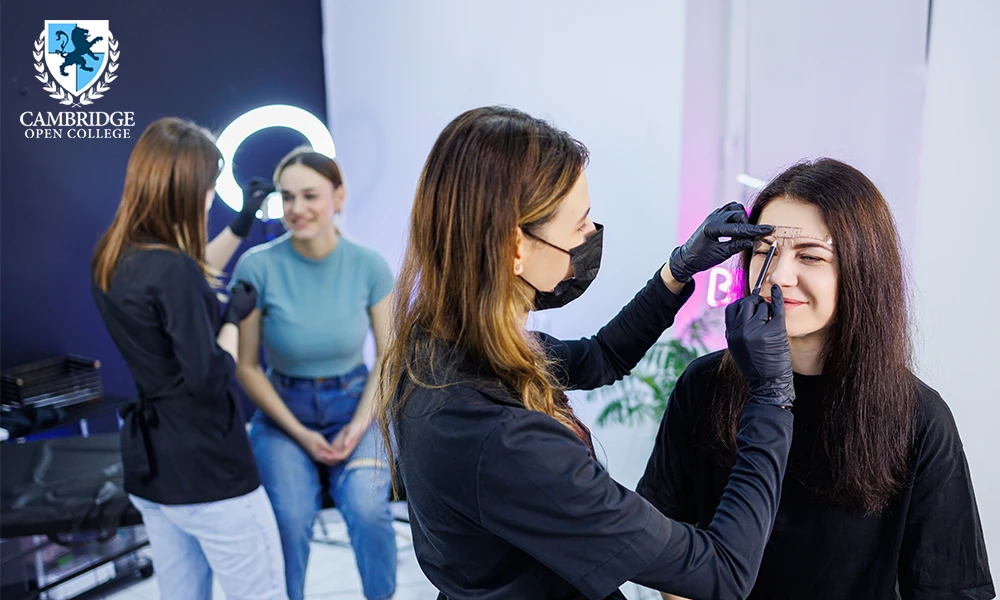
Microblading and semi-permanent makeup courses also offer excellent earning potential. These treatments provide long-lasting results that clients value highly, allowing practitioners to charge accordingly. A skilled microblading artist can earn substantial income from relatively few appointments each week, especially once they’ve built a reputation for quality work.

Online Beauty Courses vs Classroom Training

The growth of online beauty courses has transformed access to professional training. Distance learning allows you to study theory at your own pace, fitting education around work and family commitments. This flexibility particularly benefits those who can’t easily travel to training centres or need to maintain income whilst qualifying.

Online courses typically deliver theoretical content through video tutorials, written materials, and online assessments. You can revisit complex topics as many times as needed, learning at a speed that suits you. This approach works especially well for subjects like anatomy, health and safety, and client consultation skills.

Accredited Beauty Training: Why It Matters

Working in the beauty industry requires professional insurance, and insurers typically insist on accredited qualifications. Focus Awards accreditation is recognised across the beauty sector, giving employers and clients confidence in your training standards. Without proper accreditation, you might struggle to secure insurance or employment in reputable establishments.

Accredited training ensures the course curriculum meets industry standards and prepares you thoroughly for professional practice. Awarding bodies regularly review course content to keep it current with industry developments and best practices. This means your qualification remains relevant and valuable throughout your career.

Starting Your Career as a Beauty Therapist

The path from newly qualified to established beauty therapist involves gaining practical experience and building confidence in your skills. Many therapists begin by working in busy salons where they can practice various treatments daily. This environment accelerates your learning as you encounter different clients and treatment scenarios.

Working in an established salon provides mentorship opportunities too. More experienced therapists can offer guidance, share techniques, and help you develop your professional approach. The structure of salon employment removes concerns about finding clients or managing business administration whilst you’re still building confidence.

Choosing the Right Beauty Training Provider

The quality of your training significantly impacts your future success as a beauty therapist. When researching beauty courses, look beyond price to consider what’s included in the programme. Comprehensive course materials, responsive tutor support, and adequate practical training all contribute to valuable education.

Check that course providers offer accredited qualifications from recognised awarding bodies. Ask about pass rates and whether they provide support if you need to retake assessments. Understanding exactly what you’re paying for helps you make informed comparisons between different training options.

How to Get Started with Beauty Courses

Taking the first step towards a beauty career begins with honest assessment of your goals and circumstances. Think about which aspects of beauty work appeal to you most. Are you drawn to the artistic elements of makeup and nail design? Do you enjoy the therapeutic aspects of massage and skincare? Understanding your interests helps you choose appropriate training.

Consider your available time and budget realistically. Course duration varies significantly between qualifications. Level 2 beauty therapy courses typically take several months to complete when studying part-time, whilst specialist short courses might be completed in weeks. Match your course choice to the time you can genuinely commit to studying and practicing.

Frequently Asked Questions

What qualifications do I need to start beauty courses?

For Level 2 beauty therapy courses, you typically don’t need any formal qualifications to begin. Most course providers simply require you to be at least 16 years old and have genuine enthusiasm for the beauty industry.

How long do beauty courses take to complete?

Course duration varies depending on the level and whether you’re studying full-time or part-time. Level 2 beauty therapy courses typically take 6-9 months when studied part-time alongside work. Intensive full-time programmes might be completed in 3-4 months.

Can I study beauty courses online?

Yes, many beauty courses are now available through online learning platforms. Online beauty courses deliver theoretical content through video lessons, written materials, and online assessments that you complete at your own pace.

What’s the difference between Level 2 and Level 3 beauty therapy?

Level 2 beauty therapy provides foundational training in essential treatments like facials, manicures, pedicures, waxing, and makeup application. It’s designed for beginners with no previous experience.

Do I need insurance to work as a beauty therapist?

Yes, professional insurance is essential for anyone providing beauty treatments. Public liability insurance protects you if a client is injured in your premises or by your equipment.

Which beauty treatments are most in demand?

Nail services, particularly gel polish and gel extensions, consistently remain highly popular across the UK. Lash treatments including extensions and lash lifts are also in high demand. Advanced skincare treatments like chemical peels and micro needling attract clients seeking anti-ageing solutions.

Can I work from home after completing beauty courses?

Many beauty therapists successfully operate from home-based salons after qualifying. You’ll need to ensure your home meets local council regulations for business use, which typically includes appropriate insurance, health and safety standards, and sometimes planning permission.

HLTA Home Study Courses: Your Path to Becoming a Higher Level Teaching Assistant

Are you working as a teaching assistant and ready to take the next step in your career? HLTA home study courses offer a flexible and practical way to gain the qualifications you need whilst continuing to work in your current role. With the demand for skilled higher level teaching assistants growing across UK schools, now is the perfect time to invest in your professional development.

This comprehensive guide will walk you through everything you need to know about HLTA home study courses, from entry requirements and course content to career benefits and how to choose the right programme for you. Whether you’re looking for an hlta course online or want to understand what qualifications you’ll need, we’ve got you covered.

What is a HLTA Home Study Course?

A HLTA home study course is a flexible online training programme that prepares teaching assistants to achieve Higher Level Teaching Assistant status. The qualification is officially known as the Level 4 Certificate for Higher Level Teaching Assistant, and it’s recognised across England, Wales, and Northern Ireland.

Most HLTA home study courses are accredited by Focus Awards, which ensures the qualification meets national standards. The Focus Awards Level 4 Certificate demonstrates that you’ve developed the skills and knowledge needed to take on greater responsibilities in the classroom, including planning and delivering learning activities under the direction of a teacher.

Unlike traditional classroom-based training, a higher level teaching assistant course delivered through home study allows you to complete your learning around your existing work and family commitments. You’ll access course materials online, submit assignments electronically, and receive support from experienced tutors without needing to attend physical classes.

Why Choose Online HLTA Home Study Courses?
Why Choose Online HLTA Home Study Courses

The flexibility of online learning has made HLTA home study courses increasingly popular among teaching assistants. When you study at your own pace, you can fit your coursework around school terms, childcare arrangements, and other personal responsibilities.

Most teaching assistants who choose home study continue working full-time whilst completing their qualification. This means you can immediately apply what you’re learning in your daily role, making the course content more relevant and easier to understand. Your workplace becomes your learning environment, which is particularly valuable for the practical elements of the course.

Access to online tutors is another significant benefit. Your assigned tutor will provide feedback on your assignments, answer questions, and guide you through challenging topics. Many learners find this one-to-one support more valuable than large classroom settings where individual attention can be limited.

Cost is another consideration. Online courses often have lower fees than classroom-based alternatives because there are no venue costs or travel expenses. This makes professional development more accessible to teaching assistants at all stages of their careers.

Entry Requirements for HLTA Courses

Before enrolling in HLTA home study courses, you’ll need to meet certain entry requirements. These ensure you have the foundation knowledge and experience to succeed in the Level 4 qualification.

You must hold a minimum of Level 2 qualifications in both literacy and numeracy. These are typically GCSEs at grade C/4 or above in English and Maths, though equivalent qualifications are also accepted. If you don’t currently hold these qualifications, you may need to complete them before starting your HLTA course.

Experience working with children in an educational setting is essential. Most course providers, including Cambridge Open College, require learners to be employed as teaching assistants or in a similar role where they regularly support teaching and learning. This ensures you can complete the practical elements of the course and gather the evidence needed for assessment.

Some teaching assistants will have already completed a Level 3 teaching assistant qualification before progressing to Level 4. Whilst this isn’t always mandatory, having Level 3 can provide a strong foundation for the higher level teaching assistant course content.

What You’ll Learn in a HLTA Course

The course content for HLTA home study courses is based on the national HLTA standards, which outline the professional knowledge, understanding, and skills required for the role. You’ll develop expertise in supporting teaching and learning across different subjects and age groups.

Key areas covered include planning and preparing learning activities, assessing pupil progress, managing behaviour, and working effectively with teachers and other professionals. You’ll learn how to adapt your approach for pupils with different needs and abilities, including those with special educational needs and disabilities.

The Level 4 HLTA course also focuses on safeguarding, understanding child development, and promoting positive relationships in the classroom. You’ll explore how literacy and numeracy skills underpin learning across the curriculum and how you can support pupils in developing these essential competencies.

Assessment methods typically include written assignments where you demonstrate your understanding of theory, along with practical observations in your workplace. Your online tutor will guide you through each assessment, explaining what’s expected and providing feedback to help you improve.

How to Choose the Best HLTA Home Study Course

With several providers offering teaching assistant courses at Level 4, choosing the best HLTA home study course requires careful consideration. Start by checking that the course is accredited by a recognised awarding body such as Focus Awards. This ensures your qualification will be accepted by schools and local authorities.

Look at what’s included in the course materials. Quality providers offer comprehensive resources including detailed course notes, example assignments, and additional reading materials. You should have access to your course content online whenever you need it, allowing you to study at times that suit you.

Tutor support is crucial for success. Ask about how quickly tutors respond to queries, how feedback is provided on assignments, and whether you’ll have a dedicated tutor throughout your studies. Good communication with your tutor can make the difference between struggling and thriving on your course.

Consider the course fees and what payment options are available. Whilst HLTA home study courses require investment, many providers offer payment plans to spread the cost. Check whether your employer might contribute towards your training, as many schools support staff development for teaching assistants who wish to progress.

Student reviews and success rates can provide insight into course quality. Look for testimonials from experienced teaching assistants who have completed the course and achieved their HLTA qualification.

Free vs Paid HLTA Courses

You may have seen references to hlta home study courses online free or free hlta course options. It’s important to understand what these actually offer compared to paid, certificated programmes.

Some websites provide free information and resources about HLTA standards and the role of higher level teaching assistants. These can be useful for learning about the profession, but they don’t provide a recognised qualification. You won’t receive the Level 4 Certificate for Higher Level Teaching Assistant through free resources alone.

The Open University and some other institutions occasionally offer free short courses related to education and teaching assistance. However, these are typically introductory courses rather than the full HLTA qualification. Whilst they can support your professional development, they won’t give you HLTA status.

Investing in a properly accredited HLTA course online with certificate is essential if you want to progress your career and potentially increase your salary. The qualification demonstrates to employers that you’ve met national standards and have the competence to work at a higher level.

Think of the course fees as an investment in your future earning potential. Higher level teaching assistants typically earn more than standard teaching assistants, so the qualification can pay for itself over time through increased salary.

How Long Does a HLTA Course Take?

One of the most common questions about HLTA home study courses is about completion time. The answer varies depending on how much time you can dedicate to your studies each week.

Most teaching assistants complete their Level 4 HLTA course within 9 to 12 months when studying part-time. This assumes you’re spending approximately 4-6 hours per week on coursework, including reading materials, completing assignments, and preparing for assessments.

The beauty of home study is that you truly can study at your own pace. If you have more time available during school holidays, you might progress more quickly during those periods and slow down during busy term times. Flexible online learning adapts to your schedule rather than forcing you to adapt to fixed class times.

Some factors can affect how long it takes to complete the course. If you’re confident with academic writing and familiar with educational theory from previous qualifications, you may find assignments easier to complete. Your workplace support matters too – teaching assistants whose schools actively support their HLTA preparation often progress more smoothly.

Remember that the course isn’t just about getting through assignments quickly. Taking time to really understand the course content and reflect on your practice will make you a better higher level teaching assistant in the long run.

Career Benefits of HLTA Qualification

Achieving your HLTA qualification opens up new opportunities in your teaching assistant career. Many schools specifically look for qualified higher level teaching assistants when recruiting for senior support staff positions.

The higher level teaching assistant role comes with increased responsibilities and, typically, higher pay. Whilst salaries vary by region and school, HLTA-qualified staff often earn £2,000-£5,000 more per year than unqualified teaching assistants. Over the course of your career, this represents a significant return on your course investment.

Beyond salary, HLTA status brings greater job satisfaction for many teaching assistants. You’ll have more autonomy in the classroom, take on leadership responsibilities, and play a more active role in pupils’ learning. Some higher level teaching assistants cover classes during teacher absences, plan and deliver interventions, or mentor other support staff.

The qualification also provides a foundation if you’re considering becoming a teacher in the future. Whilst HLTA status alone doesn’t qualify you to teach, it demonstrates your commitment to education and gives you valuable experience that strengthens teaching training applications.

Getting Started with Your HLTA Home Study Course

Ready to begin your journey towards becoming a higher level teaching assistant? Starting your HLTA training course is straightforward when you know what to expect.

First, ensure you meet the entry requirements we discussed earlier. If you’re missing any qualifications, speak to course advisors about completing these first. Cambridge Open College can provide guidance on the best route for your individual circumstances.

When you enrol in the Level 4 Certificate for Higher Level Teaching Assistant, you’ll receive access to your course materials and be assigned an online tutor. Take time to familiarise yourself with how the course works, including how to submit assignments and contact your tutor with questions.

Speak with your school about your HLTA preparation. Your headteacher or line manager needs to support your studies by allowing you opportunities to demonstrate the competencies required. Some schools provide dedicated time for HLTA candidates to work on their assignments.

Set up a realistic study schedule that fits around your other commitments. Consistency matters more than long study sessions studying for an hour three times per week is often more effective than cramming for three hours once a week.

Join online communities where other teaching assistants share their experiences of studying for HLTA. Learning from others who are on the same journey can provide motivation and practical tips for success.

Frequently Asked Questions

Can you do a HLTA course online?

Yes, you can complete a HLTA course entirely online through home study. Online HLTA home study courses provide all the training and assessment you need to gain your Level 4 Certificate for Higher Level Teaching Assistant without attending classroom sessions.

What qualifications do I need to do a HLTA course?

You need a minimum of Level 2 in literacy and numeracy and experience working as a teaching assistant or in a similar role supporting children’s learning in an educational setting.

Which is the best HLTA course?

The best HLTA course is one that’s accredited by Focus Awards or another recognised awarding body, offers comprehensive tutor support, provides flexible online learning, and fits your budget. Cambridge Open College offers Focus Awards-accredited courses with dedicated tutor support throughout your studies.

How long does it take to complete a HLTA course?

Most teaching assistants complete their HLTA qualification in 9-12 months when studying part-time alongside work. The exact duration depends on how much time you can dedicate to your studies each week and your pace of learning.

Do I need to be working in a school to do a HLTA course?

Yes, you need to be employed in a school or educational setting where you’re working as a teaching assistant. This is essential because you’ll need to demonstrate your competencies in a real classroom environment as part of the course assessment.

Will my school support me through the HLTA course?

Many schools actively support teaching assistants who want to gain HLTA qualification. Speak with your headteacher about your plans  they may provide time for observations, help with evidence gathering, or even contribute towards course fees.