


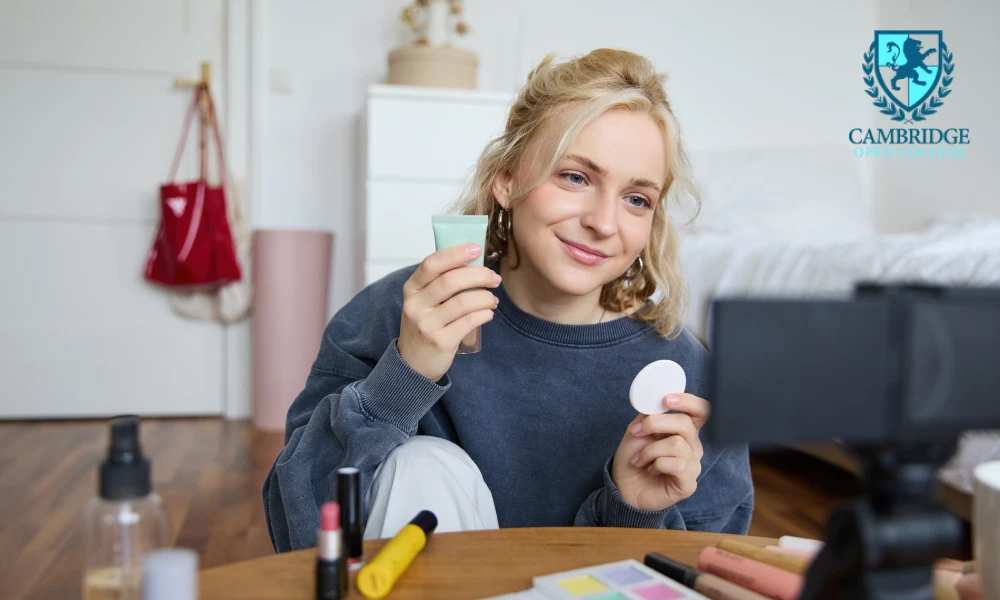
What Is an Online Makeup Course in the UK?
An online makeup course in the UK is an accredited distance learning qualification that teaches you the professional techniques, product knowledge, skin science, and business skills needed to work as a qualified makeup artist whether in bridal, fashion, editorial, TV and film, theatrical, or freelance settings.
Delivered entirely online, these courses require no classroom attendance making them ideal for beauty enthusiasts, aspiring makeup artists, career changers, and social media creators who want a recognised qualification without attending a college or academy.
The UK makeup artistry industry is one of the most dynamic sectors within beauty and creative arts driven by the growth of social media, the creator economy, the wedding industry, and the film and television production sector. A formal makeup qualification gives you the professional credibility, technical foundation, and insurance eligibility needed to charge for your skills, attract paying clients, and build a sustainable career as a makeup artist.
This guide covers exactly what an online makeup course involves, who it is for, what qualifications are available, what careers it supports, and how to enrol at Cambridge Open College.
Is There an Accredited Online Makeup Course You Can Study in the UK?
Yes, and an accredited online makeup qualification is more comprehensive and professionally credible than many people expect.
Cambridge Open College offers the Make-Up Application Level 3 qualification by distance learning a comprehensive, accredited programme covering the full range of makeup techniques, skin science, colour theory, and professional practice needed to work as a qualified makeup artist in the UK. The qualification is nationally recognised and awarded through an accredited awarding body, giving you the professional credentials needed to obtain public liability insurance, work commercially as a makeup artist, and build a client base in any makeup specialisation.
All Cambridge Open College qualifications are nationally recognised and accredited, giving you the confidence that your certificate carries genuine credibility with beauty employers, clients, and professional insurance providers.
What Does an Online Makeup Course Cover?
A well-structured online makeup course at Level 3 covers both the technical skills and the professional knowledge required to work as a qualified makeup artist across multiple settings and client types. Here is a detailed breakdown of the core content areas:
Skin Science and Anatomy for Makeup Artists
- The structure of the skin: epidermis, dermis, and hypodermis and their relevance to makeup application
- Skin types: normal, dry, oily, combination, and sensitive identification and product selection
- Common skin conditions and disorders: rosacea, acne, hyperpigmentation, and eczema adaptation of technique and contraindications
- The ageing process and its effect on skin texture, tone, and makeup application
- Fitzpatrick skin tone scale: understanding undertones and selecting appropriate foundation shades
- Skincare for makeup: preparation, primers, moisturisers, and SPF in professional contexts
- Allergic reactions and patch testing: professional responsibility and client safety
- GDPR and client consultation records in a makeup setting
Colour Theory and Makeup Principles
- The colour wheel: primary, secondary, and tertiary colours and their application in makeup
- Warm and cool undertones: identification and how they inform product choice
- Colour correction techniques: neutralising discolouration with correcting concealers
- Contouring and highlighting: using light and shadow to sculpt facial features
- Contrast and harmony in makeup: creating cohesive looks across eyes, cheeks, and lips
- Seasonal colour analysis and its application in makeup consultation
- Translating colour theory into editorial, bridal, and fashion makeup contexts
Skin Preparation and Base Makeup Application
- Cleansing, toning, and moisturising as the foundation of professional makeup application
- Primers: types, application methods, and choosing the right primer for skin type and finish
- Foundation application: brush, sponge, and airbrush techniques for different coverage levels
- Concealer application: under-eye, blemish, and spot correction techniques
- Setting powder: pressed and loose powder application for longevity and finish
- Baking and setting techniques for long-wear makeup on different skin tones
- Creating a flawless base: skin-like, full coverage, and dewy finish techniques
- Contouring and strobing: product selection and blending techniques
Eye Makeup Techniques
- Eye shapes: identifying almond, hooded, monolid, round, and deep-set eyes and adapting technique
- Eyeshadow application: cut crease, halo, gradient, and graphic liner techniques
- Blending techniques: achieving seamless colour transitions with brushes and sponges
- Eyeliner application: pencil, gel, and liquid liner for different eye shapes and looks
- Mascara application: techniques for volume, length, and curl
- False lash application: individual lashes, strip lashes, and professional adhesive techniques
- Brow shaping and definition: pencil, pomade, and soap brow techniques
- Editorial and avant-garde eye looks: graphic liner, bold colour, and experimental design
Cheek, Lip, and Finishing Techniques
- Blush application: cream, powder, and liquid blush for different skin types and looks
- Bronzer and highlighter placement for natural and sculpted finishes
- Lip liner application: overdrawing, defining, and ombre lip techniques
- Lipstick application: bullet, brush, and precise liner techniques for different lip shapes
- Lip gloss, stain, and tint application
- Finishing sprays: setting sprays for longevity, hydration, and photography-ready finish
- Completing the full face: balancing all elements for a cohesive, professional result
Specialist Makeup Applications
- Bridal makeup: consultation, trial process, long-wear techniques, and photography considerations
- Editorial and fashion makeup: working with art directors, mood boards, and creative briefs
- TV and film makeup: camera-ready techniques, continuity requirements, and HD-friendly products
- Theatrical and stage makeup: exaggerated techniques for distance visibility and stage lighting
- Special occasion makeup: prom, black tie, and event makeup consultation and application
- Special effects (SFX) makeup introduction: ageing, injury simulation, and character makeup basics
- Mature skin makeup: adapting technique and product selection for clients over 50
- Inclusive makeup: adapting consultation and technique for diverse skin tones, gender identities, and abilities
Makeup Tools, Products, and Professional Kit
- Essential makeup brushes: types, uses, and care
- Makeup sponges and applicators: beauty blenders, sponge applicators, and silicone tools
- Building a professional makeup kit: essential products, budget management, and kit organisation
- Professional product brands vs consumer brands: performance, longevity, and cost considerations
- Hygiene and sanitation in professional makeup: brush cleaning, product decanting, and infection control
- Setting up a mobile makeup station: organisation, lighting, and professional presentation
- Product knowledge: understanding formulations, finishes, and ingredients
Professional Practice and Business Skills for Makeup Artists
- Setting up as a freelance makeup artist: sole trader registration and HMRC obligations
- Professional insurance for makeup artists: public liability and products liability
- Setting your makeup artist rates: bridal packages, hourly rates, and travel fees
- Client consultation: intake forms, allergy testing, and brief development
- Building a makeup portfolio: photography, lighting, and social media presentation
- Instagram, TikTok, and Pinterest for makeup artists: content strategy and brand building
- Networking in the makeup industry: bridal fairs, fashion weeks, and industry events
- Working with photographers, wedding planners, and fashion stylists
- Managing bookings, deposits, contracts, and cancellation policies
- Expanding your business: hiring assistants, teaching makeup classes, and creating online courses
Who Is an Online Makeup Course For?
The Cambridge Open College Make-Up Application Level 3 is designed for a wide range of learners at different stages of their makeup artistry journey:
Beauty enthusiasts with a passion for makeup who want to turn their creative interest into a professional qualification giving them the credentials to charge for their skills, attract paying clients, and build a recognised makeup artistry business. If you are exploring the full beauty qualifications landscape, our beauty therapy courses online UK page gives a comprehensive overview of all options.
Career changers from photography, fashion, retail, customer service, or any other creative sector who want to enter the makeup artistry industry with a formal, nationally recognised qualification. The flexibility of online study means you can retrain while maintaining your current income. Explore our career development courses online UK for context on how makeup artistry fits within broader creative career pathways.
Social media beauty creators and influencers who are already producing makeup content on Instagram, YouTube, or TikTok and want formal professional credentials to complement their personal brand, attract brand partnerships, and position themselves as qualified makeup artists rather than hobbyists.
Existing beauty therapists who hold Level 2 or Level 3 beauty therapy qualifications and want to add professional makeup artistry to their service menu significantly increasing their client appeal and earning potential. If you already hold beauty credentials, read our guide on Level 3 beauty therapy courses online UK to understand how makeup qualifications sit alongside your existing training.
Brides-to-be and wedding industry professionals who want to develop professional-level makeup skills either for their own wedding or to build a bridal makeup artistry business in the UK’s £14 billion wedding industry.
Nail technicians and beauty specialists who have already qualified in nail care and want to expand their service offering into makeup building a comprehensive beauty practitioner credential package. For context on how makeup complements nail qualifications, explore our nail technician course online UK guide.
As a college specialising in flexible online courses for working adults in the UK, Cambridge Open College builds every programme around the reality of creative professional lives no fixed lecture times, no classroom attendance, and no inflexible submission deadlines.
Do You Need Prior Experience to Study an Online Makeup Course?
No, there are no formal entry requirements for the Make-Up Application Level 3.
The qualification is open to anyone aged 16 or over with a genuine passion for makeup artistry and a reasonable standard of written English. You do not need prior beauty qualifications, salon experience, or any formal training in makeup to enrol.
Many of Cambridge Open College’s most successful makeup learners begin with zero professional experience developing their technical skills alongside their theoretical knowledge, building a portfolio of makeup looks that demonstrates their development throughout the course.
If you want to explore entry-level beauty options before committing to Level 3, our Level 2 beauty therapy course online UK provides a foundational alternative. For those wanting to understand the full range of beauty home study options, our home study beauty courses UK guide covers all the options available.
How Does Studying an Online Makeup Course Work?
Makeup artistry has both a knowledge component and a practical technique component. Cambridge Open College’s online delivery model covers the theoretical and professional knowledge through structured written assignments while practical development is supported through detailed technique guides, product knowledge resources, and portfolio-building tasks that you complete using your own makeup kit and models.
Step 1 – Enrol and start immediately. No term dates, waiting lists, or intake windows. Once enrolled on the Make-Up Application Level 3, you gain instant access to all course materials through your online learning portal. This is flexible home study you can start anytime.
Step 2 – Work through your modules at your own pace. Course content is structured into modules covering each makeup discipline in sequence. You progress at a speed that suits your schedule a few hours per week around work or family commitments, or more intensive study on days off. This is true self-paced online learning.
Step 3 – Complete written assignments and portfolio tasks. Assessment combines written assignments covering skin science, colour theory, and professional practice with portfolio tasks evidencing your makeup technique submitted as photographs with written reflections on your application process. There are no timed examinations.
Step 4 – Receive personalised feedback from your beauty tutor. Your dedicated makeup and beauty tutor reviews every submission and returns detailed written feedback on both your knowledge and your practical technique development. Expert tutor support is always available throughout your studies. Find out more about accredited distance learning with dedicated tutor support at Cambridge Open College.
Step 5 – Receive your accredited qualification. On successful completion, your Make-Up Application Level 3 certificate is issued by the awarding body and delivered to you. It is nationally recognised, professionally credible, and provides the foundation for professional insurance eligibility and commercial makeup artistry work.
For a broader comparison of online versus classroom study for creative courses, read our guide on distance learning vs classroom learning benefits.
How Long Does an Online Makeup Course Take in the UK?
| Weekly Study Time | Estimated Completion |
|---|---|
| 3–4 hours per week | 8–12 months |
| 5–7 hours per week | 6–9 months |
| 8–10 hours per week | 4–6 months |
| 12+ hours per week | 3–4 months |
Most working adult learners at Cambridge Open College complete the Make-Up Application Level 3 in 6–9 months, studying evenings and weekends. Because we impose no maximum study period and no hidden deadlines, you progress at whatever pace suits your creative development and current commitments.
What Can You Do After an Online Makeup Course in the UK?
Freelance Makeup Artist The most popular career outcome working independently with clients for weddings, special occasions, photoshoots, fashion, and events. Freelance makeup artists in the UK typically charge £80–£300+ per booking, with in-demand bridal makeup artists earning £30,000–£60,000+ annually.
Bridal Makeup Artist Specialising in wedding day makeup one of the most lucrative specialisations in UK makeup artistry. Bridal makeup artists typically charge £150–£400 for wedding day makeup, with packages including trials, bridesmaids, and mother of the bride generating significant additional income.
Editorial and Fashion Makeup Artist Working with photographers, fashion designers, and creative directors on editorial shoots, lookbooks, and fashion campaigns. This route typically requires portfolio building, assisting established artists, and agency representation.
TV, Film, and Media Makeup Artist Working on television productions, film sets, music videos, and commercial productions. This is a highly sought-after specialisation typically entered via assisting and networking within the production industry.
Theatrical and Stage Makeup Artist Working with theatre companies, opera productions, and live performance venues on character makeup, prosthetics awareness, and stage-specific technique.
Beauty Counter Makeup Artist Working for luxury beauty brands MAC, Charlotte Tilbury, Chanel Beauty, NARS demonstrating products and providing makeovers in department store and beauty retailer settings. A Level 3 makeup qualification is frequently listed as a preference or requirement in beauty counter artist job advertisements.
Makeup Educator and Online Creator Teaching makeup skills through in-person workshops, YouTube tutorials, online courses, or brand education roles. A formal qualification adds credibility to content creation and education work, supporting brand partnerships and professional recognition.
For personalised career guidance, visit the Cambridge Open College Career Advice section and explore accredited online courses for career progression.
How Does the Makeup Course Fit Within the Beauty Qualifications Ladder?
Cambridge Open College offers a comprehensive suite of beauty qualifications at every level:
| Qualification | Level | Best For |
|---|---|---|
| Level 2 Beauty Therapy Course Online UK | Level 2 | Beauty foundation broad entry-level |
| Nail Art | Endorsed | Creative nail design specialist |
| Manicure and Pedicure Level 2 | Level 2 | Nail care foundation |
| Make-Up Application Level 3 | Level 3 | Professional makeup artistry |
| Level 3 Beauty Therapy Course | Level 3 | Advanced beauty therapy and salon management |
| Indian Head Massage | Endorsed | Complementary therapy add-on |
| Massage Level 4 | Level 4 | Advanced massage specialism |
Explore the full beauty therapy and makeup courses online UK range and the online beauty courses you can do from home guide to plan your complete beauty career pathway.
How Much Does an Online Makeup Course Cost in the UK?
Cambridge Open College offers the Make-Up Application Level 3 at a single, transparent price covering everything: all course materials, tutor support, assignment marking, and certification. There are no hidden registration, exam, or material fees.
Flexible, interest-free payment plans are available, allowing you to spread the cost into manageable monthly instalments. Visit the Course Fees page for current pricing.
Consider the course cost against the earning potential: a busy freelance makeup artist completing 10 wedding bookings per month at an average of £200 per booking generates £2,000 per month making the qualification one of the clearest return-on-investment professional credentials available by distance learning.