Level 3 Massage Therapy Courses Online – How to Qualify as a Massage
A Level 3 massage therapy qualification is the recognised professional standard for working as a massage therapist in the UK. Whether you want to build a career in sports massage, holistic therapy, or full body massage, Level 3 is the qualification that employers, insurers, and professional associations look for before they will take you on or cover you.
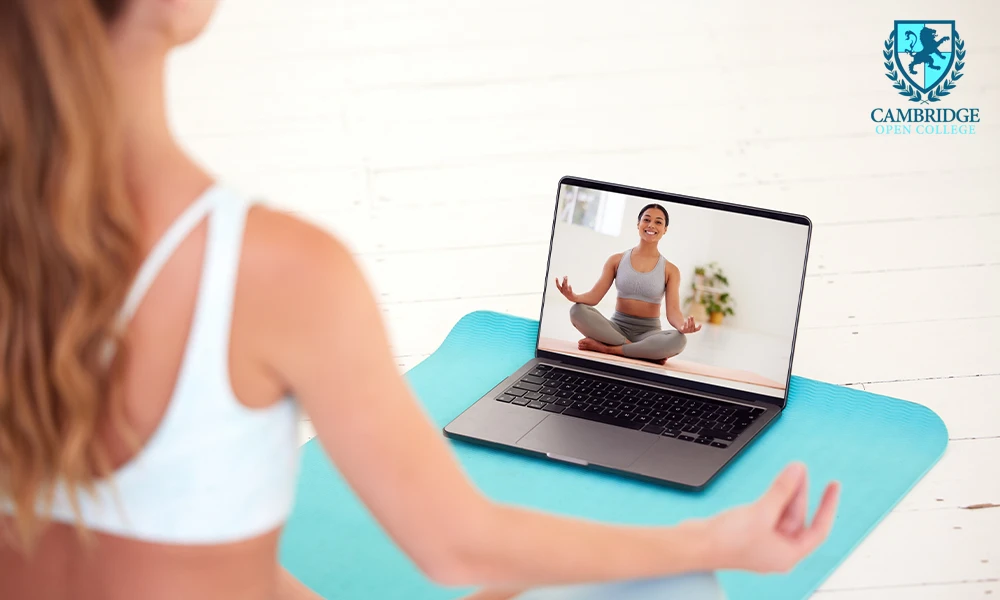
The good news is that a significant part of a Level 3 massage therapy course can be studied online in the UK. You do not need to attend a traditional college or beauty academy. Home study providers allow you to complete all the theory from home and submit practical assessments by video — making it a realistic option for people who cannot commit to fixed course dates or an intensive course schedule.
This article explains what a Level 3 massage therapy course covers, who it is for, what qualifications are available, how online study works, how long it takes, and whether free or funded options exist.
What Does a Level 3 Massage Therapy Course Cover?
A Level 3 massage therapy course gives you the full theoretical and practical foundation you need to work as a qualified massage therapist. The course content typically covers anatomy and physiology, body systems, a range of massage techniques including Swedish massage, deep tissue massage, full body massage, hot stone massage, and Indian head massage, as well as client consultation, contraindications, aftercare advice, and safe and effective practice throughout.
Learners also study massage theory — understanding how and why different massage techniques work on the body — and how to build a professional massage practice or therapy business. The course is designed to give you both the knowledge and the practical skills to work confidently with clients across a range of settings.
A recognised Level 3 qualification such as the ITEC Level 3 Diploma in Massage Therapy or the ITEC Level 3 Diploma in Sports Massage is an Ofqual-regulated qualification on the Regulated Qualifications Framework (RQF). This makes it nationally recognised by employers, insurance providers, and professional associations across the UK — from sports clubs and health centres to spa and holistic therapy settings.
Who Is a Level 3 Massage Therapy Course For?
Level 3 massage therapy courses are designed to be accessible. Most providers do not require previous massage experience to begin, making them a genuine option for complete beginners as well as those with some existing massage experience who want a formal qualification.
These courses suit a wide range of learners:
- Complete beginners wanting to start a career as a professional massage therapist
- Beauty or holistic therapists who want to add massage qualifications to their existing skills
- Sports coaches or fitness professionals wanting to qualify as sports massage therapists
- People who want to set up their own mobile massage or therapy business
- Career changers looking for a flexible, hands-on profession they can build around other commitments
Bear in mind that even when studying online, learners will need a massage couch and access to a model for practical assessments. The theory elements — including anatomy and physiology, massage theory, and client consultation — can be completed entirely from home. Our career development courses online guide has more on how to choose the right course for a career change.
How Does Online Level 3 Massage Therapy Study Work?

Online study for a Level 3 massage therapy course works in two parts — theory and practical. The theory elements, which make up a large part of the course, are completed entirely online through a structured learning platform. After enrolment, you get instant access to all course materials, study at your own pace with no fixed timetable, and work through easy-to-follow modules with a dedicated tutor supporting you throughout.
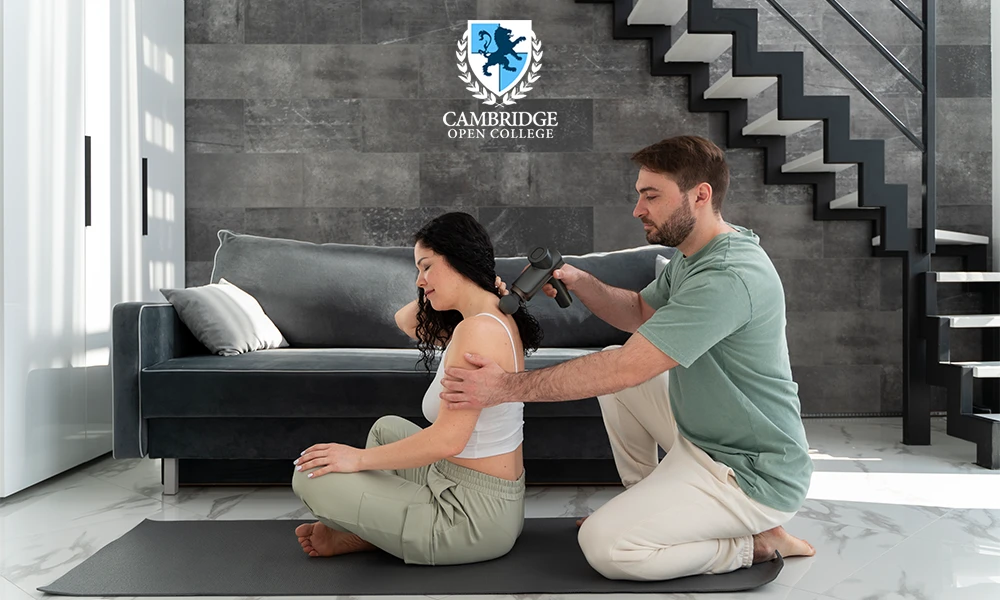
Practical elements — such as performing Swedish massage, sports massage techniques, deep tissue massage, and full body massage treatments — are assessed via video submission. You film your massage practice on a model at home and submit the recordings for tutor review. This means you can complete the full course without attending a campus or fixed course dates.
All course materials are included in the course price with no hidden costs. Many providers offer the option to pay in full or spread the cost across monthly instalments. For more on how home study platforms work in practice, our online distance learning courses guide explains exactly what to expect before you commit. You can also read about our body massage course for a practical example of how online massage training is delivered.
What Qualification Do You Receive?
There are several qualification routes available at Level 3 for massage therapy, depending on the awarding body and the type of provider you choose.
The ITEC Level 3 Diploma in Massage Therapy (RQF) is one of the most widely recognised massage qualifications in the UK. It is Ofqual-regulated, required by many professional associations for insurance and membership, and accepted by employers across sports, spa, and holistic therapy settings. The ITEC Level 3 Diploma in Sports Massage Therapy is the most recognised option specifically for sports massage therapists working in fitness and sports environments.
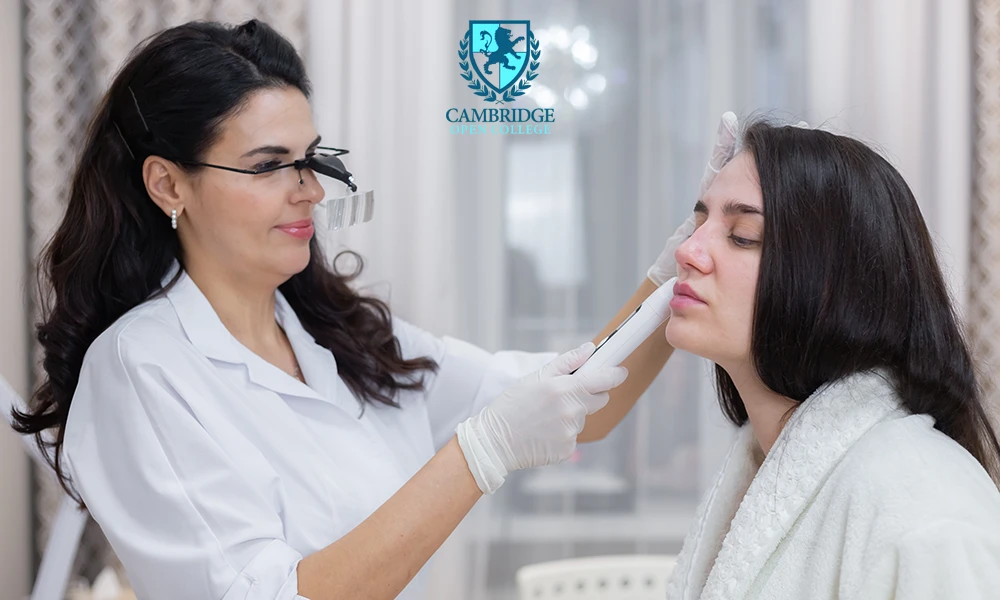
For those studying through home study providers, an endorsed qualification through Focus Awards or a similar scheme is widely accepted by employers in the massage and beauty industry and is a practical route for those who want flexible online study. On completing their Level 3 course, learners can apply to join professional bodies such as the Complementary and Natural Healthcare Council (CNHC) or the Federation of Holistic Therapists (FHT). Cambridge Open College’s Beauty Therapy Level 3 course is a broader option that includes massage techniques and body treatments alongside other professional qualifications. For more on what accredited qualifications look like, our online courses with accredited qualifications guide is worth reading before you choose a provider.
How Long Does a Level 3 Massage Course Take?
Course duration depends on the qualification type and how much time you commit to study each week. For online home study, most learners complete the theory elements of a Level 3 massage course in three to six months. A full Level 3 Diploma including practical assessment typically takes six to twelve months for part-time study — or faster with a more intensive course approach.
Short course options are also available for learners who want to add specific massage techniques — such as Indian head massage or hot stone massage — to an existing qualification without completing a full diploma course. Self-paced online study means there is no fixed end date — you work through the course at whatever speed suits your life. Our guide to adult learning online courses in the UK has helpful advice on managing flexible self-paced study alongside work and family commitments.
Frequently Asked Questions
Can you do a Level 3 massage therapy course online in the UK?
Yes — the theory elements of a Level 3 massage therapy course can be studied entirely online through an accredited UK provider. Practical assessments such as Swedish massage, deep tissue massage, and full body massage techniques are completed via video submission, so you can train from home with a model and a massage couch.
Are there free Level 3 massage therapy courses in the UK?
learners may be eligible for funded Level 3 qualifications through UK government schemes such as Free Courses for Jobs or Advanced Learner Loans, depending on age, existing qualifications, and employment status. Check your eligibility at our guide to free online courses with certificates from the UK government before you enrol.
What is the best Level 3 massage course for beginners in the UK?
For complete beginners, a body massage course or a Level 3 Beauty Therapy course that includes massage techniques is a practical starting point. For those wanting to specialise in sports massage, the ITEC Level 3 Diploma in Sports Massage Therapy or the Active IQ Level 3 Diploma in Sports Massage Therapy are the most widely recognised options in that field.
Do you need a qualification to practise massage therapy in the UK?
There is no legal requirement to hold a specific qualification, but most insurance providers, professional associations, and employers require at least a Level 3 qualification before they will work with you. Holding a recognised Level 3 massage therapy diploma also allows you to join professional bodies such as the Focus Awards, which significantly boosts client trust and professional credibility.
Cambridge Open College offers accredited online massage and beauty therapy courses — including our body massage course and Beauty Therapy Level 3 — that cover massage techniques, anatomy and physiology, massage theory, and professional practice, all studied from home at your own pace. You get instant access to all course materials after enrolment, dedicated tutor support throughout, and an accredited certificate on successful completion. Browse the full range of beauty and massage courses at Cambridge Open College and find the course that fits your career goals.